el-balad.com
Unusual Creatures Inhabit Titanic Wreck 3 , 800m Beneath Atlantic Ocean
el-balad.com · Feb 15, 2026 · Collected from GDELT
Summary
Published: 20260215T044500Z
Full Article
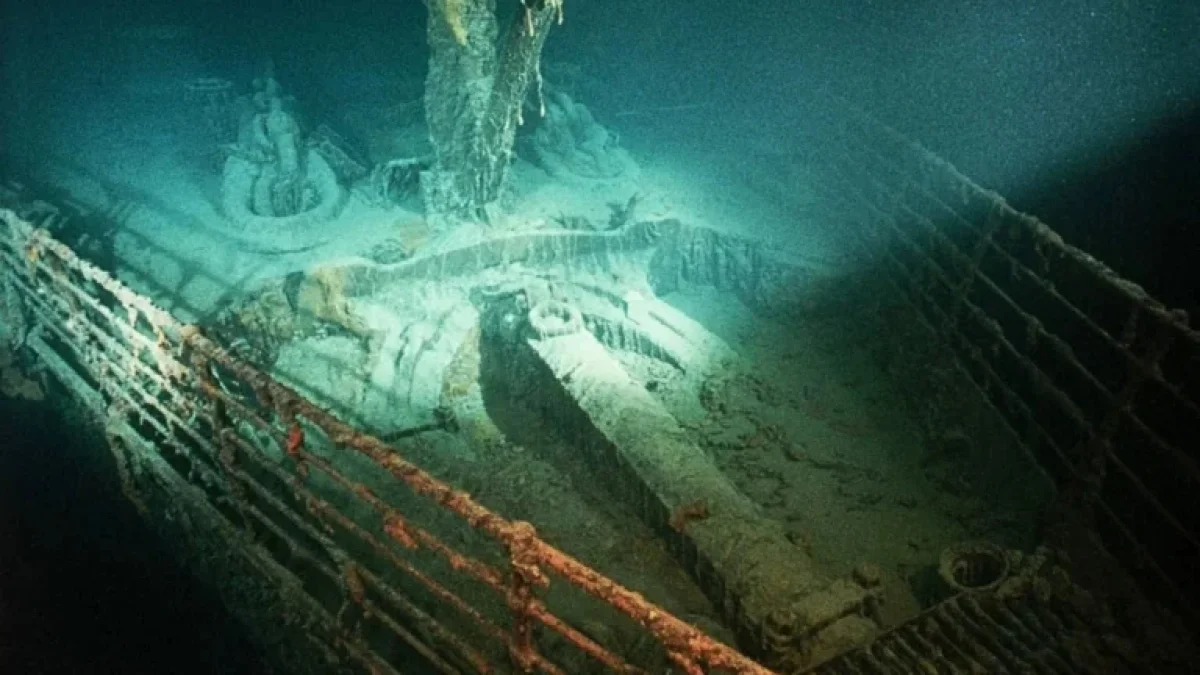
In an exploration blending history and marine science, recent findings from the RMS Titanic wreck site reveal a thriving ecosystem 3,800 metres beneath the Atlantic Ocean. This study, highlighting unusual creatures inhabiting the Titanic wreck, underscores the complex relationship between artificial structures and marine biodiversity. Ghost-white squat lobsters, eerie brittle stars, twisted bamboo corals, and large-eyed rattail fish populate this infamous site, merging the narratives of human tragedy with deep-sea resilience. Hidden Motivations Behind the Research This monumental study published in the journal Deep Sea Research Part I: Oceanographic Research Papers serves a dual purpose: it not only enhances our understanding of the Titanic’s ecological impact but also acts as a strategic tool in heritage management. By observing the biodiversity fostered by the Titanic’s artificial environment, marine scientists aim to protect similar underwater heritage sites globally. The researchers emphasize that as human activities, such as deep-sea mining and climate change, increasingly disrupt oceanic ecosystems, their findings could shape conservation strategies for both historical wrecks and natural habitats like the nearby seamount ridge. Anthropogenic and Natural Influences on Biodiversity The research team conducted extensive analysis using video footage from the ‘2022 Titanic Expedition’, involving 920 images from the wreck site and 169 from the uncharted seamount ridge. These efforts reveal vital insights into how artificial and natural materials influence the diversity and distribution of marine life. For instance, the discovery of higher concentrations of white squat lobsters at the wreck compared to the ridge underlines the Titanic’s role as an artificial reef that nurtures specific species. Stakeholder Before the Study After the Study Marine Scientists Limited data on the ecology of shipwrecks. Rich insights into how wrecks contribute to marine biodiversity. Heritage Managers Poor understanding of historical site conservation. Informed strategies for managing underwater heritage sites. Environmental Conservationists Sparse ecological data on deep-sea communities. Framework for strategies addressing human impacts and biodiversity protection. Changes Over Time: Analyzing Community Trends Longitudinal analysis reveals a seismic shift in the Titanic’s ecosystem over the past decades. Researchers documented an increase in cold-water coral colonies from 1986 to 2022, suggesting that the wreck site is not merely a place of decay but a dynamic environment supporting new life forms. Notably, the condition of coral colonies near the Titanic’s cabin windows has improved dramatically. This shift signals a complex interplay where the wreck serves as a sanctuary amidst environmental challenges. The Global Ripple Effect: Implications for Marine Conservation This study resonates across the US, UK, CA, and AU, highlighting the global nature of ocean conservation. As conversations around climate change intensify, the findings call attention to local ecosystems influenced by deeper oceanic shifts. In particular, nations engaged in deep-sea mining or those with a vested interest in underwater tourism could adopt enhanced protective measures informed by these insights. The need for proactive guidelines is more pressing as our oceans face escalating threats from human activities. Projected Outcomes: What’s Next for Deep-Sea Ecosystems? As the scientific community absorbs these findings from one of the world’s most studied wrecks, several critical developments await: Increased investment in marine biodiversity research will likely emerge, seeking to understand the impact of artificial structures on various ecosystems. Policy shifts may occur around heritage management, potentially leading to stricter regulations governing underwater explorations and conservation efforts globally. A rise in awareness and engagement from the public, driven by educational campaigns that link historical events with current ecological issues, could foster a culture of conservation. The Titanic, rather than merely a symbol of loss, now embodies a vital ecological story that extends far beyond its tragic history. Through this lens, we see the resilience of life in the depths and the potential for learning how to protect our waters for generations to come.
Share this story