el-balad.com
Clustered Story
Trump Backs Israeli Strikes on Iran Missile Program , Sources Reveal
el-balad.com · Feb 15, 2026 · Collected from GDELT
Summary
Published: 20260215T203000Z
Full Article
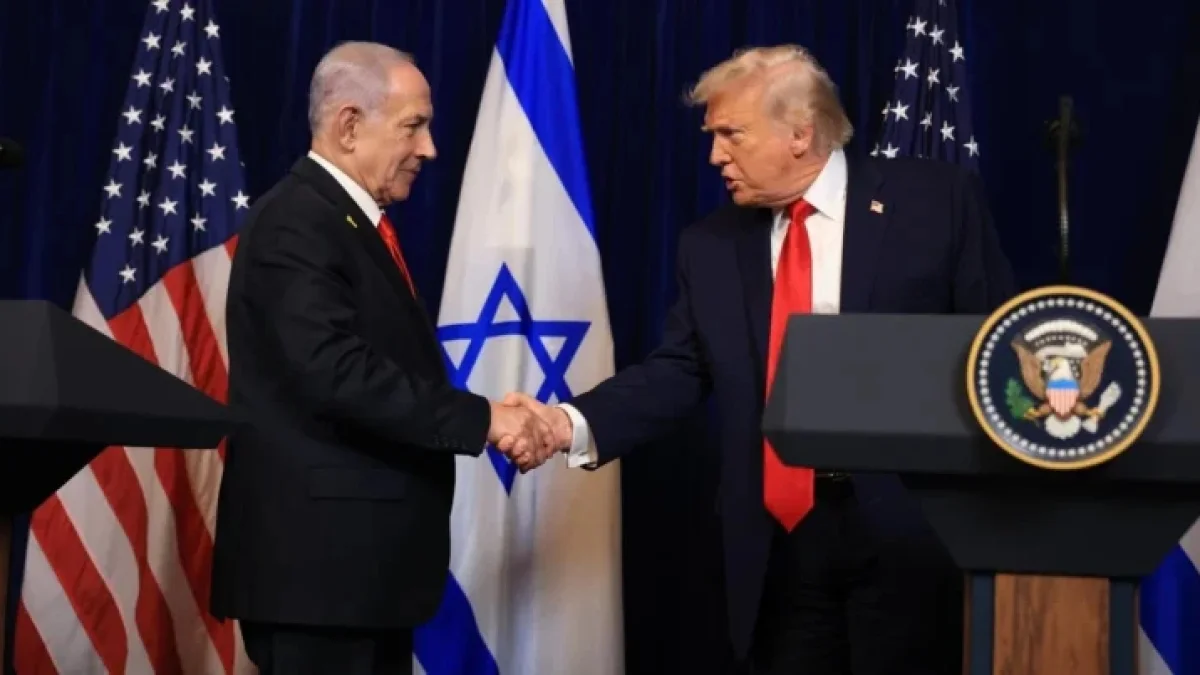
In a bold assertion of military diplomacy, President Trump recently reaffirmed his support for Israeli airstrikes targeting Iran’s ballistic missile program. This declaration, made during a meeting with Israeli Prime Minister Benjamin Netanyahu at Mar-a-Lago in December, underscores a pivotal moment in U.S.-Middle Eastern relations, especially as tensions rise over Iran’s nuclear ambitions. The reported internal discussions within the U.S. military and intelligence communities about actively assisting Israel reveal a complex web of strategic calculations underpinning this potential military action. Strategic Calculations: The Actors Involved This calculated approach reveals a deeper tension between the necessity for diplomatic solutions and the prevailing military mindset within the current U.S. administration. The Trump administration’s engagement in this fraught landscape pivots primarily on two objectives: compelling Iran to limit its missile capabilities and retaining influence over Middle Eastern geopolitics. The looming specter of a nuclear-armed Iran, combined with Netanyahu’s skepticism towards diplomacy, raises the stakes significantly. President Trump: Focused on leveraging military power as a negotiating tool, influencing potential talks with Iran. Benjamin Netanyahu: Demonstrating assertiveness against Iran while reinforcing Israeli military capabilities. U.S. Military and Intelligence Leaders: Strategizing support mechanisms for Israel, including aerial refueling—laying groundwork for potential collaboration in military action. Assessing Stakeholder Impact Stakeholder Before After Israel Limited military options; hesitant international support. Heightened military capabilities with U.S. backing; more assertive posture against Iran. Iran Tensions rising as nuclear negotiations progress. Increased military scrutiny and potential for strikes; diplomatic isolation reinforced. United States Ambiguous foreign policy stance; reliance on diplomacy. Reinforced military presence in the region; signaling readiness for conflict if diplomacy fails. Regional and Global Context The unfolding situation does not exist in isolation but is a crucial piece of the global geopolitical puzzle. The U.S. military’s decisions, particularly the redeployment of the USS Gerald R. Ford strike group to the Middle East, send ripples through regional stability and align closely with the broader geopolitical strategies of the Trump administration. With notable resistance from Jordan, Saudi Arabia, and the UAE regarding airspace use, the likelihood of operationalizing these strikes grows increasingly complex. Localized Effects: Echoes Across Markets This narrative resonates strongly across key international markets, particularly in the U.S., UK, Canada, and Australia, all of which maintain vested interests in Middle Eastern stability. As ongoing discussions and negotiations around Iran’s nuclear program persist, investors and policymakers alike will keenly monitor how military readiness intersects with diplomatic endeavors. The caution observed in stock markets often hinges on perceived risks from geopolitical conflicts, so the potential outbreak of hostilities could trigger significant market fluctuations. Projected Outcomes Looking ahead, several developments warrant close attention: Potential Israeli Airstrikes: Should diplomatic negotiations falter, Israel could proceed with military action, marking a significant escalation in the conflict. U.S.-Iran Negotiations: The outcome of the upcoming Geneva talks could influence future relations, either escalating tensions or paving the way for renewed diplomatic engagement. Shifts in Regional Alliances: As countries like Jordan and Saudi Arabia weigh the implications of U.S. support for Israel, shifts in regional alignments may emerge as polarizing national stances materialize. In sum, President Trump’s support for Israeli strikes on Iran’s ballistic missile program not only reflects military might but also the layered complexities of modern diplomacy. As regional tensions escalate, all eyes will remain on the unfolding dynamics of military preparedness and diplomatic engagement.
Share this story