newstatesman.com
Clustered Story
Reform is looking beatable
newstatesman.com · Feb 18, 2026 · Collected from GDELT
Summary
Published: 20260218T153000Z
Full Article
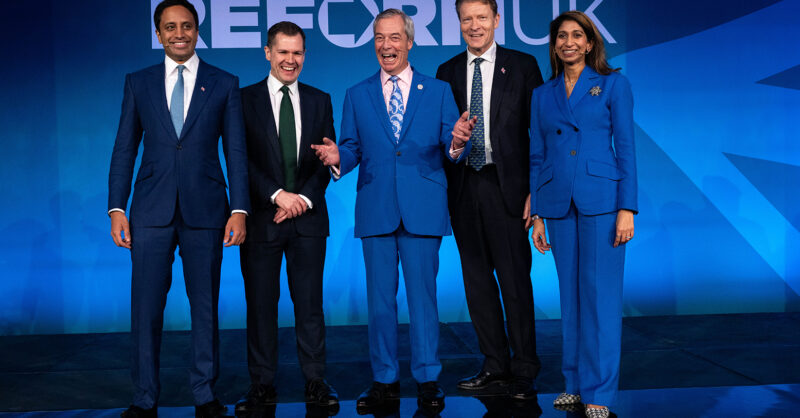
Photo by Thomas Krych/Anadolu via Getty Images A Reform victory should, from one perspective, be likelier than ever. Let’s recall some of the events of the last five months: the deputy prime minister resigned for underpaying tax, the US ambassador resigned over his links to a convicted paedophile, the Chancellor raised taxes by another £26bn, an unpopular prime minister blocked a popular mayor from standing and Labour went to war with itself. This is the stuff of populist dreams. But rather than advancing, Reform has regressed. It now averages 28 per cent in the polls – or the same vote share as Michael Foot’s Labour in 1983 – down from a peak of 31 per cent last October and too close to Labour for comfort. Perhaps the most important factor, pollsters tell me, has been the declining salience of immigration. Reform thrives when this issue dominates, as it did over the summer, but fares less well when the economy does. The latter is the Tories’ strongest suit and an area where their rivals lack trust (hence Reform’s pivot to fiscal and monetary conservatism). It’s no surprise, by the way, that a new wave of Tory defections has not boosted Reform. As anyone who’s glanced at an opinion poll will know, Robert Jenrick and, even more so, Suella Braverman are not popular with the public. Those voters most sympathetic to them had already defected to Reform. Only a handful of individual politicians have the capacity to make or break a party’s fortune. Subscribe to the New Statesman today for only £1 a week. One of them is Nigel Farage whose own personal ratings are another warning sign for Reform. At -37 with YouGov, he polls 14 points behind Kemi Badenoch, 27 points behind Ed Davey and only ten points ahead of Keir Starmer. Farage’s popularity has always been overstated – it took him eight attempts to win election as an MP, and an astute Dominic Cummings sided with the more-favoured Boris Johnson during the Brexit referendum. The public worry that Farage is far too sympathetic to Vladimir Putin and Donald Trump and not sympathetic enough to the NHS. Rather than the voice of the people, he is best understood as the voice of a people. But in this fragmented era of seven-party politics that counts for much. Take the longer view and the most important trend of this parliament has been the consolidation of the right-leaning vote around Reform and the fragmentation of the left-leaning one. Labour’s current travails reflect its uncertainty over who can reverse this pattern. Reform is very beatable – but that is not the same as saying it will be beaten. *** Last December, before the student loan scandal reached national prominence, I gave Kemi Badenoch some advice. She should, I wrote, seize a political opportunity and align herself with those graduates squeezed by punitive repayment plans. Badenoch, it appears, agrees. The Sun reports that the Conservative leader is now considering a cut in interest rates or a cap on repayments. This government has too often resisted change until it has been forced upon it and that’s why, as Wes Streeting has argued, it would be wise to lead rather than follow this debate. This piece first appeared in the Morning Call newsletter; receive it every morning by subscribing on Substack here [Further reading: Is Bridget Phillipson really the most dangerous woman in Britain?] Related
Share this story