dw.com
Mercury pollution and human health
dw.com · Feb 23, 2026 · Collected from GDELT
Summary
Published: 20260223T083000Z
Full Article
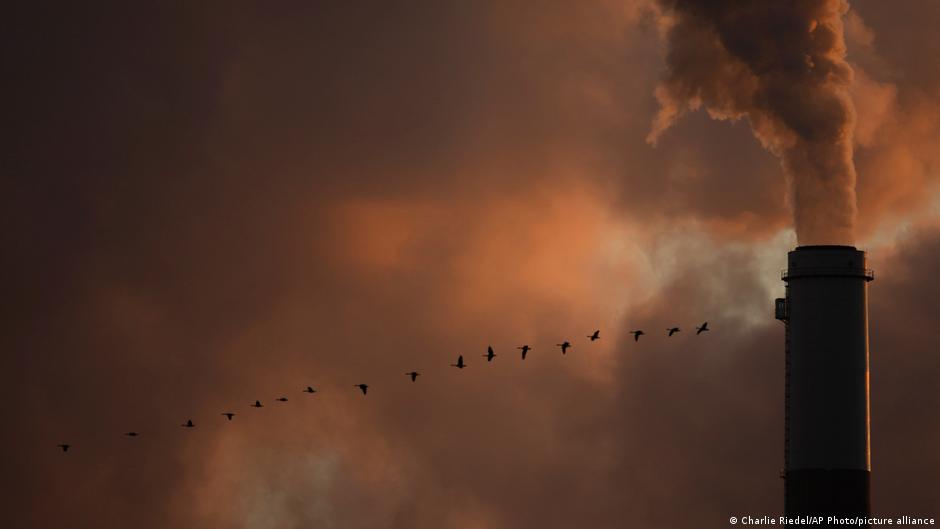
A potent neurotoxin capable of causing lifelong damage to the lungs, brain, skin and other organs, mercury is strictly regulated worldwide. Children, in particular, can suffer severe developmental impairment when exposed. A trace element that occurs naturally in rocks such as limestone, as well as in coal and crude oil, mercury remains locked underground for millions of years, largely entering the ecological cycle through human activity. It is released when fossil fuels are burned.Mercury is known to impact human health, with young children at particular risk Image: Mario Tama/Getty Images Coal-fired power plants contribute substantially to environmental mercury pollution. The nonprofit Natural Resources Defense Council (NRDC), cites them as the leading source of mercury contamination in the United States. The problem with coal is that although it contains only small amounts of mercury, it is burned in very large quantities. The most-affected communities tend to live near power plants, and are often marginalized or economically disadvantaged groups. Once it is released into the atmosphere, it can remain there for more than six months, accumulating in water, plants and animals, ultimately entering the foodchain — where even tiny amounts can seriously harm human health. Regulations could save billions In April 2025, the US administration granted nearly 70 coal plants two-year waivers to exceed air pollution limits. The exemptions cover toxic arsenic and other harmful substances — and they also include mercury. In its announcement, the White House argued that Biden-era emissions standards harmed the energy industry. But a 2024 assessment by the Environmental Protection Agency (EPA) cited huge cost implications as a result of regulations. It stated that the industrial air-pollution standards had the potential to save the health system $390 (€331) billion over the ensuing two decades. In addition, the NRDC estimates that Biden-era pollution limits — not just for mercury, but for other hazardous pollutants as well — have prevented a total of around 11,000 premature deaths. Mercury pollution can be minimized Beyond the mercury spewed into the atmosphere, burning coal is a leading cause in rising global temperatures. And the climate change that follows is compounding the mercury problem. According to the German federal environment agency UBA, nearly half the planet's natural mercury reserves are stored in permafrost. As increased heating cause these soils to thaw, they could release both heat-trapping gases and neurotoxins. Melting permafrost could see the release of long-trapped mercuryImage: Rick Bowmer/AP Photo/picture allianceCoal power and weaker air-pollution limits therefore push this development on two fronts. But the German nature and biodiversity conservation union NABU says that even if coal remains in the mix, technical controls could prevent up to 85% of mercury emissions. The NRDC goes further, citing reductions of up to 90% in coal plants as a result of stricter Biden-era rules. Once in the body, it doesn't break down In people, mercury exposure typically comes from eating fish and shellfish, the World Health Organization notes. Mercury works its way up the food chain with microorganisms such as algae and zooplankton absorbing it and converting it into toxic methylmercury, which stays in their bodies. Predators accumulate higher concentrations over time, as do humans. A nationwide US survey concluded that as many as 19 million people who eat self-caught fish three or more times per week may be exposed to mercury levels high enough to harm health. Once accumulated in the body, mercury does not break down. Edited by: Tamsin Walker
Share this story