thesuburban.com
A broader view of wellness in the Black community
thesuburban.com · Feb 18, 2026 · Collected from GDELT
Summary
Published: 20260218T120000Z
Full Article
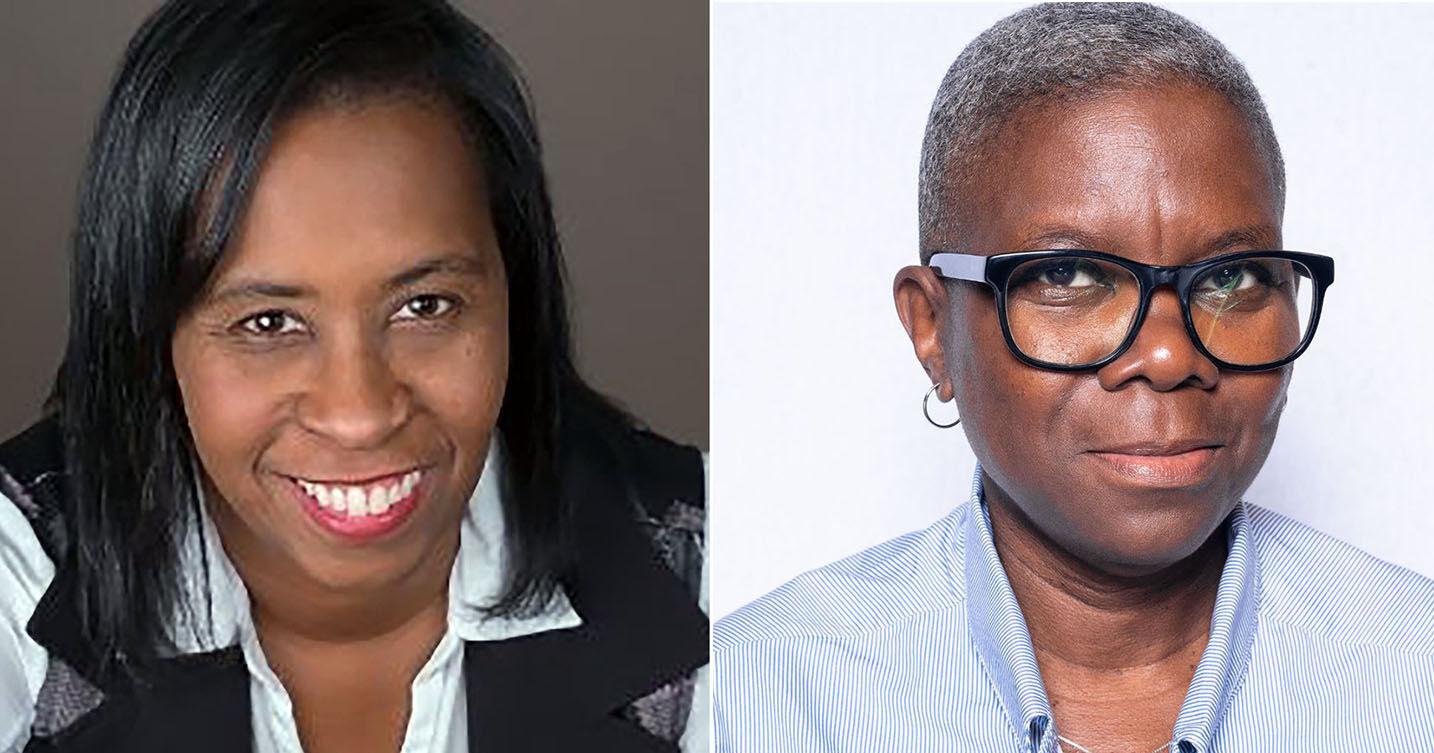
For much of her life, Dr. Lisa Dennis managed the effects of childhood trauma without fully understanding how deeply it shaped her adult health. Like many Canadians, she was treated for symptoms, not causes. No one gave her the language or framework to connect the dots.That shifted when she encountered the Adverse Childhood Experiences (ACEs) study, the long-running research linking early trauma to higher risks of chronic disease, mental health challenges, and shorter life expectancy. “If I had known earlier,” Dennis says, “I might have been able to avoid, or at least delay, some of my health issues.”The insight landed hard. Dennis began to see how trauma, especially racial trauma and intergenerational harm often described as Post Traumatic Slave Syndrome, remains largely undiscussed within Black communities and poorly addressed by Canada’s health care system. Childhood adversity doesn’t exist in a vacuum. It’s often layered with systemic anti-Black racism, then missed again in diagnosis and treatment.For Sheron Edey, the call to action came from another angle: the absence of accessible, culturally relevant Black health education, particularly in Quebec. “Understanding the need for Black health promotion means recognizing the unique differences of our Black bodies,” Edey explains. “Those differences require culturally responsive care and specialized knowledge.”Yet she observed, there was no single place offering comprehensive health awareness for Black communities — not just mental health, but physical health as well. “Wellness from head to toe, inside and out,” she says. “That gap leaves our community vulnerable, underserved, and without the information we need to thrive.”Together, their perspectives convergedDennis wasn’t approaching this as an outsider. She’s a clinician and a scholar. In 2024, she completed her clinical doctorate with a focus on skills-based anti-Black racism training. Soon after, she created a Black health booklet meant to close basic knowledge gaps around wellness.The response surprised her. It came not only from Black Canadians, but from white and non-Black professionals working in health, education, and justice. Many admitted they lacked cultural understanding and didn’t know how to address that gap responsibly. “That’s when I realized this work needed to be bigger than one resource,” Dennis says.In 2025, Dennis and Edey co-founded the Black Lives Living Well Initiative, a federal non-profit dedicated to empowering Black Canadians to live long, healthy, and meaningful lives despite the harms of systemic anti-Black racism. The organization works directly with Black communities while also training institutions that shape health, education, and social outcomes.What sets BLLWI apart is how broadly it defines wellness. Dennis points to eight connected areas: physical, intellectual, emotional and mental, spiritual and cultural, environmental, financial, occupational, and social wellbeing.“Health isn’t just what happens in a doctor’s office,” she says. “If we ignore any one of these areas, we’re not supporting wellness. We’re just responding to crisis.”She’s also candid about how resilience is often framed in Black communities. Survival skills are praised, sometimes to the point where unhealthy patterns become normal. “We’ve learned how to endure,” Dennis says. “But that can delay care. If survival is the baseline, it’s harder to recognize when something isn’t okay.”During Black History Month, BLLWI’s work takes on added weight. Dennis describes it as a form of cultural rehabilitation, especially for Black Canadians whose connection to African heritage was disrupted by slavery. The organization draws on the Nguzo Saba, the seven principles of Kwanzaa, as a guide for healing, identity, and collective responsibility.On Monday, Feb. 23, BLLWI will host a national online gathering for Black health and wellness professionals, along with anyone whose work aligns with the eight wellness areas. The goal is connection, collaboration, and practical exchange. The message is simple. Wellness isn’t limited to medicine. It shows up in finances, careers, creativity, and community life. Registration is open to all through Eventbrite.Dennis is clear that this work isn’t only for Black Canadians. For non-Black readers, she hopes it encourages honest self-examination. “It’s about noticing everyday bias, unlearning it, and choosing to act differently,” she says. “That takes humility and courage.” BLLWI also offers skills-based anti-Black racism training to support that process.The organization’s growth hasn’t been easy. Funding constraints, visibility, and capacity are ongoing challenges. To support long-term sustainability, BLLWI has launched a social enterprise offering culturally grounded wellness merchandise and educational tools. One upcoming project is an Africentric “Wellness Warrior” patch program designed for children and can be found at BLLWImerch.etsy.com along with other merchandise.Looking ahead, Dennis and Edey imagine Black communities across Canada that are informed about their health, grounded in heritage, and healing together.Their message is straightforward. Black people deserve more than survival. They deserve to live well.Through Black Lives Living Well, that future is already starting to take shape.www.blackliveslivingwell.com n
Share this story