Timeline
March 15, 2026 — March 16, 2026
World
Timeline: Pope Leo XIV's Call for Middle East Ceasefire Amid Iran Conflict
Pope Leo XIV, the first American pope in history, issued an urgent appeal for peace in the Middle East on March 15, 2026, addressing a two-week conflict involving Iran that has claimed over 165 lives. This timeline tracks the development and spread of the papal statement calling for an immediate ceasefire and dialogue.
7 events · 0 days · 30 source articles
Sun, Mar 1, 2026
Major
War in Iran Begins, Involving U.S. and Israel
According to papal statements, a conflict involving Iran began approximately two weeks before March 15, 2026. The war implicitly involves the United States and Israel, though Pope Leo XIV did not name these countries directly in his appeal. The conflict would eventually claim more than 165 lives.
Tue, Mar 3, 2026
Major
Elementary School Struck by Missile in Iran
During the early days of the war, a missile strike hit an elementary school in Iran, resulting in many child casualties. This attack on civilians, particularly children, would become a focal point of Pope Leo XIV's later condemnation of the conflict's violence.
Sun, Mar 15, 2026
Major
Pope Leo XIV Appeals for Ceasefire from Vatican
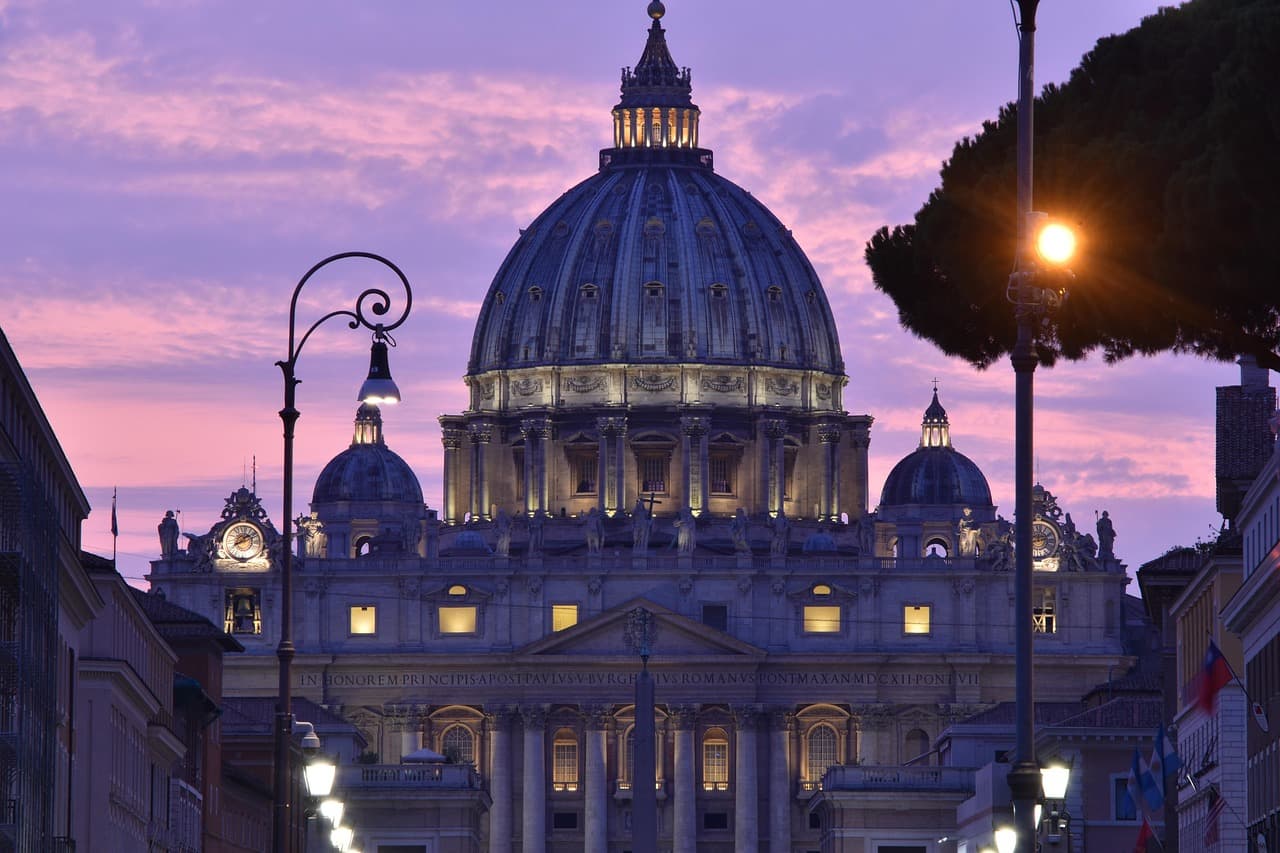
Pope Leo XIV addressed the conflict from the window of the Apostolic Palace in Vatican City, calling on political and religious leaders to cease hostilities. Speaking on behalf of Middle Eastern Christians and all people of good will, he denounced the 'atrocious violence' affecting the region for two weeks and demanded that avenues for dialogue be reopened.
Sun, Mar 15, 2026
Moderate
U.S. News Outlets Begin Reporting Papal Appeal
American news radio stations across the country started broadcasting Pope Leo XIV's ceasefire call, citing ABC News as their source. The coverage emphasized that the pope addressed 'those responsible for this conflict' without explicitly naming the United States or Israel, despite both nations' apparent involvement in the Iran war.
Sun, Mar 15, 2026
Minor
Coverage Spreads to Additional U.S. Markets
More American radio stations picked up the story of the first U.S. pope in history calling for peace in a conflict potentially involving his home country. The reports highlighted Pope Leo XIV's statement that 'violence can never lead to the justice, stability, and peace that the people are waiting for.'
Sun, Mar 15, 2026
Minor
National Distribution of Papal Statement Continues
The pope's appeal reached wider audiences as news outlets across multiple U.S. time zones reported on his Sunday address. Coverage emphasized the death toll of over 165 people and the particular significance of Pope Leo XIV being American while calling out leaders who launched the war.
Mon, Mar 16, 2026
Moderate
Story Achieves Full National Circulation
By midnight Eastern time, the story of Pope Leo XIV's ceasefire appeal had been distributed across the entire United States through multiple iHeartMedia radio stations. The consistent messaging across all outlets emphasized the pope's call for dialogue and his condemnation of violence, particularly the school attack that killed many children.
Share this story