jpost.com
When will Donald Trump decide to strike Iran ? | The Jerusalem Post
jpost.com · Feb 22, 2026 · Collected from GDELT
Summary
Published: 20260222T204500Z
Full Article
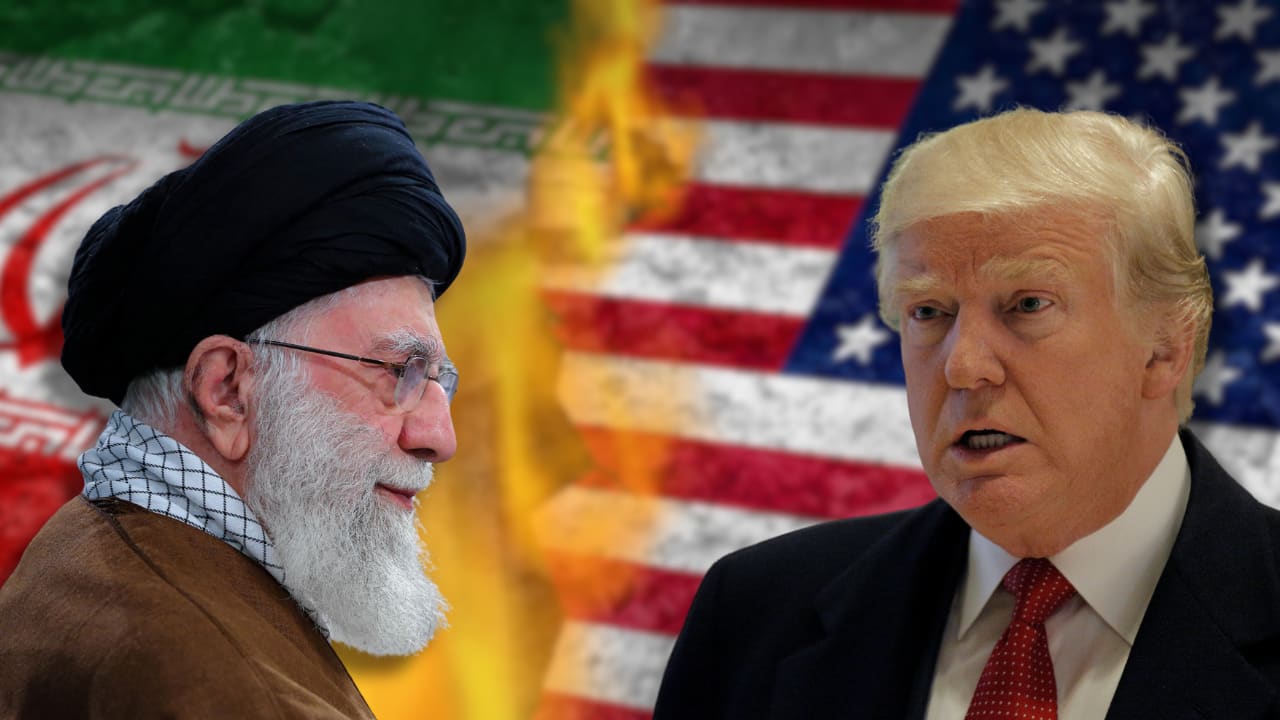
ByYONAH JEREMY BOBFEBRUARY 22, 2026 20:53Updated: FEBRUARY 22, 2026 22:52Given that no analyst on the planet thought the drama with Iran would still be ongoing in February, let alone almost March, there are four generally expected scenarios for when the next Iran war might start if no deal is struck.Option number oneUnited States President Donald Trump might attack Iran between Sunday and Thursday.This would occur if Trump had already decided to attack Tehran but had waited for certain pieces to fall into place militarily, as well as for a clear enough sign that negotiations with the Islamic Republic would not yield sufficient fruit for him to back down.It could also occur on Thursday if Iran makes an offer that day that Trump immediately rejects. This seems less likely than option number two, if for no other reason than US officials have said there will be a US-Iran meeting on Thursday, and the chances are that Trump would want some time to survey the latest Iranian offer.An Iranian newspaper with a cover photo of U.S. President Donald Trump, in Tehran, Iran, February 17, 2026. (credit: MAJID ASGARIPOUR/WANA/REUTERS)Option number twoTrump might attack Iran around the beginning or middle of next week.This is the most likely option. Last week, he gave a two-week deadline to the Islamic Republic to reach an agreement with him, after which he said he would attack.Since then, that deadline has waxed or waned in his statements, and there was another US official who noted that Trump is rarely “scientific” about his deadlines, using them often more as a guiding principle to get to where he wants to arrive when he wants to get there.If Trump decides to give Iran Supreme Leader Ayatollah Ali Khamenei the full two weeks and takes some time to digest a new offer from Tehran this coming Thursday, but ultimately decides it is insufficient, then he would attack around then.Option number threeThe American military could attack almost immediately after March 19, post-Ramadan.The Muslim month of Ramadan started last week and finishes on March 19. Trump may not want to start a regional war during Islam’s holiest month. Starting a war then could harm the readiness of Sunni Muslim allies in the region for the expected counterstrike by Khamenei against them. In addition, Trump’s thoughts are never far from political consequences.Attacking during Ramadan could play into Khamenei’s narratives of a foreign force trying to invade the Middle East and move the focus away from the regime’s crimes against its own people as it slaughtered them in massive numbers starting in January.If Iranians are considering splitting from the regime, attacking during Ramadan could complicate their thinking. Therefore, waiting until after Ramadan has some real logic to it.However, option number two seems slightly more likely because the current stand-off has already dragged on since late December, the costs of maintaining so many American forces in the region are escalating, and as much as Trump may want to weigh his options and have Ramadan out of the way as a factor, his instinct to make relatively quick decisive determinations will at some point probably reassert itself over what has been an uncharacteristically long and deliberative decision-making process for the US president.Option number fourThe least likely scenario: Washington could attack in the more distant future.This is the least likely of the four options because it is costing America billions of dollars to keep two aircraft carriers, over a dozen destroyer warships, and hundreds of other aircraft in the Middle East and on alert to start a giant war at any moment.Some of these military elements arrived in the region in early January, some in mid-January, and the last elements will arrive in the coming days.Virtually no analysts believe Trump will keep such a large “armada” in place past mid-March without using it to go to war or disbanding it upon reaching a deal. But points to keep in mind are as follows:• Every single analyst has been wrong to date about the predictions that Trump would have attacked or reached a deal long before now.• Iran is extremely skilled at drawing out negotiations.• Trump is struggling over possibly the largest decision of his presidency, with vast domestic and global pressures and counter-pressures pushing him in opposite directions.All of these issues mean that Trump could get stuck in a holding pattern, continuing to hope that some clearer and better solution will present itself rather than a full war or a deal that will be perceived as weak.Originally, Israeli analysts were split about whether Khamenei would order an attack on Israel in response to a US strike. Some believed that he would order a counterattack no matter what, while others thought that if Jerusalem were clear about staying out of the fray, the Islamic Republic might only counterattack against US bases and ships in the region.As time has drawn on, Israeli leaders have made more noise about joining an American-led strike on the regime. This has also increased the probability that Tehran will attack Israel, either in response or in anticipation of expected IDF involvement.
Share this story