latimes.com
What if just 1 in 10 people changed how they eat , drive , heat or shop ?
latimes.com · Feb 24, 2026 · Collected from GDELT
Summary
Published: 20260224T001500Z
Full Article
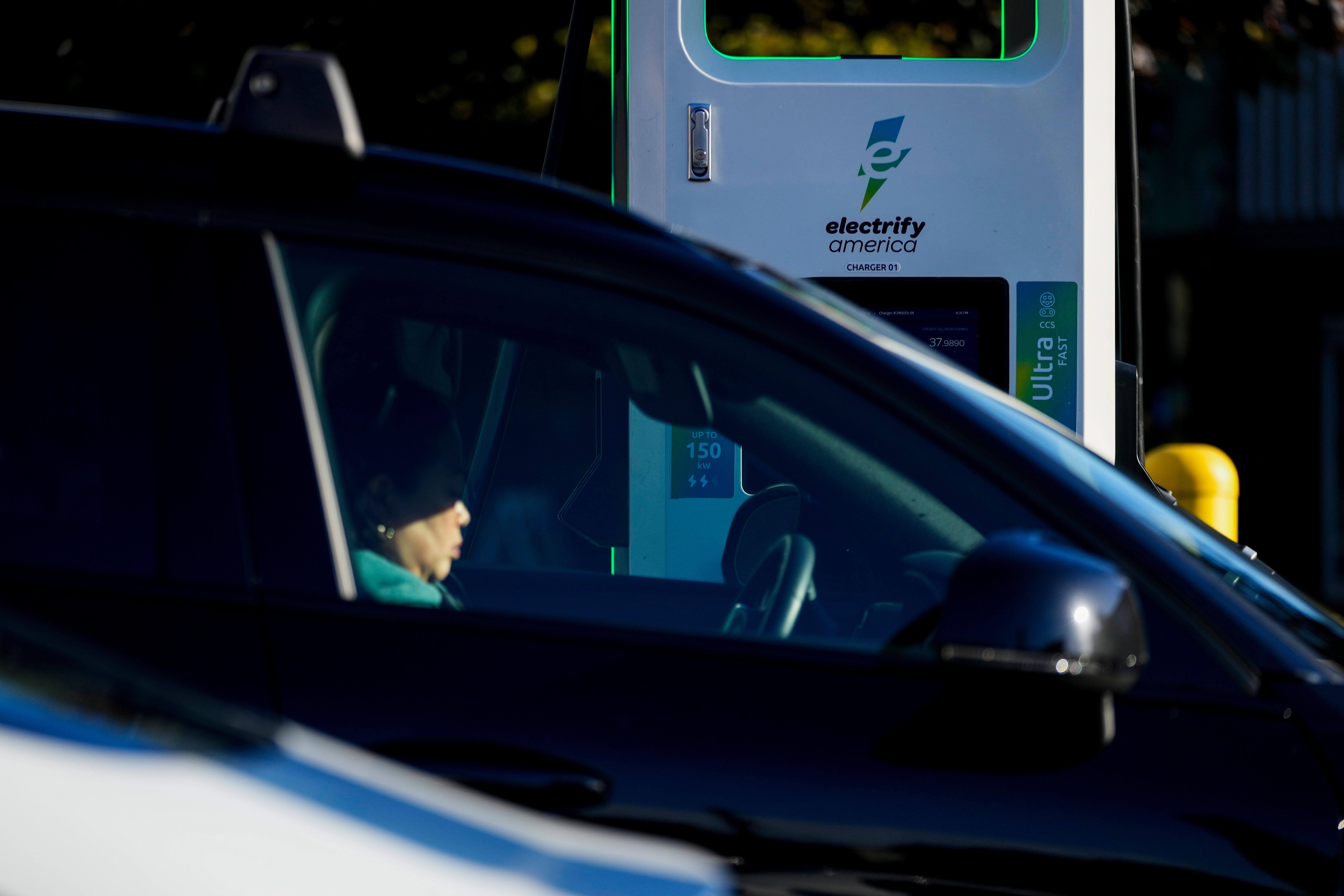
Climate change is often viewed as an issue that’s too big for individual action to matter. But calculations show that personal choices add up, and the impact can be significant.The Associated Press looked at four everyday behaviors in the U.S.: food, transportation, home energy and clothing. The question was then posed: What if just one in 10 Americans who currently eat beef, drive gasoline cars, heat their homes with natural gas or buy new clothes changed each of those habits?To find out, the AP gathered data from federal agencies and other sources on each habit, then calculated how much emissions would be reduced if one out of every 10 users made a switch. The answer is tens, and in some cases hundreds of billions of pounds of carbon pollution avoided each year.Food: Swapping beef for chickenBeef is one of the most carbon-intensive foods in the global food system because cattle emit methane and require vast amounts of land and feed, creating large amounts of climate pollution. Producing beef generates greenhouse gas emissions several times higher than chicken.The recommended serving size of meat in the U.S. is 3 ounces (85 grams), according to the American Heart Assn. Swapping one serving of beef that size for chicken once a week would cut about 10 pounds of carbon dioxide. Over 52 weeks in a year, that would equal a reduction of about 525 pounds of carbon dioxide per person per year.About 74% of Americans eat beef at least once a week, according to a 2023 survey by the Associated Press-NORC Center for Public Affairs Research. If one out of every 10 of them — or about 25 million people — swapped just one beef meal a week for chicken, emissions would fall by about 13 billion pounds (roughly 6 million metric tons) of carbon dioxide each year. That change is roughly comparable to the annual emissions from nearly 1.3 million gasoline cars.“Beef is a commonly consumed item that has one of the largest carbon footprints per pound,” said Dave Gustafson, project director at Agriculture & Food Systems Institute. “It is probably one of the largest individual choices that people make with regard to what they eat that has a direct impact on personal carbon footprint.”Transportation: Gas cars to electric vehiclesAccording to the Environmental Protection Agency, transportation is one of the largest sources of direct greenhouse gas emissions in the U.S., and personal vehicles account for a major share of that total. Transportation accounts for 28% of total U.S. greenhouse gas emissions by economic sector. The EPA says the average U.S. motorist drives 11,500 miles per year. The average gas-powered car emits 14 ounces of carbon dioxide per mile, compared with about 3.9 ounces of carbon dioxide per mile for an electric vehicle. Driving an electric vehicle instead of a gas car cuts roughly 7,400 pounds of carbon dioxide per person annually, even after accounting for emissions from electricity generation. If a number of Americans equal to 1 in 10 licensed drivers — or 23.77 million people — made that switch, the emissions savings would add up to roughly 175 billion pounds of carbon dioxide every year, nearly 1.25% of total U.S. greenhouse gas emissions. “If a large percentage of people changed a little bit of their travel, then all of a sudden the benefits are huge,” said Dillon Fitch-Polse, a professional researcher and co-director of Bicycling Plus Research Collaborative at UC Davis.Energy: Heating homes differentlyAt home, heating is often an invisible source of fossil fuel use. About 60 million U.S. households rely on utility natural gas furnaces, which burn fuel directly inside the home, according to the U.S Census Bureau’s American Community Survey. Replacing a gas furnace with an electric heat pump, which moves heat instead of generating it through combustion, cuts about 1,830 pounds of carbon dioxide per household per year.If one in 10 households that heat their homes with natural gas switched to electric heat pumps, the result would be about 11 billion pounds of carbon dioxide avoided annually, comparable to taking 1 million cars off the road.“People’s homes are kind of like little fossil fuel power plants that people operate, and they just don’t realize that’s what they’re doing,” said Leah Stokes, associate professor of environment politics at UC Santa Barbara. “That’s really the collective action thing for people to understand that there is fossil fuel infrastructure right under their noses in their own homes.”Fashion: Buying secondhandClothing may seem minor next to cars or furnaces, but apparel has a significant carbon footprint.A life cycle assessment by Levi Strauss & Co. estimates that producing a single pair of Levi’s 501 jeans can emit more than 44 pounds of carbon dioxide, including manufacturing, packaging, transportation and retail.If 34.2 million people — or the equivalent of 1 in 10 Americans — bought a pair of secondhand jeans this year instead of new ones, it would avoid roughly 1.5 billion pounds of carbon dioxide, equivalent to the emissions of about 150,000 gasoline cars.“What you can do is not throw it in the trash,” said Constance Ulasewicz, consumer and family studies emeritus faculty and lecturer at San Francisco State. “So it’s repairing your clothing so you can extend the life, and buying from a secondhand store.”None of these actions alone can solve climate change, but together, the numbers show how quickly emissions add up or come down when millions of people move in the same direction.Diab writes for the Associated Press. More to Read
Share this story