Gizmodo
The ‘Overdue’ West Coast Mega-Earthquake May Not Be Looming After All
Gizmodo · Feb 25, 2026 · Collected from RSS
Summary
Make no mistake—this doesn’t mean there is no danger. The researchers urge policymakers to treat seismic risk as a constant.
Full Article
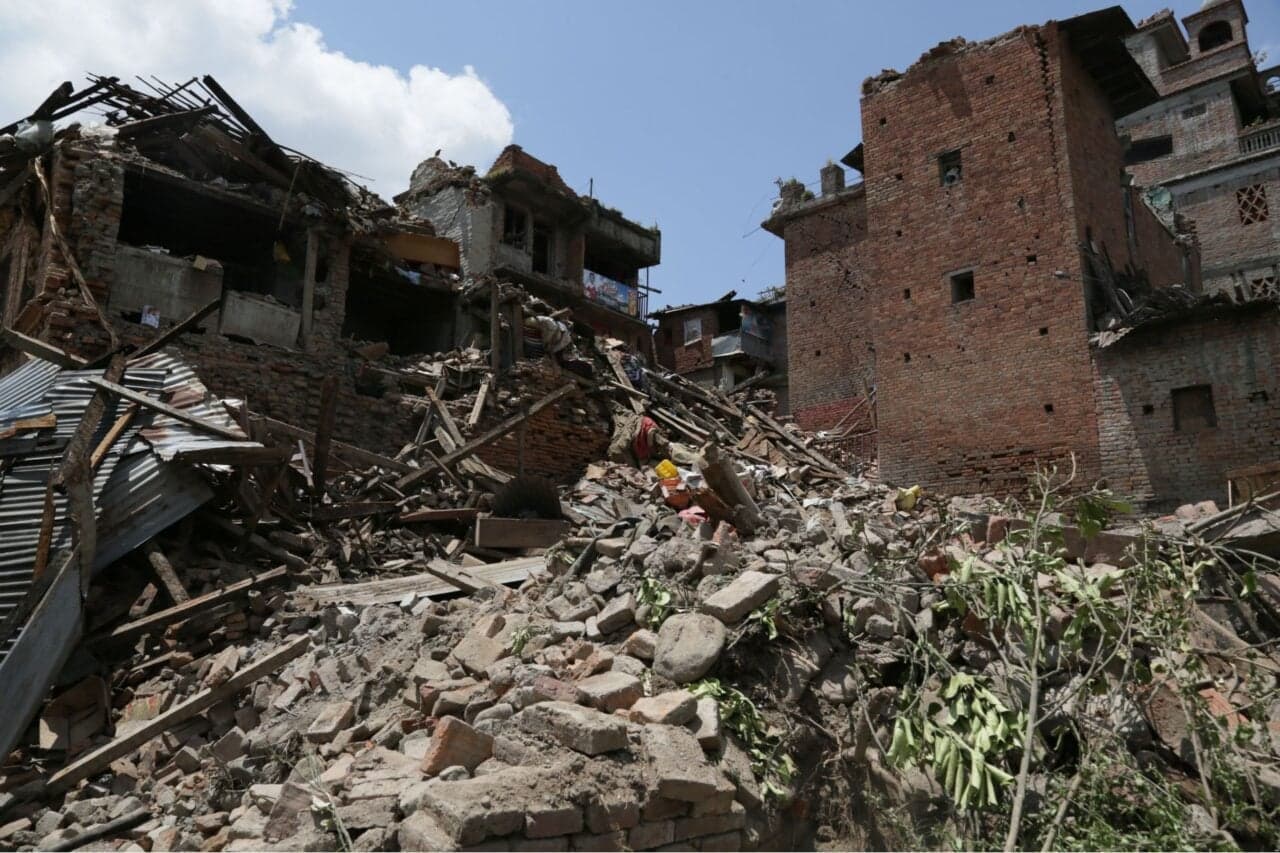
If you live in the U.S., chances are you’ve heard of “the big one.” For years, scientists have warned that this catastrophic earthquake is long overdue and poised to strike the West Coast, but new research suggests otherwise. A study published February 11 in the journal Science Advances undermines the long-held assumption that major earthquakes follow predictable cycles. Instead, the findings show that these quakes occur over irregular intervals, arriving in bursts and disappearing in long lulls. “The ‘overdue’ myth is just that—a myth,” lead author Zakaria Ghazoui-Schaus, a paleoseismologist with the British Antarctic Survey, said in a statement. “Our research shows that major earthquakes are just as random and unpredictable as smaller ones. The science is blunt: major quakes don’t run to a timetable.” Earthquakes are random, not cyclical This “myth” is what led scientists to believe that both the San Andreas Fault and the Cascadia Subduction Zone—two of the West Coast’s most dangerous tectonic boundaries—are overdue for a megaquake of magnitude 8.0 or greater. As year after year has passed with no catastrophe, the inevitability of “the big one” has simultaneously become more feared and more uncertain. The Western U.S. isn’t the only part of the world that’s been bracing for a massive earthquake. Scientists have long thought that the Himalayas are overdue for one too, as the central Himalaya fault segment in India and Nepal last produced a violent quake in 1505. Previous research has suggested that megaquakes occur here every 500 years or so. Ghazoui-Schaus and his colleagues decided to take another look at the region’s seismic history. They conducted their study at Rara Lake, a high-mountain lake in western Nepal that serves as a natural earthquake record. Strong ground shaking disturbs its underwater slopes, leaving distinctive layers in the lakebed sediment. The researchers identified 50 of these layers dating back 6,000 years and combined this geological record with modern instrumental earthquake data to statistically test quake timing. Then, they compared their findings with long-term seismic records from Indonesia, New Zealand, Chile, and the U.S. Pacific Northwest. The analysis uncovered the same pattern across all of these high-risk locations—or rather, the same lack of a pattern. The researchers found that earthquakes cluster unpredictably, with active periods followed by long periods of quiet. Not a single region exhibited the regular cycle that underlies many hazard models. The need for constant preparedness Before you breathe a sigh of relief, let’s be clear about what this means. The findings may contradict the idea of an “overdue” megaquake, but that just means these catastrophes are far more difficult to predict than experts previously thought. “Six thousand years of data shows us that major earthquakes can happen at any time,” Ghazoui-Schaus said. “This substantially increases seismic hazard estimates—the risk models which shape government policies in earthquake regions, and the prioritisation of public investment and aid.” In light of this new understanding, he and his team recommend that the public, politicians, and policymakers treat earthquake hazards as a constant threat. Their findings underscore the need for robust preparedness to avoid the worst damages and casualties if—or when—the next “big one” strikes.
Share this story