Science News
Clustered Story
Some dog breeds carry a higher risk of breathing problems
Science News · Feb 18, 2026 · Collected from RSS
Summary
Research reveals more short-snouted dogs besides pugs and bulldogs that struggle with breathing. Pekingese and Japanese Chins topped the study's list.
Full Article
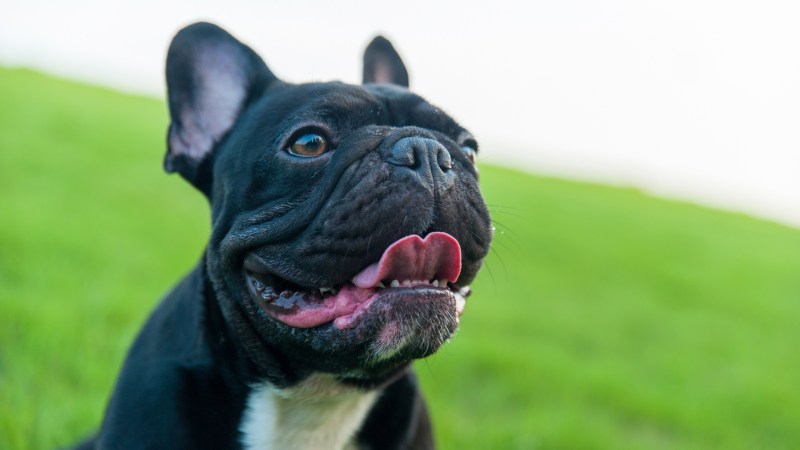
The findings help quantify the negative health outcomes of breeding extreme body shapes Smooshed “brachycephalic“ snouts such as those found in pugs and French bulldogs (shown) bring heightened risk of breathing problems. Scientists have quantified the severity across more than a dozen breeds. Zhao Hui/Getty Images Many people find their flattened faces cute, but among dogs bred with a squished visage, 11 percent or less of some breeds can breathe easily. The findings, published February 18 in PLOS One, evaluate a major health cost of breeding dogs with shortened “brachycephalic” skulls: chronically obstructed airways. In the United Kingdom, some brachycephalic breeds “have become incredibly popular in recent years, particularly the French bulldog,” says Francesca Tomlinson, a veterinarian and researcher at the University of Cambridge. That popularity has meant a more direct spotlight on the health issues these dogs can have, including brachycephalic obstructive airway syndrome (BOAS). The dogs’ truncated skull can mean the airway is narrowed, resulting in difficult, noisy, snorting breathing. Researchers had already investigated the syndrome’s severity in pugs and bulldogs, but little was known about the condition in the many other flat-faced breeds. Grades on breathing The researchers used a 0 to 3 scale to record the severity of brachycephalic obstructive airway syndrome (BOAS) symptoms in the dogs examined in the study. Pekingese (shown) had one of the lowest rates of Grade 0, typified by easy breathing. Source: F. Tomlinson, et al./ PLOS One 2026 (CC-BY 4.0), Image: Antagain/iStock/Getty Images Plus (dog photo), adapted by J. HirshfeldSource: F. Tomlinson, et al./ PLOS One 2026 (CC-BY 4.0), Image: Antagain/iStock/Getty Images Plus (dog photo), adapted by J. Hirshfeld From September 2021 to April 2024, Tomlinson and her colleagues examined nearly 900 dogs across 14 additional brachycephalic breeds. The team ran standardized exercise tests on the dogs, ranking their breathing performance based on the presence of established syndrome symptoms like loud or obstructed breathing. The dogs were graded on a 0 to 3 scale of symptom severity established in previous research, where 0 is the absence of noisy breathing. The researchers also took detailed measurements of the dogs’ heads and bodies. “The risk [of the condition] varies quite significantly across the different breeds,” Tomlinson says. Boxers and Staffordshire bull terriers, for instance, have a fairly low incidence of breathing issues. But the team found that Pekingese and Japanese chin dogs are in the high-risk category alongside bulldogs and pugs. Just 11 percent of Pekingese scored the healthiest grade of 0, compared with about seven percent of pugs. The most important factors driving the airway obstruction were the face’s flatness, the narrowness of the nostrils and the dog’s relative obesity. “[The study] confirms much of what the science and biology has known for decades,” says Dan O’Neill, an animal epidemiologist at the Royal Veterinary College in London. “Artificially selecting dogs for unnaturally short skulls reduces the ability of these dogs to breathe, sleep, exercise and live a complete canine life.” Findings like these may be useful as a jumping off point for more detailed studies on the physiological and genetic causes of this particular breathing issue in different breeds. They could also be used for managing short-faced breeds going forward. Tomlinson says the breathing scoring could be used in breeding away from very exaggerated features. It’s possible that the process has already started. The data for bulldogs and pugs used in this study came from a study published in 2016. There’s been a lot more awareness of short-snouted breed respiratory issues since then, Tomlinson says. “Hopefully that means that [breeders] selected dogs that are less severely affected and that could have helped move the breeds to a healthier place.” More Stories from Science News on Animals
Share this story