braidwoodtimes.com.au
CSPU considers asking for a four - day work week trial | Braidwood Times
braidwoodtimes.com.au · Mar 1, 2026 · Collected from GDELT
Summary
Published: 20260301T204500Z
Full Article
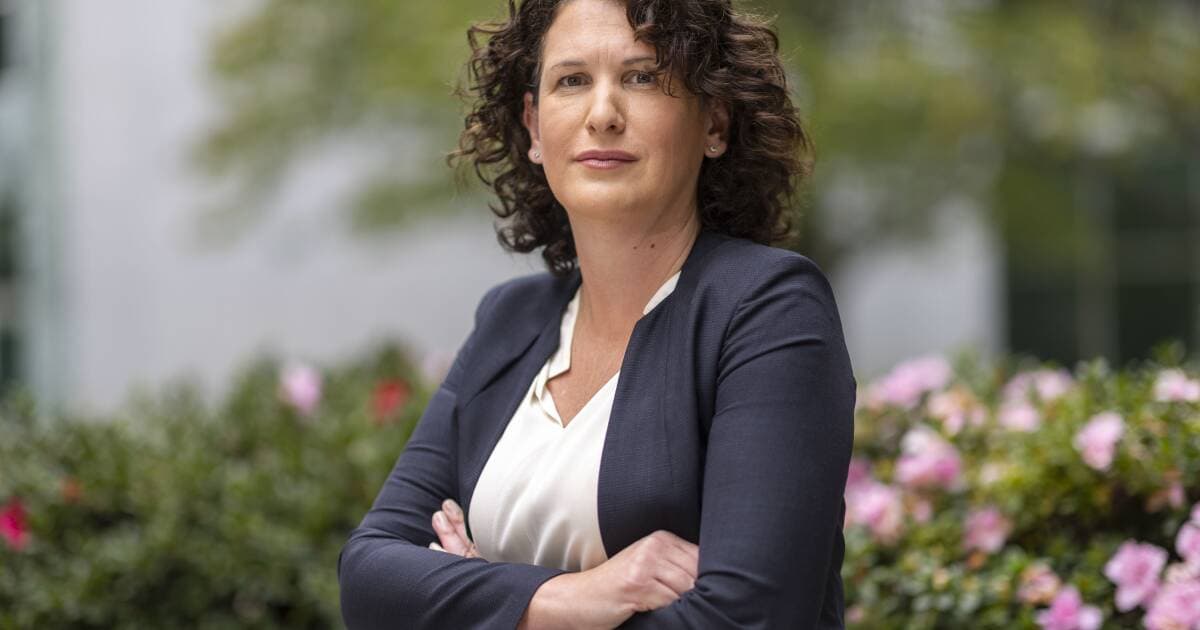
Union members are considering asking the federal government to trial four-day work weeks in some agencies, in a sign flexibility could dominate an upcoming round of bargaining on pay and conditions.Subscribe now for unlimited access. or signup to continue readingAll articles from our websiteThe digital version of Today's PaperAll other in your areaCommunity and Public Sector Union national secretary Melissa Donnelly. Picture by Gary RamageThe Community and Public Sector Union, which will be a major player in enterprise bargaining set to begin later in 2026, has provided a draft claim to members outlining options to improve work-life balance.CPSU national secretary Melissa Donnelly said the four-day week trial was one of a range of ideas put forward by members which are still being circulated for feedback and potential changes before going to a vote. "Members will again be in the driver's seat for service-wide bargaining and will be looking to secure pay and conditions that not only improve their lives, but set a standard for all Australian workers," Ms Donnelly said in a written response to questions. The union called on the Albanese government to consider options for four-day work weeks during the last round of negotiations in 2023, but the Public Service Commission did not endorse the claim.The draft claim, seen by The Canberra Times, also lists an additional week of annual leave for employees, improved Time Off In Lieu (TOIL) arrangements for managers and for the right to disconnect to be acknowledged in enterprise agreements.A first round of bargaining will begin ahead of enterprise agreements expiring in February 2027, with the commission to negotiate with unions and other representatives.It will be the second round of service-wide talks to be held since the Albanese government reinstated the practice and landed on an 11.2 per cent pay rise over three years, as well as landmark rights to request flexible working agreements.Wind back flexible work at your own electoral peril: CPSU Public service managers are currently required to consider requests for flexible working arrangements with a bias towards approval.This includes working from home, which became a political firestorm during the 2025 federal election, when former opposition leader Peter Dutton declared he would order federal public servants back into the office five days a week.Labor capitalised on voter concerns that the private sector would follow suit, forcing the Coalition to abandon the policy."The introduction of flexible work entitlements including working from home has delivered benefits to employers and employees alike, particularly working women, people with disability, and those in regional and rural Australia," Ms Donnelly said."The last federal election clearly demonstrated that apart from a few reactionary diehards in the big business community and their political partners, there's strong community support for flexible work options and that any government who tried to wind them back would do so at their electoral peril."While the Albanese government has not given any indication of it's stance leading into bargaining, some public service figures including Health secretary Blair Comley, have expressed concerns about the impacts of working-from-home arrangements on productivity.The union is also considering asking for a pay rise of 15 per cent over the three years from 2027, after Public Service Minister Katy Gallagher slapped down its 20 per cent pay claim as "impossible" during the last round of talks. Pay is likely to be a contentious issue during talks, with the Albanese government preparing to rein in public spending in the impending May budget.Twice weeklyVoice of Real AustraliaGet real, Australia! Let the ACM network's editors and journalists bring you news and views from all over.
Share this story