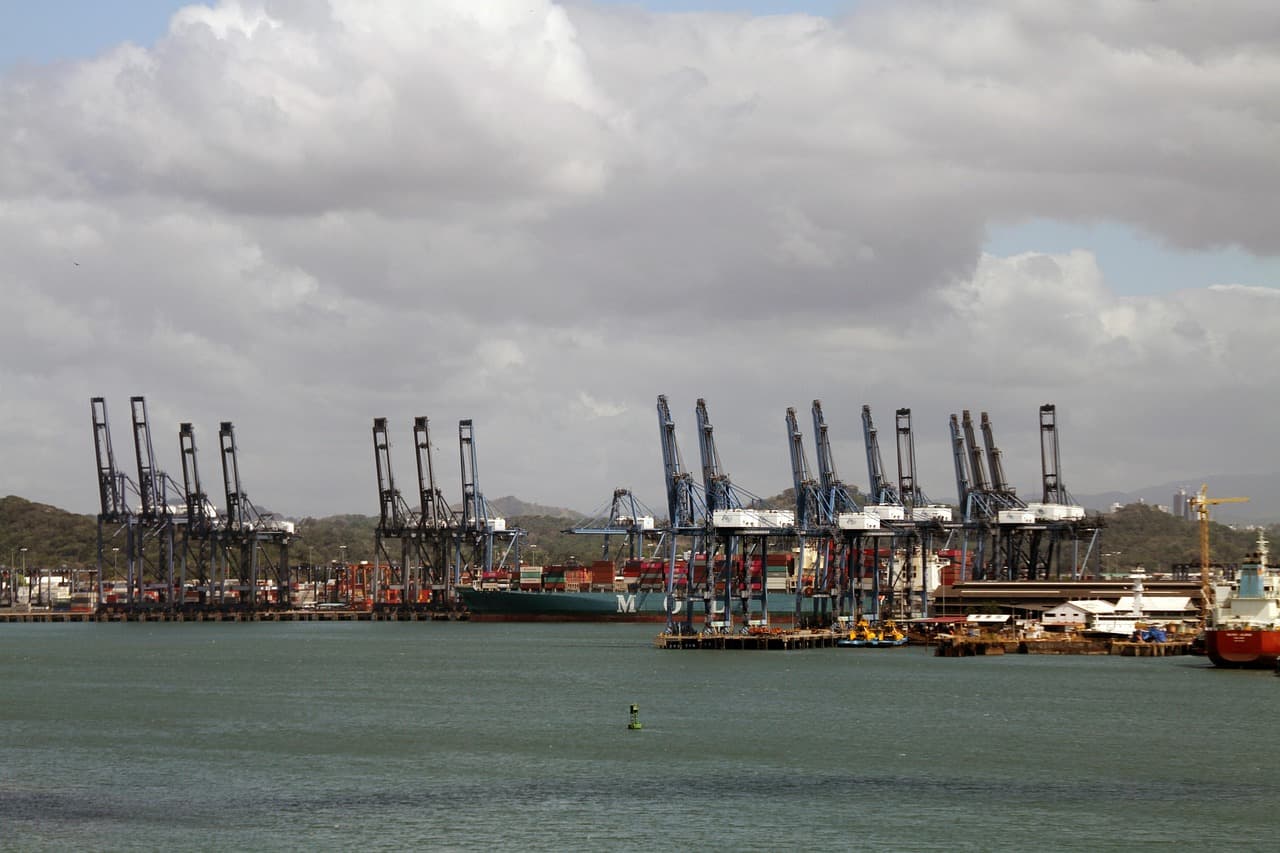
Panama Canal Ports
High Confidence
Panama Port Dispute Heading to International Arbitration as CK Hutchison Fights Seizure
6 predicted events · 7 source articles analyzed · Model: claude-sonnet-4-5-20250929
The Collision Course: International Law Meets Geopolitical Pressure
The dramatic seizure of two strategic Panama Canal ports from Hong Kong conglomerate CK Hutchison has set the stage for a protracted legal battle that will test the boundaries of sovereign authority, contractual law, and great power influence in Latin America. What began as a Supreme Court ruling has rapidly escalated into a complex international dispute with implications far beyond the immediate parties involved.
Current Situation: A Confrontation on Multiple Fronts
On February 23, 2026, Panama's government executed a presidential decree ordering the occupation of the Balboa and Cristobal ports following a Supreme Court ruling declaring CK Hutchison's concession unconstitutional (Article 7). The Hong Kong conglomerate, controlled by the Li Ka-shing family, has condemned what it calls an "illegal takeover" and the "culmination of a campaign" against its Panama Ports Company (PPC) subsidiary (Article 5). The situation deteriorated further when Panamanian authorities conducted what Article 1 describes as an "unnotified intrusion" at a PPC storage facility on February 27, removing boxes of documents and allegedly seizing "proprietary and legally protected information." CK Hutchison has now issued explicit warnings that it "intends to take all legal steps properly available to it to protect the group's interests including recourse to additional national and international legal proceedings" (Article 3).
The Geopolitical Undercurrent
This dispute cannot be separated from broader US-China tensions. As Article 7 notes, the saga became entangled in great power rivalry after President Donald Trump accused China of "running the Panama Canal." Critically, CK Hutchison had arranged to sell these ports to a consortium including US firm BlackRock, but the Chinese government intervened to halt the deal—a clear signal of Beijing's strategic interests in maintaining influence over this critical chokepoint of global commerce. Article 4 frames this as "a stress test of the rule of law in an age when great power rivalry tempts smaller states to improvise," highlighting how Panama may have calculated that geopolitical winds favor bold action against a Hong Kong-based operator.
Key Predictions: The Path Forward
### 1. International Arbitration Within 3-6 Months CK Hutchison will almost certainly file for international arbitration, likely under the International Centre for Settlement of Investment Disputes (ICSID) or similar mechanisms. The company's repeated emphasis on "international legal proceedings" (Article 3) and references to Panama's failure to comply with "international obligations" (Article 1) telegraph this strategy clearly. The concession, renewed through 2047 with substantial investments since 1997, provides strong grounds for claims of expropriation without adequate compensation. ### 2. Chinese Government Diplomatic Pressure Given Beijing's previous intervention to block the BlackRock sale, China will likely apply diplomatic and possibly economic pressure on Panama. This could manifest as: - Formal diplomatic protests and bilateral tension - Potential threats to Belt and Road Initiative investments in the region - Coordination with Hong Kong authorities to support CK Hutchison's position The timing is significant—China cannot afford to appear weak on protecting its business interests abroad, particularly in a strategically vital location. ### 3. Operational Complications for Panama Article 7 notes that the seizure includes "cranes, vehicles, computer systems and software"—complex operational infrastructure. Panama's Maritime Authority will likely face significant technical and logistical challenges in operating these sophisticated port facilities effectively. Within 2-3 months, expect reports of operational inefficiencies, potential service disruptions, or the need to contract external expertise, possibly weakening Panama's negotiating position. ### 4. US Involvement as Mediator or Beneficiary The Trump administration's vocal concerns about Chinese influence suggest the US may either: - Privately support Panama's actions as reducing Chinese presence - Offer to facilitate a resolution that installs US-friendly operators - Use the dispute to further its broader agenda of reducing Chinese infrastructure control in the Western Hemisphere The collapsed BlackRock deal may be revived under different terms once the legal dust settles. ### 5. Settlement Negotiations Within 12-18 Months Despite the heated rhetoric, pragmatic considerations will likely drive both parties toward negotiation. Panama needs operational expertise and cannot afford prolonged international legal battles that damage its reputation as a stable investment destination—Article 4's warning about "risk premium" is prescient. CK Hutchison, while financially capable of lengthy litigation, may prefer compensation and exit over years of contentious legal proceedings.
The Broader Implications
As Article 4 astutely observes, "When a 30-year agreement, repeatedly affirmed, can be voided in a political season, investors will not study the footnotes of the ruling. They will study the risk premium." This case will reverberate through Latin American investment circles, potentially affecting how international investors view long-term infrastructure concessions in the region. The outcome will also send signals about the limits of Chinese economic influence when confronted by local political dynamics and US strategic interests. For smaller nations caught between great powers, Panama's experience will serve as either a cautionary tale or a roadmap, depending on how skillfully it navigates the legal, operational, and diplomatic challenges ahead.
Conclusion
The Panama port seizure represents more than a commercial dispute—it's a test case for how contract law, sovereign authority, and geopolitical pressure interact in an increasingly multipolar world. While CK Hutchison's legal position appears strong based on established international investment law, Panama holds the physical assets and sovereign authority. The most likely outcome is a negotiated settlement involving substantial compensation, possibly facilitating a transition to US-aligned operators, thereby satisfying both Panama's constitutional concerns and Washington's strategic preferences while allowing Beijing to claim it protected Chinese business interests through the compensation secured.
Share this story
Predicted Events
High
within 3-6 months
CK Hutchison files for international arbitration under ICSID or similar investment treaty mechanism
Company has explicitly stated intention to pursue international legal proceedings and has strong grounds for expropriation claims given the long-term concession and substantial investments since 1997
High
within 1-2 months
Chinese government issues formal diplomatic protests and applies pressure on Panama
China previously blocked the BlackRock sale, demonstrating strategic interest in these ports; cannot afford to appear weak on protecting Chinese business interests abroad
Medium
within 2-3 months
Panama experiences operational difficulties managing the seized port infrastructure
Complex technical systems including cranes, computer systems, and software require specialized expertise that Panama Maritime Authority may lack
Medium
within 4-6 months
US administration offers mediation or support for installing US-aligned port operators
Trump's vocal concerns about Chinese influence and the previous BlackRock deal suggest US has strategic interest in the outcome
Medium
within 12-18 months
Parties enter settlement negotiations involving substantial compensation to CK Hutchison
Prolonged legal battle damages Panama's investment reputation while costing CK Hutchison operational losses; pragmatic interests favor negotiated exit
High
within 6 months
Regional Latin American investors increase risk premiums for long-term infrastructure concessions
Article 4 notes that voiding a repeatedly-affirmed 30-year agreement will cause investors to reassess political risk in the region