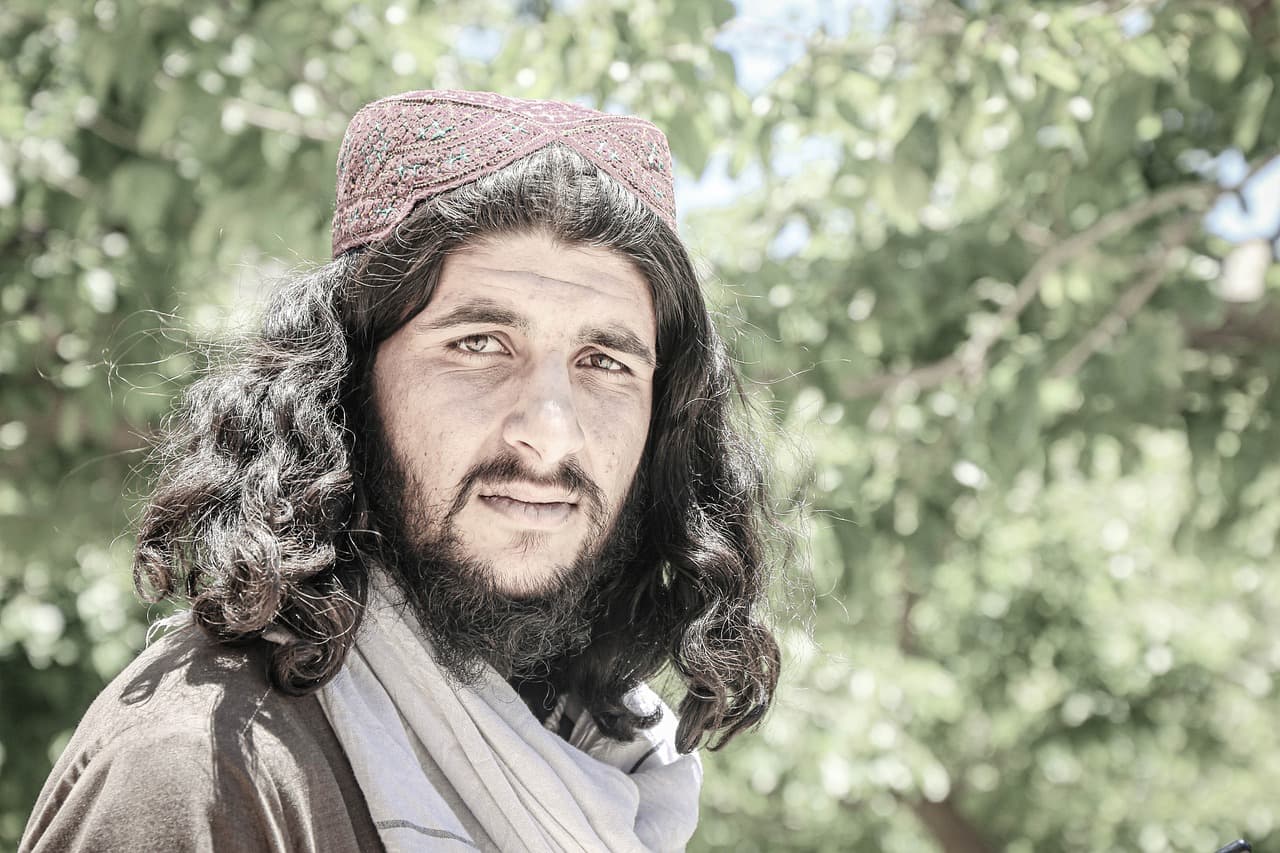
Pakistan-Afghanistan Conflict
Medium Confidence
Pakistan-Afghanistan 'Open War': Three Paths from the Brink of Regional Catastrophe
7 predicted events · 20 source articles analyzed · Model: claude-sonnet-4-5-20250929
The Escalation Spiral
What began as border skirmishes has exploded into what Pakistan's Defense Minister Khawaja Asif explicitly termed "open war" between two nuclear-armed neighbors sharing a volatile 2,600-kilometer frontier. Between February 27-28, 2026, Pakistan conducted its most extensive military operations against Afghanistan since the Taliban's 2021 return to power, striking targets in Kabul, Kandahar, and multiple border provinces. According to Article 1, Pakistan claims over 331 Afghan Taliban fighters killed and more than 500 wounded, while destroying 163 tanks and armored vehicles across 37 targeted locations. This dramatic escalation represents a fundamental rupture in one of South Asia's most consequential relationships. As Article 5 notes, Pakistan helped "give birth to the Taliban in the early 1990s" as part of its strategic depth doctrine against India. The current conflict has shattered decades of covert cooperation, raising urgent questions about regional stability in an area where, as Article 3 observes, "the world's economic superpowers are vying for influence."
The Core Grievance: A Proxy War Within a Border War
At the heart of this confrontation lies Pakistan's accusation that Afghanistan harbors the Tehreek-i-Taliban Pakistan (TTP) and ISIS-Khorasan Province militants who conduct attacks inside Pakistani territory. Article 10 reports that Pakistan experienced its "deadliest year" in a decade, with ISIS-K claiming responsibility for an Islamabad mosque attack that killed 31 people. Pakistani officials claim the suicide bomber had traveled to Afghanistan before the attack. The Taliban government categorically rejects these allegations, creating an irreconcilable diplomatic impasse. Article 8 captures Pakistan's frustration in Defense Minister Asif's accusation that "the Taliban became a proxy for India," suggesting Islamabad now views its former ally as serving its arch-rival's interests—a perception that fundamentally alters the strategic calculus.
Key Indicators and Troubling Trends
Several signals suggest this conflict could persist rather than quickly resolve: **Military Momentum Over Diplomacy**: Article 2 reports that Pakistan's army spokesman warned the campaign "would not end until 'our objectives are met.'" This open-ended commitment suggests sustained military operations rather than a punitive strike followed by negotiations. **Failed Mediation Precedent**: Article 10 reveals that October 2025 clashes, which killed 70 people, were followed by ceasefires brokered by Qatar, Turkey, and Saudi Arabia—yet "no lasting agreement materialized." This history suggests regional mediators lack sufficient leverage over both parties. **Civilian Impact Accelerating**: Articles 11 and 13 document civilians fleeing border areas, shells hitting homes and mosques, and major border crossings remaining closed. This displacement creates humanitarian pressure that could either force negotiations or harden public opinion on both sides. **Conflicting Narratives**: Article 9 highlights that both sides dispute even basic facts like casualty figures, each claiming the upper hand. This inability to agree on objective reality complicates any diplomatic off-ramp.
Three Probable Scenarios
### Scenario 1: Militarized Stalemate (60% probability) The most likely outcome is what Article 2 describes as "a prolonged conflict along one of Asia's most volatile borders"—a war of attrition neither side can decisively win. Pakistan possesses superior air power and conducted strikes as far as Kabul and Kandahar, but the Taliban proved its resilience against NATO forces for two decades. Article 15 reports that "localized clashes are still continuing" even as diplomacy stalls, suggesting a pattern of sustained low-to-medium intensity conflict. This scenario involves: - Continued Pakistani airstrikes on alleged TTP/ISIS-K targets - Taliban asymmetric responses including cross-border raids - Periodic escalations followed by temporary ceasefires - Mounting civilian casualties and refugee flows - Economic damage from closed border crossings disrupting trade The conflict would likely settle into what Article 10 questions as the "new normal"—persistent insecurity without resolution. ### Scenario 2: Negotiated De-escalation (30% probability) Despite the bellicose rhetoric, Article 4 reports that Taliban spokesman Zabihullah Mujahid stated "we want to resolve the issues with Pakistan through negotiations." Article 6 notes that Iran's Foreign Ministry called for "immediate dialogue," while regional powers have mediation experience from October 2025. A negotiated outcome would require: - Taliban demonstrable action against TTP presence (their most difficult concession) - Pakistan halting airstrikes and accepting Taliban monitoring mechanisms - Third-party guarantors (likely China, Saudi Arabia, or Qatar) providing verification - Economic incentives, possibly including aid or trade agreements However, the fundamental trust deficit—Pakistan's belief that the Taliban serves Indian interests—creates a high bar for sustainable agreement. ### Scenario 3: Expanded Regional Conflict (10% probability) The least likely but most catastrophic scenario involves conflict expansion beyond the bilateral framework. Article 3's observation that this occurs in a region "where the world's economic superpowers are vying for influence" highlights the danger. India's reported warming relations with the Taliban (mentioned in Article 7) could trigger Pakistani escalation if New Delhi provides material support to Kabul. China, with significant Belt and Road investments and borders with both nations, faces pressure to intervene more forcefully. Iran shares borders with both countries and, as Article 6 notes, has already expressed "deep concern."
What to Watch in Coming Weeks
Several indicators will signal which trajectory prevails: 1. **Pakistani ground operations**: If Islamabad commits ground forces beyond artillery support, it signals commitment to a longer campaign 2. **Diplomatic traffic**: High-level visits from Chinese, Saudi, or Qatari officials would indicate serious mediation efforts 3. **TTP attack frequency**: Any major TTP attack in Pakistan will likely trigger immediate escalation 4. **Humanitarian corridors**: Agreement on civilian evacuation or aid delivery would suggest both sides seeking de-escalation paths 5. **International positioning**: UN Security Council statements or lack thereof will reveal great power alignments Article 2's warning that exchanges "risked settling into a prolonged conflict" appears increasingly prescient. Without addressing the core security dilemma—Pakistan's demand that the Taliban eliminate TTP sanctuaries versus the Taliban's denial they exist—military operations may become the default state of relations between these former allies, with profound implications for regional stability and the millions of civilians trapped along one of the world's most volatile frontiers.
Share this story
Predicted Events
High
within 2 weeks
Pakistan will continue targeted airstrikes on alleged militant positions in eastern Afghanistan while avoiding a full ground invasion
Pakistan's military doctrine emphasizes air superiority and limited ground operations. Article 2 confirms strikes continue but a ground invasion would be militarily and politically costly against an insurgent-experienced Taliban force.
High
within 1 month
Border crossings including Torkham will remain largely closed, creating significant economic disruption and humanitarian pressure on both sides
Article 15 reports crossings already "largely closed" and Article 1 notes Pakistani authorities relocating Afghan refugees from Torkham. Neither side has security incentive to reopen while fighting continues.
Medium
within 2-3 weeks
China, Saudi Arabia, or Qatar will launch formal mediation efforts involving high-level diplomatic engagement
Article 10 documents previous mediation by Qatar and Turkey in October 2025. China has massive economic interests in regional stability, and Article 6 shows Iran already calling for dialogue, suggesting broader regional diplomatic mobilization.
Medium
within 1 month
Civilian casualties will exceed 1,000 combined deaths and the conflict will generate at least 50,000 new displaced persons along border areas
Article 11 already reports civilians fleeing and shells hitting homes. Article 1's claim of 331 Taliban fighters killed suggests intense combat, and Article 4 mentions civilian casualties in Kabul. Prolonged fighting in populated border regions historically produces these displacement levels.
Medium
within 6 weeks
A major terrorist attack inside Pakistan attributed to TTP or ISIS-K will occur, triggering immediate Pakistani military escalation
Article 10 notes Pakistan experienced its deadliest year in a decade with recent ISIS-K mosque attack killing 31. The current conflict creates incentive for militant groups to exploit tensions and provoke further escalation.
Medium
within 3 months
The conflict will settle into a pattern of periodic escalations and temporary ceasefires without comprehensive resolution, becoming the 'new normal'
Article 10 explicitly raises this possibility, while Article 2 warns of 'prolonged conflict.' The October 2025 precedent in Article 5 showed temporary ceasefires without lasting agreements. The core trust deficit appears unresolvable in the near term.
High
within 1 week
International humanitarian organizations will issue urgent appeals for civilian protection and access as casualties mount
Article 6 reports UN Secretary-General already noted civilians impacted. Standard UN and humanitarian protocols trigger formal protection appeals once civilian casualty thresholds are crossed, which has clearly occurred.