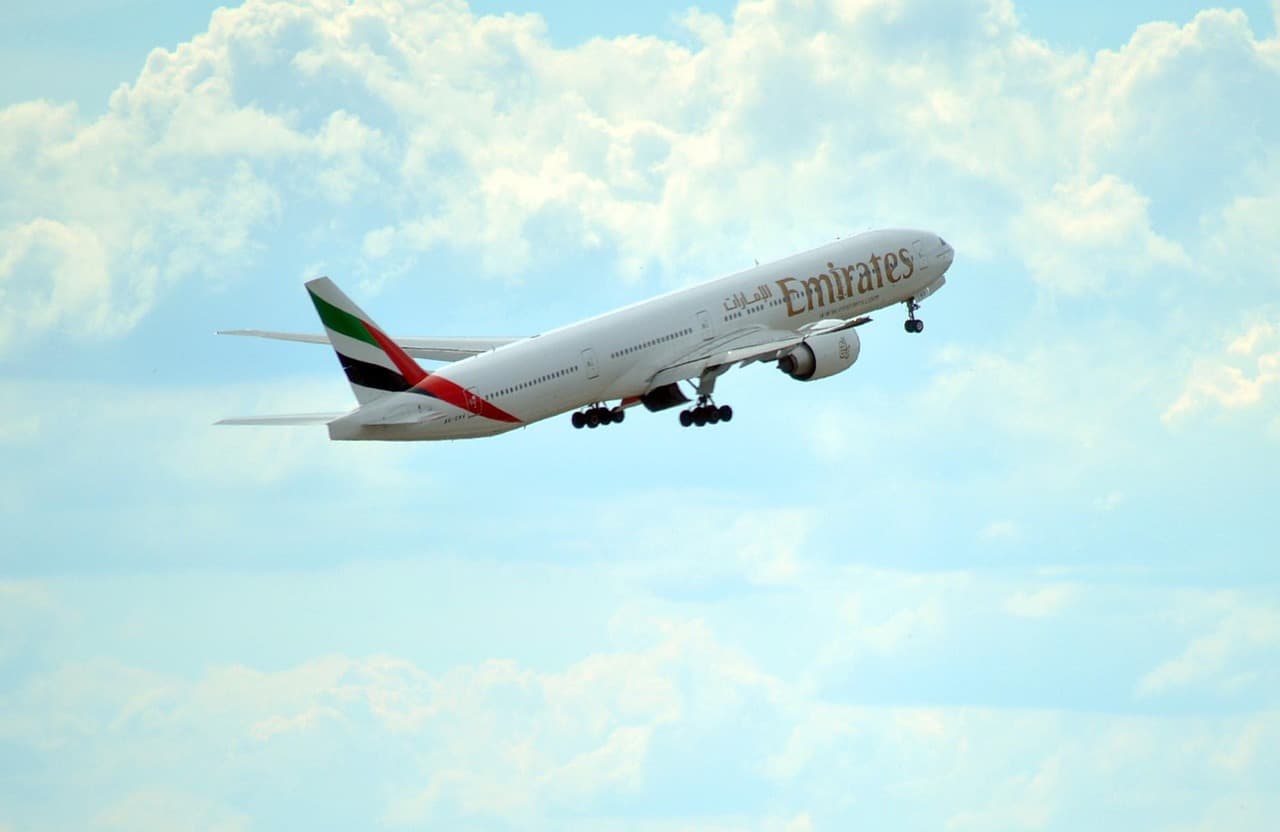
Middle East Aviation Crisis
Medium Confidence
Middle East Air Travel Crisis: What Comes Next After US-Israeli Strikes on Iran
8 predicted events · 16 source articles analyzed · Model: claude-sonnet-4-5-20250929
# Middle East Air Travel Crisis: What Comes Next After US-Israeli Strikes on Iran
The Current Situation
The Middle East is experiencing its most severe aviation disruption since the COVID-19 pandemic, triggered by a massive US-Israeli military operation against Iran that began on February 28, 2026. The conflict escalated dramatically when Iranian Supreme Leader Ayatollah Ali Khamenei was killed in the strikes (Article 9), prompting Iran to launch widespread retaliatory attacks across the region using ballistic missiles and drones. At least eight countries have closed their airspace, including Iran, Israel, Iraq, Jordan, Qatar, Bahrain, Kuwait, and the UAE (Article 15). Dubai International Airport—the world's busiest by passenger traffic—has been effectively shut down after being hit by debris from intercepted Iranian projectiles (Article 11). One person was killed and 11 injured at Dubai and Abu Dhabi airports from falling debris (Article 5), while Dubai's critical Jebel Ali Port has also sustained damage (Article 8). Thousands of flights have been cancelled globally, with Hong Kong alone reporting at least 37 grounded flights to the Middle East (Article 2). The UAE took the extraordinary step of closing its stock markets for two days to avoid a potential market meltdown (Article 3). Even global postal services have been affected, with Hongkong Post suspending airmail to 24 countries across the Middle East, Africa, and Central Asia (Article 4).
Key Trends and Signals
Several critical patterns emerge from the current crisis: **1. Cascading Infrastructure Vulnerability**: The attacks revealed how exposed Gulf aviation hubs are to regional conflict. Despite defensive systems intercepting many projectiles, falling debris caused significant damage to airports and ports—critical nodes in global supply chains. **2. Economic Contagion Beyond the Conflict Zone**: Hong Kong's Financial Secretary Paul Chan warned of "significant global uncertainty," expecting increased volatility in financial markets, fluctuating commodity prices, and rising international trade costs (Article 9). This signals that economic impacts will extend far beyond the immediate conflict zone. **3. Prolonged Disruption Timeline**: Airlines are planning suspensions extending multiple days into the future. Cathay Pacific suspended Dubai flights until Thursday and Riyadh flights until Tuesday (Article 2), suggesting carriers expect the crisis to persist well beyond initial assessments. **4. Humanitarian Pressure Building**: At least 131 Hong Kong residents are stranded in the region (Article 6), and hundreds of passengers are packed into airports seeking answers (Article 10). This pattern is likely replicated globally, creating mounting pressure on governments and airlines.
Predictions: What Happens Next
### Short-Term (1-2 Weeks) **Gradual, Selective Airspace Reopening**: We can expect a phased reopening of airspace, but it will be selective and fragile. Countries like Qatar, UAE, and Jordan—which host US military bases but weren't primary targets—will likely reopen first, possibly within 3-5 days, though under enhanced security protocols and potentially with restricted flight paths avoiding Iranian airspace. However, Iranian airspace will remain closed significantly longer. With the supreme leader killed and the country in political transition, Iran's civil aviation authority will prioritize military operations and security over commercial aviation. Expect Iranian airspace closure to extend 2-3 weeks minimum. **Alternative Routing Crisis**: As airspace reopens patchily, airlines will be forced to use significantly longer routes to avoid conflict zones. This will create a secondary wave of flight cancellations as aircraft range limitations, crew duty time restrictions, and fuel costs make many routes economically unviable. European and Asian carriers relying on Middle Eastern transit routes will be particularly affected. **Oil Price Spike and Stabilization**: Iran exports approximately 1.9 million barrels per day (Article 9). The immediate shock will drive oil prices upward 15-25%, but this will partially stabilize within two weeks as strategic reserves are released and other OPEC members increase production. However, prices will settle at a higher baseline than pre-conflict levels. ### Medium-Term (1-3 Months) **Permanent Route Restructuring**: Airlines will begin fundamental restructuring of their route networks. Dubai and Doha's roles as global aviation hubs will be questioned, with carriers diversifying transit points to reduce Middle East dependency. This represents a potential permanent shift in global aviation geography, benefiting hubs in Turkey, India, and potentially Central Asia. **Insurance and Operating Cost Revolution**: Aviation insurance premiums for Middle East operations will skyrocket. Combined with higher fuel costs and longer routing requirements, this will make some routes permanently uneconomical. Expect airline consolidation and potential failures among carriers heavily exposed to Middle Eastern routes. **Political Succession Crisis in Iran**: With Khamenei dead, Iran will face its most significant political transition since 1989. The succession process, typically managed carefully over time, is now happening during active conflict. This creates unpredictability that will keep regional tensions elevated and airspace restrictions in place longer than purely military considerations would dictate. **Gulf States Strategic Recalculation**: The UAE and other Gulf states that were hit by Iranian retaliation despite not directly participating in the strikes (Article 5) will face a difficult choice: maintain close US military ties while remaining vulnerable to Iranian retaliation, or seek accommodation with whatever government emerges in Tehran. This recalculation will affect long-term regional stability and aviation security. ### What to Watch Key indicators that will signal how this crisis evolves: - **Iran's succession process**: A quick, unified transition suggests faster regional stabilization; contested succession means prolonged instability - **US military posture**: Whether US forces remain in elevated alert status or begin drawing down will signal conflict trajectory - **Oil market behavior**: Sustained high prices indicate markets expect prolonged disruption - **Airline booking patterns**: Forward bookings for Middle East routes 3-6 months out will reveal industry confidence levels - **Insurance market responses**: Premium changes will provide the most honest assessment of long-term risk
Conclusion
The current crisis represents more than a temporary aviation disruption—it's a potential inflection point in global aviation geography and Middle Eastern geopolitics. While some normalization will occur within weeks, the structural changes to route networks, operating costs, and regional stability will persist for years. The death of Iran's supreme leader during active conflict introduces a variable that makes medium-term predictions inherently uncertain, but the aviation industry's immediate response suggests stakeholders are preparing for a prolonged period of heightened risk and operational complexity in the Middle East theater.
Share this story
Predicted Events
High
within 3-7 days
Selective airspace reopening in Qatar, UAE, Jordan, and Kuwait for commercial flights
These countries host US bases but weren't primary conflict participants. Economic pressure from aviation shutdowns and need to resume operations will drive reopening once immediate retaliatory strikes conclude.
High
2-3 weeks minimum
Iranian airspace remains closed to commercial aviation
Political succession crisis following Khamenei's death, ongoing military operations, and security concerns will keep Iranian airspace closed significantly longer than neighboring countries.
High
within 1 week
Oil prices spike 15-25% above pre-conflict levels
Iran's 1.9 million barrels per day production disrupted, regional instability affecting shipping through Persian Gulf, and market uncertainty will drive immediate price increases.
Medium
within 1-2 months
Major airlines announce permanent route restructuring away from Middle East hubs
Insurance costs, longer routing requirements, and vulnerability exposed by this crisis will force strategic recalculation of Middle East-dependent hub models.
High
within 2-4 weeks
Aviation insurance premiums for Middle East operations increase 50-200%
Physical damage to Dubai and Abu Dhabi airports, demonstrated vulnerability of Gulf infrastructure, and ongoing regional instability will force insurance market repricing.
Medium
within 1-2 weeks
Secondary wave of flight cancellations due to routing and crew limitations
As airspace partially reopens, airlines attempting alternative routes will face range, crew duty time, and fuel cost constraints making many flights unviable.
Medium
within 2-3 months
At least one major carrier with heavy Middle East exposure announces financial distress or bankruptcy
Combined impact of route cancellations, higher insurance and fuel costs, and reduced demand for Middle East travel will push financially vulnerable carriers past breaking point.
Medium
within 1-3 months
Contested succession crisis in Iran extends regional instability
Khamenei's unexpected death during active conflict prevents orderly succession process, creating power vacuum and potential for internal Iranian conflict that prolongs regional tensions.