Bird Flu Marine Spread
High Confidence
California's Elephant Seal Bird Flu Outbreak Signals Broader Marine Mammal Crisis and Heightened Surveillance
7 predicted events · 6 source articles analyzed · Model: claude-sonnet-4-5-20250929
Current Situation: First Confirmed H5N1 Outbreak in California Marine Mammals
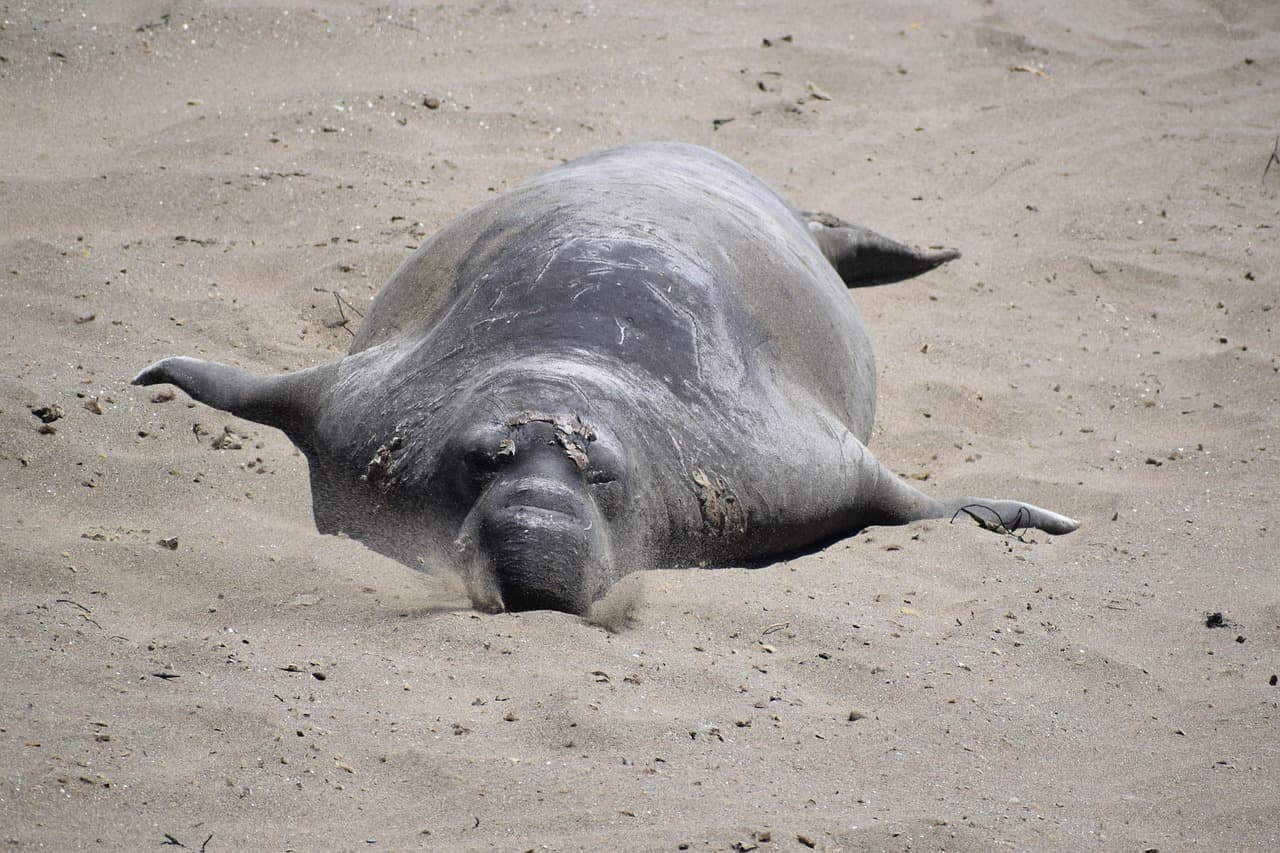
California wildlife authorities have confirmed the state's first outbreak of highly pathogenic avian influenza (HPAI H5N1) in marine mammals, specifically among northern elephant seals at Año Nuevo State Park in San Mateo County. According to Articles 1, 3, and 6, seven seal pups have tested positive for the virus, with several more showing symptoms. The U.S. Department of Agriculture's National Veterinary Services Laboratory confirmed the outbreak on Tuesday, February 24, 2026, prompting immediate closure of the park's popular seal-watching tours for the remainder of the breeding season. Article 2 emphasizes the significance of this detection, noting that researchers from UC Santa Cruz and UC Davis identified what is likely "the very first cases" due to coordinated surveillance teams that have been on high alert. This represents "exceptionally rapid detection of an outbreak in free-ranging marine mammals," according to Christine Johnson, director of the Institute for Pandemic Insights at UC Davis.
Key Trends and Signals
### Global Pattern of Marine Mammal Vulnerability The California outbreak fits within a disturbing global pattern. As noted across multiple articles, the worldwide bird flu outbreak that began in 2020 has already devastated marine mammal populations in South America and North America. The virus has killed thousands of sea lions in Chile and Peru, thousands of elephant seals in Argentina, and hundreds of seals in New England. The consistency of these outbreaks across different continents suggests that pinnipeds (seals and sea lions) are particularly susceptible to H5N1, likely due to biological factors related to their immune systems or the virus's ability to replicate in marine mammal physiology. ### Enhanced Surveillance Infrastructure The rapid detection in California indicates that surveillance systems have significantly improved since earlier outbreaks. Article 2 highlights that multiple agencies have been conducting "active surveillance" and maintaining high alert status. This proactive approach contrasts with earlier outbreaks that were often discovered only after mass mortality events. ### Timing and Breeding Season Vulnerability The outbreak occurring during peak breeding season at Año Nuevo—when thousands of elephant seals congregate to fight, mate, and give birth—presents maximum risk for rapid transmission. The dense aggregation of animals in rookeries creates ideal conditions for viral spread.
Predictions: What Happens Next
### Immediate Term (1-4 Weeks) **Expanding Case Numbers**: The outbreak will likely worsen before it stabilizes. Given the congregation of thousands of elephant seals at Año Nuevo and the fact that "several more" animals are already showing symptoms beyond the seven confirmed cases, we should expect case numbers to increase significantly. The breeding season aggregation means maximum transmission potential, and the virus's demonstrated lethality in other seal populations suggests substantial mortality is probable. **Additional California Sites Affected**: Surveillance will likely detect H5N1 at other California marine mammal colonies within the next few weeks. California's coast hosts numerous seal and sea lion rookeries, and the virus's presence at Año Nuevo suggests it has already entered West Coast marine mammal populations. Facilities like the Channel Islands, Point Reyes, and other breeding sites will be priority surveillance locations. ### Medium Term (1-3 Months) **Regional Spread Along Pacific Coast**: The outbreak will likely expand northward to Oregon and Washington, and potentially southward to Southern California and Baja California. Marine mammals migrate along the Pacific coast, and elephant seals in particular travel vast distances. Article 3 notes that this is part of a global pattern affecting wildlife "around the world," and the Pacific Flyway for migratory birds overlaps with marine mammal habitats, providing multiple transmission pathways. **Increased Human-Animal Interface Monitoring**: Public health authorities will intensify monitoring of people who work with marine mammals—including researchers, rescue workers, and veterinarians. While Article 1 notes the virus is "considered to be a low risk to humans," the unprecedented spread to mammals raises concerns about potential adaptation. California will likely implement mandatory reporting protocols and potentially testing requirements for at-risk personnel. **Economic Impact on Coastal Tourism**: The closure of Año Nuevo tours represents just the beginning of economic disruption. Other California state parks and wildlife viewing areas will likely implement similar restrictions, affecting the substantial wildlife tourism economy. The "annual spectacle" that "draws tourists and wildlife watchers" generates significant revenue, and prolonged closures will impact local economies dependent on ecotourism. ### Longer Term (3-6 Months) **Federal Emergency Response Coordination**: The outbreak will likely trigger enhanced federal coordination under USDA and potentially FEMA wildlife disease emergency protocols. The multi-agency response already underway will expand to include more resources for surveillance, carcass removal, and public health monitoring. **Research Investment Surge**: Expect substantial new funding for research into H5N1 transmission mechanisms in marine mammals, vaccine development possibilities, and ecosystem-level impacts. Article 2's mention of the "Institute for Pandemic Insights" signals that this outbreak will be treated as having implications beyond wildlife conservation, potentially informing broader pandemic preparedness. **Permanent Changes to Wildlife Viewing Protocols**: California and other states will likely implement permanent protocols for managing wildlife viewing during disease outbreaks, including rapid closure mechanisms, distance requirements, and public education campaigns. The current closure may become a template for future responses.
Risk Factors and Uncertainties
The primary uncertainty concerns the virus's potential for adaptation. Each marine mammal infection provides opportunities for H5N1 to evolve. While currently considered low risk to humans, the virus's expansion from birds to diverse mammal species is unprecedented in this outbreak's scale. The breeding season timing is particularly concerning—high-density populations facilitate not just transmission but potentially viral evolution through serial passage between hosts. Climate change may also play a role that bears watching. Altered marine ecosystems, changing prey distributions, and stressed animal populations may increase disease susceptibility, though this connection requires further research to confirm.
Conclusion
The Año Nuevo outbreak represents a critical inflection point for H5N1 on the West Coast. The rapid detection demonstrates improved preparedness, but the virus's arrival in California's marine mammal populations signals an expanding geographic threat. Stakeholders should prepare for a multi-month crisis affecting wildlife, tourism, and research operations along the Pacific coast, with potential implications for public health surveillance and pandemic preparedness infrastructure.
Share this story
Predicted Events
High
within 2-3 weeks
Case numbers at Año Nuevo State Park will increase significantly, likely reaching dozens or hundreds of confirmed infections
The dense congregation of thousands of elephant seals during breeding season, combined with multiple animals already showing symptoms beyond confirmed cases, creates ideal transmission conditions. Historical outbreaks in Argentina and elsewhere showed rapid spread in similar circumstances.
High
within 1 month
H5N1 will be detected at additional California marine mammal colonies, particularly at Channel Islands and Point Reyes
Enhanced surveillance is now active at other sites, and elephant seals migrate between rookeries. The virus's presence at one site strongly suggests broader coastal contamination through either bird transmission or marine mammal movement.
High
within 1 month
Tourist closures will expand to other California coastal parks and wildlife viewing areas
Precautionary public health measures and the precedent set by Año Nuevo's closure will drive similar actions at other sites, especially once additional cases are detected elsewhere along the coast.
Medium
within 2-3 months
The outbreak will spread to Oregon and Washington marine mammal populations
Marine mammals and migratory birds move along the Pacific coast. Previous outbreaks showed regional spread patterns, and the Pacific Flyway facilitates transmission vectors. However, timing depends on animal movement patterns and may be delayed.
Medium
within 2 months
California will implement mandatory H5N1 testing protocols for researchers and workers in contact with marine mammals
Public health agencies have been tracking H5N1 since 1996 and are highly alert to mammalian infections. The expansion to marine mammals, combined with existing surveillance infrastructure, will likely trigger enhanced human monitoring protocols.
Medium
within 3 months
Federal authorities will declare a wildlife health emergency for the Pacific coast region
If the outbreak expands to multiple sites and states as predicted, federal coordination will become necessary. The multi-agency response already activated suggests frameworks are in place for escalation.
Medium
within 3-4 months
Significant economic impact on California coastal tourism, exceeding $10 million in lost revenue
Año Nuevo alone attracts thousands of tourists annually. Extended closures across multiple popular wildlife viewing sites during peak season will accumulate substantial economic losses, though exact figures depend on outbreak duration and scope.