voiceofvienna.org
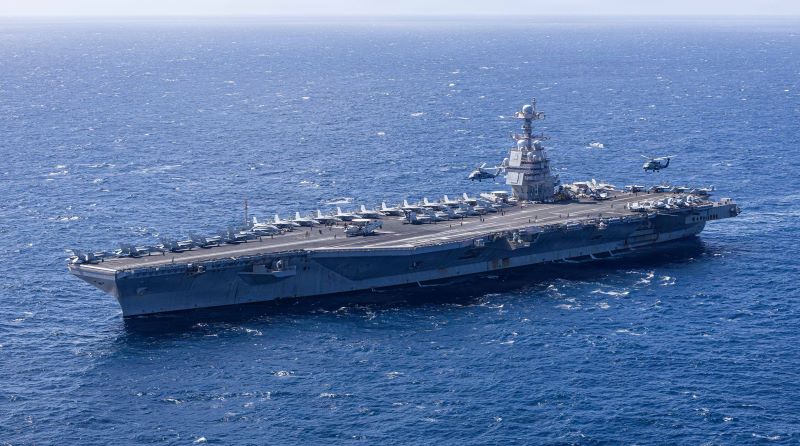
World Largest Aircraft Carrier USS Gerald R Ford Enters Mediterranean As US - Iran War Threat Grows
voiceofvienna.org · Feb 23, 2026 · Collected from GDELT
Summary
Published: 20260223T040000Z
Full Article
In the shimmering blue expanse of the Mediterranean Sea, a colossal symbol of American power has arrived, casting long shadows over the volatile waters of international diplomacy. On February 20, 2026, the USS Gerald R. Ford, the world’s largest and most advanced aircraft carrier, passed through the Strait of Gibraltar, marking a dramatic escalation in the brewing standoff between the United States and Iran. This mighty vessel, stretching over 1,000 feet and carrying dozens of fighter jets, was ordered into the region by President Donald Trump as part of a massive military buildup. It joins the USS Abraham Lincoln, creating a rare dual-carrier presence that significantly boosts U.S. airstrike capabilities in the Middle East. Accompanied by destroyers like the USS Winston S. Churchill, USS Bainbridge, and USS Mahan, the Ford’s strike group sailed from the Caribbean, extending its deployment despite calls for maintenance. The move comes as tensions with Iran reach a boiling point. Nuclear talks hang by a thread, with Trump warning of “bad things” if Tehran doesn’t strike a “meaningful” deal. Iran, meanwhile, conducted joint military drills with Russia, including live-fire exercises in the Strait of Hormuz, signaling readiness for conflict. Tracking data briefly revealed the Ford off Morocco’s coast before it entered the Mediterranean, potentially heading toward Israel’s shores or deeper into the region. This naval surge, the largest U.S. air presence in the Middle East since 2003, underscores the fragile line between diplomacy and war. As the Ford’s decks hum with activity, the world watches, wondering if these giants of the sea will bring peace or ignite the flames of confrontation.
Share this story