krmg.com
Clustered Story
Women urged not to ignore subtle heart attack symptoms as cases rise in younger adults
krmg.com · Feb 27, 2026 · Collected from GDELT
Summary
Published: 20260227T203000Z
Full Article
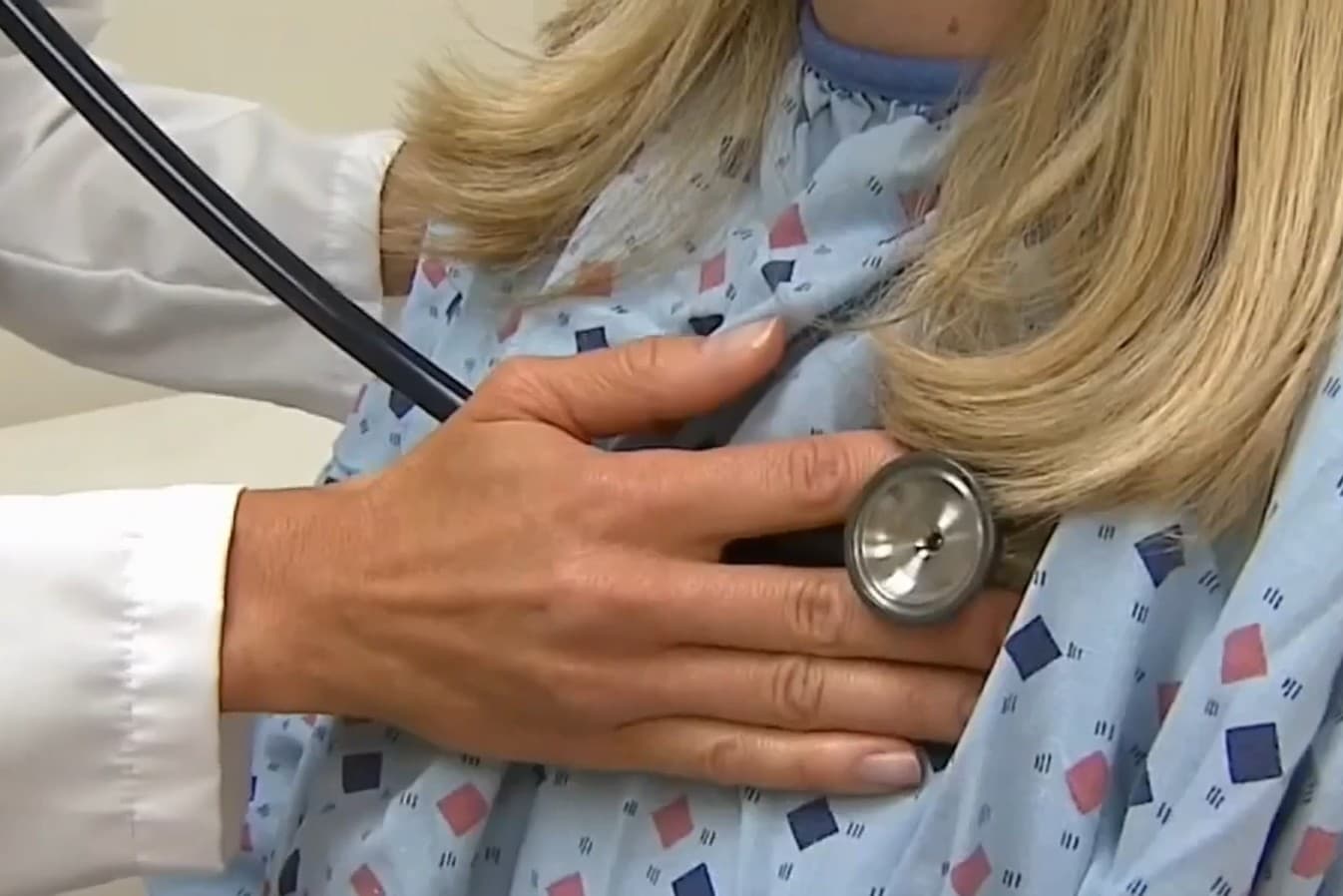
By Bailey Coyle, Fox23 News New research from the American Heart Association shows more women ages 18-54 are more likely to die after a first attack than men. Dr. Arash Karnama, an interventional cardiologist with OSU Medicine, says one of the biggest concerns is that women often don’t experience the “classic” heart attack symptoms — and may wait too long to seek help. “We’ve known for years that the one group of patients that tend to have delayed care and atypical symptoms are women,” Karnama said. “Delayed care and lack of access to care are big issues.” Atypical symptoms often ignored While many people associate heart attacks with crushing chest pain that radiates down the left arm, Karnama says symptoms in women can look very different. Those may include: Upper back pain Nausea during activity Shortness of breath Severe fatigue Neck pain with exertion Lightheadedness or heart racing with minimal activity “Sometimes women ignore subtle symptoms for weeks or months until they become so severe they end up in the emergency room,” Karnama said. He urges patients to pay attention to changes in their normal routine. “If you’re used to walking to check your mailbox and suddenly you’re getting upper back pain doing that — that’s the time to go to your doctor and get a workup,” he said. Blockages can turn dangerous quickly Some symptoms may represent a stable blockage in an artery that can be evaluated over time. But others may signal an unstable blockage that can suddenly worsen. “Someone can have pretty mild symptoms that suddenly become severe,” Karnama explained. He also says anyone can have a heart attack, not just older people. “There’s bias in the way patients are treated because providers may have a ‘typical’ heart attack patient in mind,” he said. “But we’ve had marathon runners come in with heart attacks. We’ve had very healthy-looking people with severe coronary artery disease.” Younger adults not immune Recent data from the American Heart Association shows heart disease is impacting younger people more frequently. “There’s no age cutoff,” Karnama said. “If someone comes in with classic symptoms — even if they’re in their 20s — it depends on their risk factors.” He says stress may also play a role, contributing to high blood pressure, poor sleep and other health issues that increase heart risk. Women often put themselves last Karnama says many women prioritize family responsibilities over their own health. “Women tend to be the moms and spouses taking care of everyone else — and they fall last on the list,” he said. “But unless you’re healthy, you won’t be able to do those things.” He encourages women to schedule appointments and make time for preventive care. “It will pay dividends,” he said. How to lower your risk Karnama recommends: At least 150 minutes of moderate exercise per week Maintaining a healthy weight Limiting processed foods Managing stress Establishing care with a trusted primary care provider Not ignoring new or changing symptoms “The main takeaway is you’re not immune to heart disease,” Karnama said. “It’s striking people earlier than before. Establish care with a provider you trust — and don’t ignore the symptoms.” Health experts say recognizing warning signs early and seeking care quickly can be lifesaving — especially for younger women who may not realize they’re at risk.
Share this story