South China Morning Post
Clustered Story
Why AI disruption isn’t a major threat to India’s booming office market
South China Morning Post · Feb 23, 2026 · Collected from RSS
Summary
Concerns about the impact of generative artificial intelligence (AI) abound. At the end of last year, uncertainty over the monetisation of AI was the dominant theme in stock markets. Many investors are worried about the mismatch between the vast sums of money being spent on computing power and the relatively meagre revenues from AI companies and services. While monetisation remains a major concern among investors, fears about AI tools undermining the viability of established business models have...
Full Article
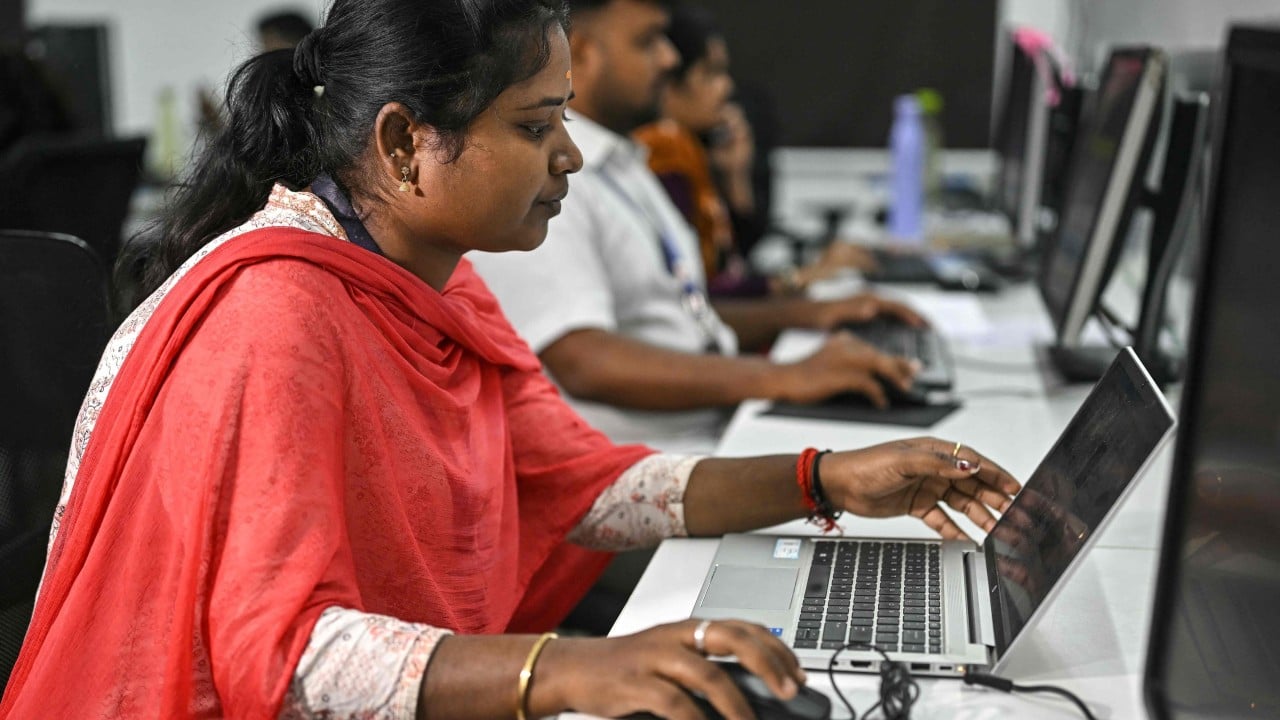
Concerns about the impact of generative artificial intelligence (AI) abound. At the end of last year, uncertainty over the monetisation of AI was the dominant theme in stock markets. Many investors are worried about the mismatch between the vast sums of money being spent on computing power and the relatively meagre revenues from AI companies and services.While monetisation remains a major concern among investors, fears about AI tools undermining the viability of established business models have intensified in recent weeks. The launch of new AI agents that can be customised to specific industries and are capable of carrying out a range of tasks for non-technical workers led to a dramatic sell-off in software companies earlier this month.The shares of software-as-a-service (SaaS) firms, which make their money from applications that can be purchased over the internet, have borne the brunt of fears about AI disruption.In the real estate industry, worries over demand for office space – which were rife during the acute phase of the Covid-19 pandemic but abated in response to stricter return-to-office mandates in several countries – have resurfaced as speculation mounts that AI-driven displacement of entry-level jobs will reduce office-based employment.While the impact of AI on employment and office space in the United States has come under scrutiny, India is the country to watch. The nation’s world-renowned information technology (IT) services and outsourcing industry is a juggernaut, accounting for more than 7 per cent of economic output. Exports, mainly to the US and Europe, comprised 80 per cent of the sector’s revenues last year.India, the world’s fastest-growing major economy, adds 1.5 million engineers to its vast talent pool every year. Bengaluru, India’s Silicon Valley, is a leading tech talent market in Asia and home to the research and development centres of many multinational firms.
Share this story