thestar.com.my
What end - of - life care in an ICU means
thestar.com.my · Feb 23, 2026 · Collected from GDELT
Summary
Published: 20260223T124500Z
Full Article
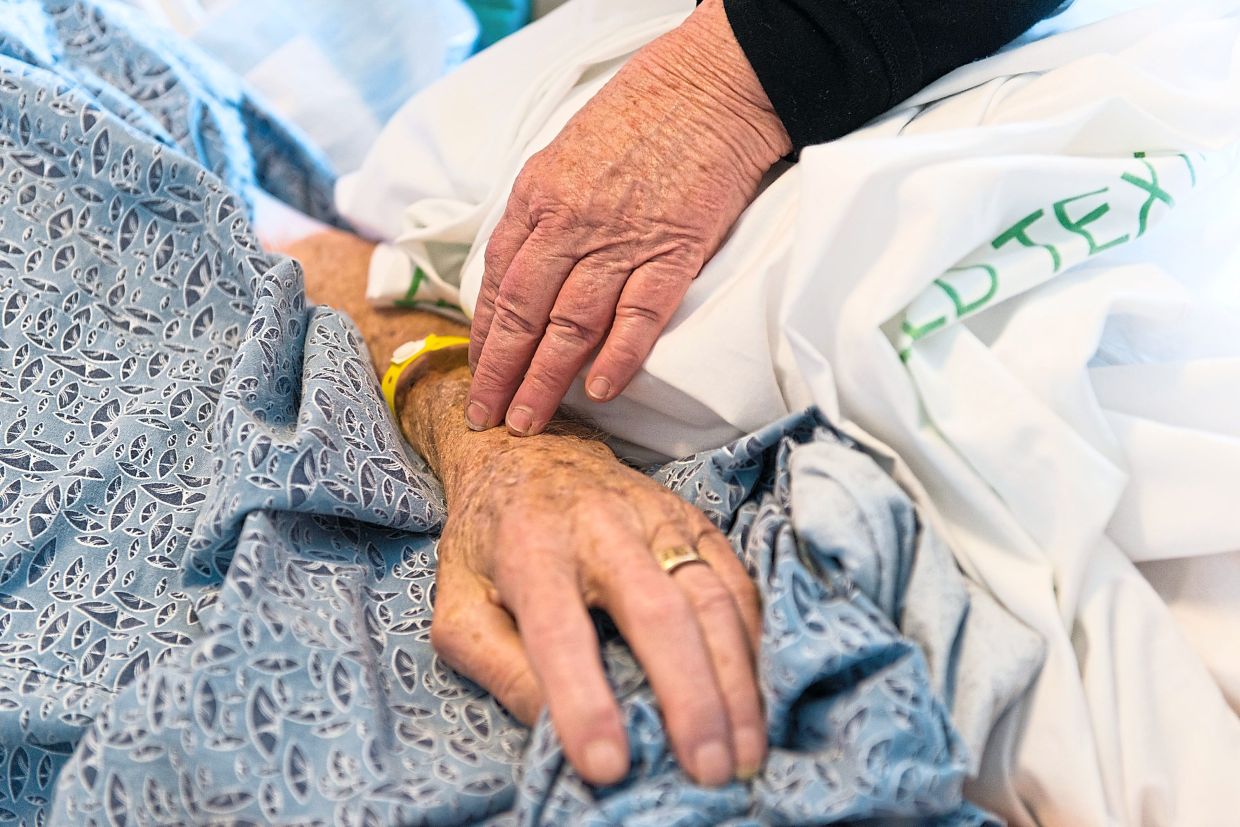
When 68-year-old Encik R was admitted to the intensive care unit (ICU) after a severe stroke, his family hoped the machines and medicines would help him recover.For days, they watched him connected to breathing tubes (ventilator) and intravenous fluids, surrounded by the constant beeping of monitors.But despite the best treatment, his condition did not improve.Eventually, the doctors discussed with his family to consider a different direction of care as cure was no longer a realistic outcome: instead of continuing invasive treatments – should the focus now be on ensuring his comfort and dignity?This delicate transition – from cure to comfort, from prolonging life to allowing a peaceful passing, is what we call end-of-life care.Passing on peacefullyEnd-of-life care refers to the support given when it becomes clear that recovery is no longer possible.Instead of trying to cure, it focuses on comfort, dignity and reducing suffering in a patient’s final days or hours.It is not about “giving up.”Rather, it recognises that when medicine can no longer restore health, its role is to ensure that the patient’s last moments are peaceful, humane and surrounded by compassion.ICUs are equipped with ventilators, dialysis, strong medications and around-the-clock monitoring to stabilise patients and give them a shot at recovery. — dpaWhy it matters in the ICUICUs are designed to save lives.Ventilators, dialysis, strong medications and around-the-clock monitoring are all aimed at stabilising patients and giving them a chance at recovery.But not all patients survive, even with the most advanced interventions.Here is why end-of-life care is important in the ICU:> Preserving dignityICU procedures are often invasive.When recovery is no longer possible, shifting focus to comfort ensures patients do not endure unnecessary pain or undignified treatments.> Respecting patient wishesMany people do not want prolonged life if it only prolongs suffering.End-of-life care honours these wishes.> Supporting familiesSeeing a loved one struggle in the ICU is emotionally overwhelming.Guidance and counselling help families understand the medical situation and make decisions with less guilt.> Improving the quality of deathJust as we speak about quality of life, the quality of death matters too.A calm, pain-free passing surrounded by loved ones is far more humane than a prolonged struggle on machines.> Respecting culture and faithIn Malaysia, religion and family are central.End-of-life care allows space for prayers, recitations and family presence at the bedside.> Optimising ICU resourcesWhile not the main reason, it is true that ICU beds are limited.Providing end-of-life care when appropriate ensures resources are available for those who may benefit from aggressive treatment.Challenges in MalaysiaDespite its importance, end-of-life care remains challenging.> Awareness and acceptanceFamilies often hope for miracles, despite doctor’s explanation that recovery is no longer possible.It is important to realise that stopping treatment does not mean “abandoning” the patient.Rather it is a transition to comfort and dignity for the dying.> Cultural sensitivityTalking about death is sometimes seen as taboo.Families may feel it is disrespectful or unlucky to discuss it.This makes it harder and delays the conversation on end-of-life care.These conversations are important and should not be miscontrued when families are approached for this discussion.> Legal uncertaintiesSome doctors fear that withholding or withdrawing treatment could be misinterpreted as negligence.However, ethically inappropriate treatment should not be continued.National guidelines on this are still evolving.> Emotional burden on healthcare staffDoctors and nurses also carry the weight of these decisions.Explaining to families and witnessing suffering can take a toll on them too.What end-of-life care looks like in the ICUEven in a high-tech environment, end-of-life care is about simple, humane measures:> Comfort and symptom reliefPainkillers, sedatives and oxygen may be given to ease discomfort.Nurses provide oral care, reposition patients and ensure they are comfortable and at peace.> Withholding or withdrawal of treatmentsTreatments that no longer help may be stopped.For example, mechanical ventilation (breathing tube) may be removed if it only prolongs suffering.Dialysis that no longer improve quality life e.g. in a severe stroke patient may be discontinued.> Family presenceFamilies are encouraged to spend time at the bedside: to pray, hold hands, talk and say their goodbyes.> Spiritual supportReligious officers or hospital chaplains provide guidance, recitations, or prayers according to the patient’s faith.Families play a roleIn Malaysia, families are central to decision-making.When patients cannot speak for themselves, loved ones act as their voice.Doctors will explain the medical facts, prognosis and likely outcome.However, a family consensus is needed whether to continue treatment or shift to comfort care, based on the doctor’s explanation as this is a shared decision making process.This is not easy.Many feel guilty, fearing they are “letting go.”But choosing comfort care is not abandonment; it is allowing a loved one to pass on with dignity and love.Skill of healthcare workersDoctors and nurses must balance honesty with compassion.They must communicate clearly about prognosis and options, support families emotionally and ensure the patient is comfortable and free of pain.Some Malaysian hospitals are introducing training in palliative and end-of-life care for ICU staff, recognising that these conversations require skill, sensitivity, and cultural awareness.Religious beliefsFor many Malaysians, faith shapes how death is approached.Families often request prayers or rituals at the bedside: Quranic recitations for Muslims, Christian and Hindu prayers, and Buddhist chants.Allowing these practices not only comforts families but also affirms that death is not just a medical event – it is a spiritual journey.Moving forwardTo improve end-of-life care, Malaysia can take several steps:> Clear national guidelinesWe need national policies to guide healthcare professionals on when and how to transition to end-of-life care.> Public awarenessEncourage Malaysians to talk openly about death and dying and personal wishes and values.This is crucial for helping individuals and families making informed, compassionate decisions before they are faced with a medical crisis.> Training healthcare staffEquip ICU teams with palliative care knowledge and communication skills.> Family-centred careEnsure doctors and families practise shared decision-making when intensive treatment is inappropriate.Allow family presence and prayers.A call to conversationAs a society, we must ask ourselves: What does a good death mean?How can we support each other in these hardest moments?Death is a certainty of life, yet many of us avoid talking about it.End-of-life care is not about choosing death, but about choosing dignity, peace and compassion when curative medicine has done all it can.Encik R’s story is one faced by many Malaysian families.By talking openly, respecting faith and culture, and supporting both families and healthcare workers, we can ensure that in the ICU, patients are not only treated with the best of technology, but also with the best of humanity.Dr Shanti Rudra Deva is a retired intensivist and Dr Noor Airini Ibrahim is a consultant intensivist and senior lecturer at the Faculty of Medicine and Health Sciences, Universiti Putra Malaysia. This article is the last one in a three-part series on intensive care and is courtesy of the Malaysian Society of Intensive Care (MSIC). For more information, email starhealth@thestar.com.my. The information provided is for educational and communication purposes only, and should not be considered as medical advice. The Star does not give any warranty on accuracy, completeness, functionality, usefulness or other assurances as to the content appearing in this article. The Star disclaims all responsibility for any losses, damage to property or personal injury suffered directly or indirectly from reliance on such information.
Share this story