wxyz.com
US reverse - engineers captured Iranian drone , deploys new version to Middle East
wxyz.com · Feb 27, 2026 · Collected from GDELT
Summary
Published: 20260227T214500Z
Full Article
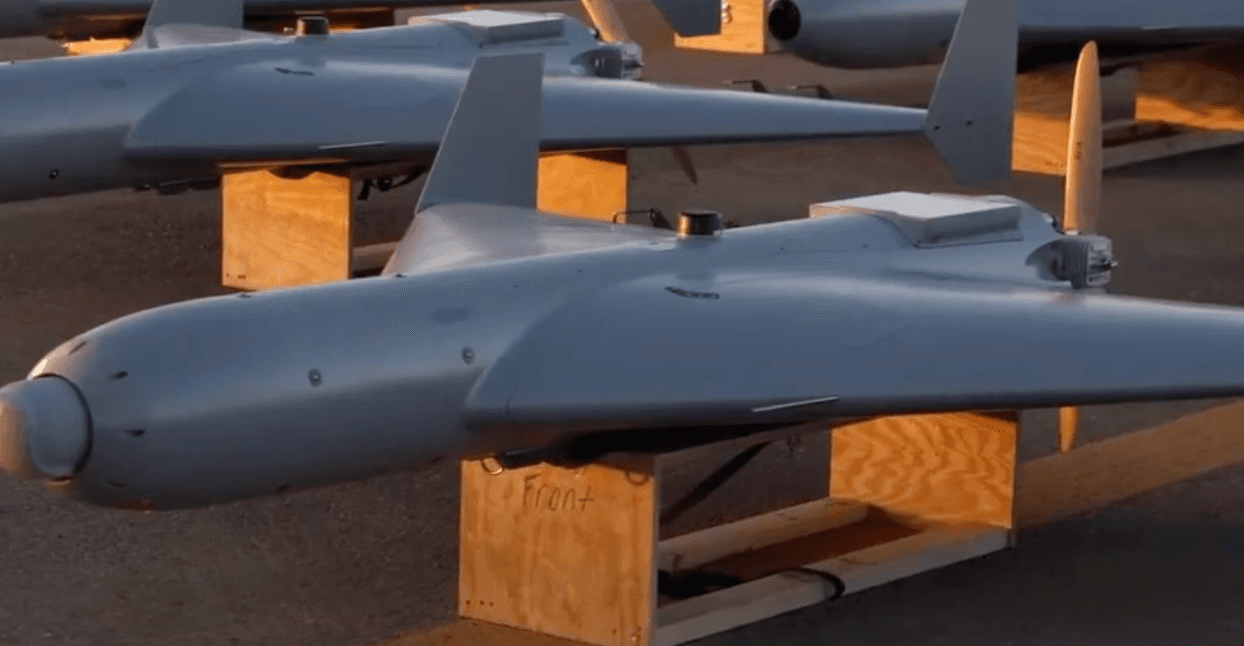
The LUKAS drone is designed to operate in GPS-denied environments and can be deployed in swarms. (Scripps News) The U.S. military has activated what officials describe as America’s first dedicated one-way attack drone squadron in the Middle East, marking a shift toward lower-cost unmanned weapons systems.The unit, known as Task Force Scorpion, will operate the LUKAS — short for Low-Cost Unmanned Combat Attack System — a one-way attack drone developed under the direction of U.S. Special Operations Command.The drone’s design was informed by analysis of Iran’s Shahed drones. U.S. personnel studied a captured system to better understand its construction and capabilities before developing their own version. RELATED STORY | US Embassy warns staff: Leave Israel now as risk of Iran clash growsThe LUKAS drone is designed to operate in GPS-denied environments and can be deployed in swarms. It is manufactured in Arizona at an estimated cost of about $35,000 per unit, which is significantly less expensive than many traditional precision-guided munitions.The system was successfully test-launched in December 2025 from the deck of the USS Santa Barbara in the American Sea. The vessel, homeported in San Diego, is currently deployed to the Middle East as part of a U.S. show of force in the region as tensions with Iran remain high. RELATED STORY | US military stages largest Middle East buildup since Iraq war amid heightened tensions with IranThe deployment reflects lessons drawn from recent conflicts, particularly in Ukraine, where low-cost drone systems have reshaped battlefield tactics and challenged more expensive weapons platforms.Traditional cruise missiles such as the Tomahawk can cost millions of dollars per unit. By contrast, lower-cost one-way attack drones offer militaries the ability to conduct precision strikes at a fraction of that cost.Copyright 2026 Scripps Media, Inc. All rights reserved. This material may not be published, broadcast, rewritten, or redistributed.
Share this story