chroniclelive.co.uk
Tyneside mum hits out at unthinkable decision not to approve transformational drug for rare genetic disease
chroniclelive.co.uk · Feb 27, 2026 · Collected from GDELT
Summary
Published: 20260227T204500Z
Full Article
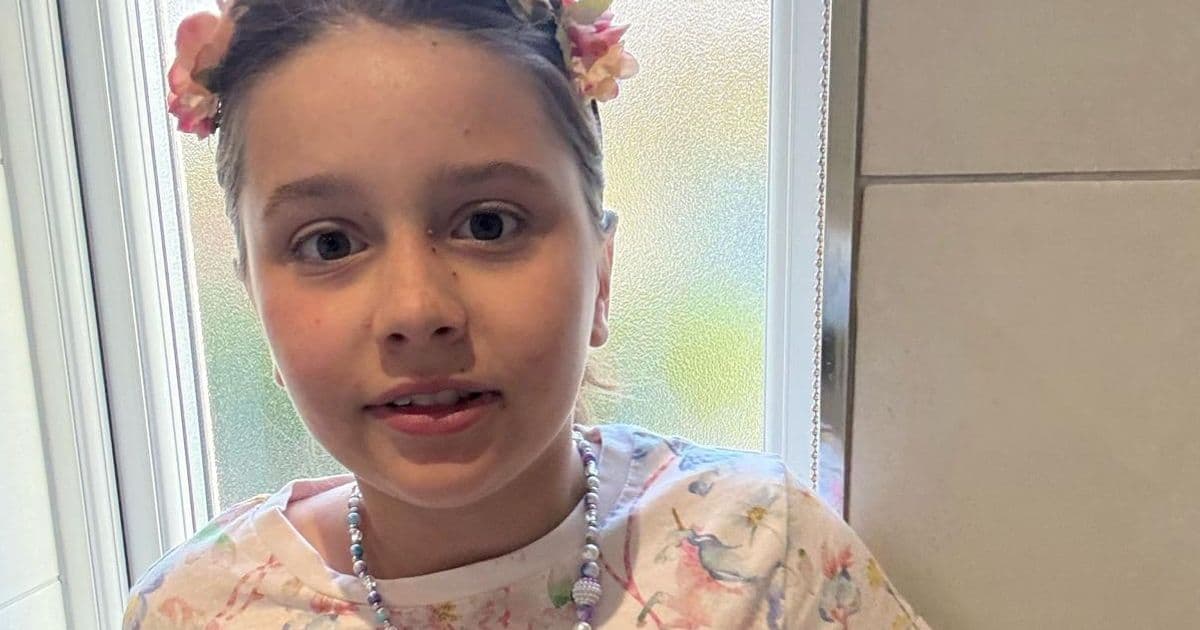
The Rich family have seen first hand how much the drug can help children with a devastating Batten disease diagnosis18:51, 27 Feb 2026A Tyneside mum has hit out at a "disgraceful" decision by health bosses not to approve a life-saving drug for children born with a debilitating genetic disease. For Gail Rich, the drug Brineura has been vital in helping both of her daughters to live with a better quality of life.For Nicole, who devastatingly died in late 2023, it was vital, while for Jessica it has meant the progression of her illness has been slowed to an incredible degree. Now, even though Jessica is "living proof" of the value of the treatment, the National Institute for Clinical Excellence has ruled against approving it for NHS use on the grounds that is not "cost-effective".This won't affect Jessica herself - anyone currently receiving Brineura will continue to do so - but anyone diagnosed now will not be able to receive it. Gail said this was devastating.The Throckley mum said: "They have acknowledged that the treatment is transformational. They've acknowledged that there's a lack of treatment options and they have acknowledged that given this decision, children will suffer. It's disgraceful."Gail addressed the NICE panel herself as a family representative. She added: "We didn't know what the outcome would be, but we definitely thought there was no way they were going to say no."Our ChronicleLive Daily newsletter is free. You can sign up to receive it here. It will keep you up to date with all the latest breaking news and top stories from the North East."Jessica is living proof this works", she added. "And there are other children around the country - all showing that if you get the treatment to the right child early enough, it can change their life."She said that the rarity of CLN2 Batten Disease - the particular form of the illness Brineura can help with - had not adequately been taken into account, and said she was so disappointed for families who could, even today, be finding out that their child has a devastating illness.Gail added: "Families will see how much of a difference this has made. And then they'll be told they can't have it. The unthinkable has happened."She said the onus was now not just on NICE but also on the pharmaceutical company - BioMarin - adding: "They are going to have to listen. Somebody is going to have to do something and I think the only quick fix there might be available now would be from the company."They have to show their commitment to changing children's lives. This decision has taken us back ten years. If someone was diagnosed three weeks ago they'd get it, but diagnosed today they won't."How can you have a cut-off [for price] on a life-saving medication. Children deserve the same chance Jessica has had. It's heartbreaking to think that there are families out there where they won't get that."Nicole was diagnosed with Batten disease in 2016, with Jessica's diagnosis following shortly afterwards. Both were able to access Brineura on a "managed access agreement" and because Jessica's illness was spotted so quickly - she was the youngest person to start treatment - it has had a transformational impact.Now, Gail said the fight would continue - and reiterated her family's determination to see Brineura made more widely available on the NHS. The Batten Disease Family Association, which the Rich's are a part of, has highlighted it "will continue to fight relentlessly for access to Brineura".In a heartbreaking social media post, Gail added: "Jessica has been having fortnightly infusions of Brinuera for nine years of her life. As everyone knows, she is a happy, vibrant ten year old girl, smiling her beautiful smile, filling our days with sunshine and laughter our hearts with love and pride."Without Brineura, children at this age would most likely be needing palliative care or they may not have reached their 10th birthday. This is the stark reality of untreated children and the committee knew that. Yet it wasn’t enough."The BDFA urged BioMarin to launch a "rapid review" and submit a new proposal that, the charity said, could allow children newly-diagnosed to access the medication "within weeks".Liz Brownnutt, chief executive of the BDFA, said: "“This is a heartbreaking and unacceptable decision. Newly diagnosed children with CLN2 Batten disease are being denied the only treatment that can slow this cruel, life-limiting condition."For families, this feels like hope being taken away at the very moment they need it most. We are calling on NICE and BioMarin to urgently resolve their differences and agree a fair deal that reflects the real value of Brineura for children and families. The BDFA will not stop fighting until every eligible child can access this treatment. These children cannot wait, time lost can never be recovered.”A spokesperson for BioMarin said: "BioMarin tried for more than a year to reach an agreement that would ensure access to BRINEURA for all children living with Neuronal Ceroid Lipofuscinoses (NCL) type 2 (CLN2)/Batten disease in England. While we were able to secure an agreement to provide access for children already on therapy, NICE recently announced its decision to deny our appeal for children not yet on therapy."BioMarin has made every reasonable effort to engage collaboratively. NICE acknowledges that BRINEURA has been effective in slowing the progression of CLN2. Despite this acknowledgment and our good faith participation in negotiations with NHS England, it was determined that the medicine did not meet NICE’s cost effectiveness threshold for children not yet on treatment."They added: "As a company, we remain deeply committed to supporting the CLN2 community and will continue to focus on securing sustainable access to BRINEURA for as many children as possible around the world. "In the full decision, the NICE panel wrote: "CLN2 is a type of Batten disease, which is a group of rare genetic disorders. It progresses rapidly, causing seizures and dementia, and gradual loss of speech, mobility and vision."It leads to greatly reduced quality of life and a shortened life expectancy. Cerliponase alfa has been available through the MAA but is not routinely available in the NHS. Standard care without cerliponase alfa is supportive, aiming to relieve symptoms, and maintain function and quality of life."The new evidence includes data from clinical trials and from children having treatment in the NHS in England. The clinical trial evidence shows that cerliponase alfa slows progression of CLN2. Patient experts and clinical experts have also explained that cerliponase alfa is a transformative treatment. But there is not much evidence about how well it works long term.Article continues below"The committee took into account the condition's rarity, severity and the effect of cerliponase alfa on quality and length of life. But using the proposed price of the medicine, the most likely cost-effectiveness estimate is not within what NICE considers an acceptable use of NHS resources for highly specialised technologies. So, cerliponase alfa is not recommended."The Department of Health and Social Care has been contacted for comment.Did you know you can make ChronicleLive a preferred source of North East news in Google, which will mean you get more of our breaking news, exclusives, and must-read stories straight away? Here's more information about what this means and how to do it - you can also do it straight away by clicking here.
Share this story