dailysabah.com
Clustered Story
Turkish scientists explore Antarctic algae , microbes for antivirals
dailysabah.com · Feb 22, 2026 · Collected from GDELT
Summary
Published: 20260222T150000Z
Full Article
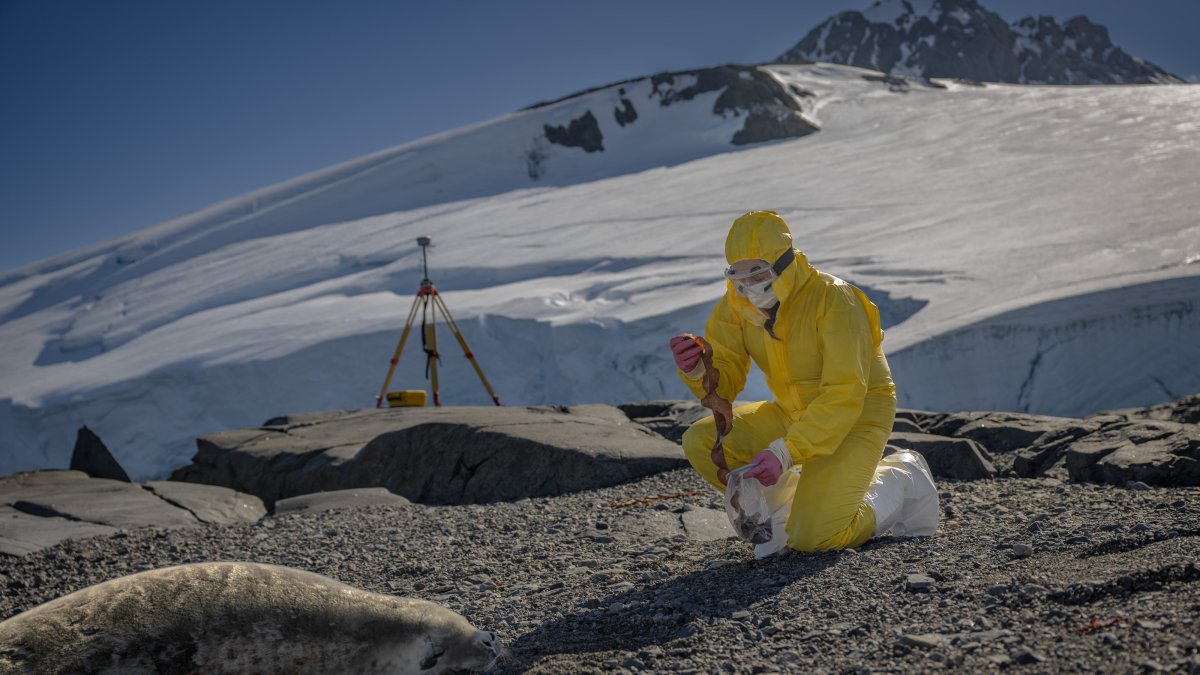
Turkish researchers are exploring Antarctica’s extreme ecosystems to develop new antiviral drug candidates and sustainable biofertilizer solutions, as part of the 10th National Antarctic Science Expedition coordinated by the Scientific and Technological Research Council of Türkiye's (TÜBITAK) MAM Polar Research Institute and under the Ministry of Industry and Technology. Despite the continent’s harsh, cold and dry conditions, the expedition is collecting samples from macroalgae, plants and soil microorganisms that thrive in extreme environments. Scientists say these organisms may produce powerful metabolites with potential applications in human health and agriculture. Researchers are examining natural compounds in Antarctic algae and plants to determine their effectiveness against viral proteases, aiming to identify new antiviral candidates. “Organisms that survive in extreme conditions may have unique biological properties that can be harnessed for drug development,” said Research Assistant Gözde Yeşiltaş Imamoğlu from Gebze Technical University. The team extracts bioactive molecules from samples to evaluate their potential in developing therapies. Scientists are analyzing microorganisms in Antarctic soils, focusing on their community structures and adaptation to extreme cold and aridity. Dr. Çağlar Sagun, participating through the Ministry of Agriculture and Forestry’s TAGEM Soil, Fertilizer, and Water Resources Central Research Institute, said the study assesses bacterial and fungal species for their potential use as microbial fertilizers. “The data we obtain could help develop new biofertilizers and climate-resilient strategies by leveraging organisms adapted to extreme environments,” he said. The expedition underscores that research in Antarctica extends beyond understanding polar ecosystems. Scientists stress that findings could address global challenges in health and agriculture, with every discovery offering insights relevant to humanity’s future. Imamoğlu noted the relevance of the work in light of recent viral pandemics, “COVID-19 has shown how unprepared we can be. By studying Antarctic plants and algae, we aim to identify bioactive compounds that could lead to new treatments or drug candidates.” The 10th National Antarctic Science Expedition operates under the auspices of the Presidency and continues to collect data across multiple polar sites, combining environmental, biological, and medical research to support both scientific knowledge and practical solutions for pressing global issues.
Share this story