ideastream.org
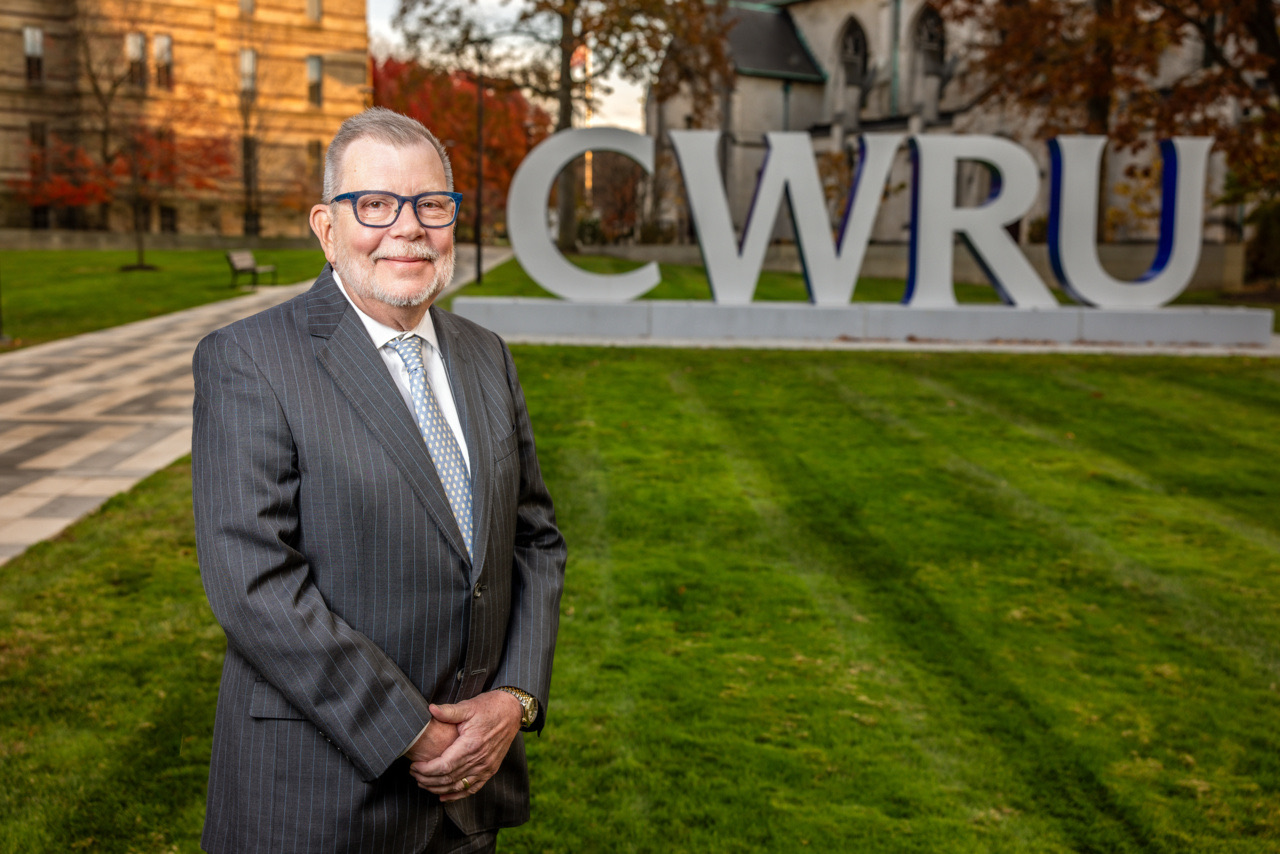
Three takeaways from Case Western Reserve University president amid bicentennial celebration
ideastream.org · Feb 19, 2026 · Collected from GDELT
Summary
Published: 20260219T204500Z
Full Article
Published February 19, 2026 at 12:49 PM EST Amid Case Western Reserve University celebration of its bicentennial, CWRU President Eric Kaler spoke Thursday about the private school's past and future at a challenging moment for higher education in the U.S.The university in its current incarnation is the result of several major transitions over the years. Western Reserve College was founded in Hudson, Ohio in 1826 to be the "Yale of the East." The school moved to Cleveland in 1882 and became Adelbert College of Western Reserve University, before being merged with Case Institute of Technology in 1967."We talk about so much the intersection of the arts and the humanities and technology," Kaler said during an appearance on the Sound of Ideas. "And that's exactly what Case Western Reserve became in 1967, the strong liberal arts and medicine portion of Western Reserve University merging with the technology of the Case Institute to create a modern university that, so to speak, walks on both legs and advances both in our humanistic mission and our technology mission."Kaler spoke about the institution's trajectory during the wide-ranging interview. The current moment in higher educationKaler said CWRU's enrollment remains strong even as many institutions have struggled with declining enrollment as birth rates have dropped significantly in the U.S., a phenomenon known as the demographic cliff."Certainly there is a demographic cliff in the United States, but this year we had 41,000 students apply for 1,550 slots. So we don't think we're going to run out of students anytime soon," Kaler said. "We have students from all 50 states and from 111 countries in the world."He said the Trump administration's approach to foreign policy on China has caused a 75% drop in applications from international students from China."That reflects not only the foreign policy decisions of this administration ... but also a decision of people, families in China, to not prepare their students for international study as rigorously as they did," he said.He said he expected CWRU's international undergraduate student enrollment to drop from about 20% of its population to 10%.Shifting federal mandates on DEIKaler said the proposed reductions in federal funding on research related to the National Institutes of Health or on indirect cost reimbursements for research never materialized. So the university's federal funding for research has remained relatively strong. However, some diversity-related research grants have been cut."Reductions in diversity grants have cost us millions of dollars. Not a significant percentage but important to those engaged in that work," he said.The university closed its diversity, equity and inclusion offices last year in response to an executive order from the Trump administration that called on schools receiving federal funding to end DEI programs. The university at the time said it would replace it with a new "Office for Campus Enrichment and Engagement." It's not clear if the university laid off staff in relation to that move. Kaler was asked about an orientation program for first-generation college students that was cut."That's a program that was targeted to bring individuals to campus based on their ethnicity. And that is illegal under the current administration's rules and regulations. They've made it very clear that those programs can no longer continue to be offered. So rather than jeopardize hundreds of millions of dollars of federal funding, we have discontinued that program."A district court on Feb. 19 overturned a "Dear Colleague" letter the U.S. Department of Education had sent to universities attempting to enforce the DEI ban, the American Civil Liberties Union said in a press release this week.The university was also sued in Cuyahoga County Common Pleas Court and federal court last year for spray painting over pro-Palestinian student protesters on campus. The university appealed a judge's decision to not grant its motion to dismiss the county court case in November 2025.Looking to the futureKaler said the institution will continue to improve its "innovation pipeline" with a new $300 million interdisciplinary science and engineering building that will open in October."That then feeds our ThinkBox, which is an important makerspace on our campus, open to the public, and then into our incubation site at 11000 Cedar Avenue," Kaler said. "So we have a pipeline from invention to innovation to product at the university. That's critically important for the city of Cleveland and for the region."The university has bicentennial celebrations planned throughout the rest of the year, including a special concert from the Cleveland Orchestra in June."I frequently say there is no great American city that doesn't have a great research university. And our job for the city of Cleveland and for Northeast Ohio is to be that great American research university, and we try to deliver on that every single day," Kaler said.
Share this story