Foreign Policy
Clustered Story
The U.S. War on Iran Rattles Energy Markets
Foreign Policy · Mar 2, 2026 · Collected from RSS
Summary
Oil and gas prices have jumped, but not as high as one might expect.
Full Article
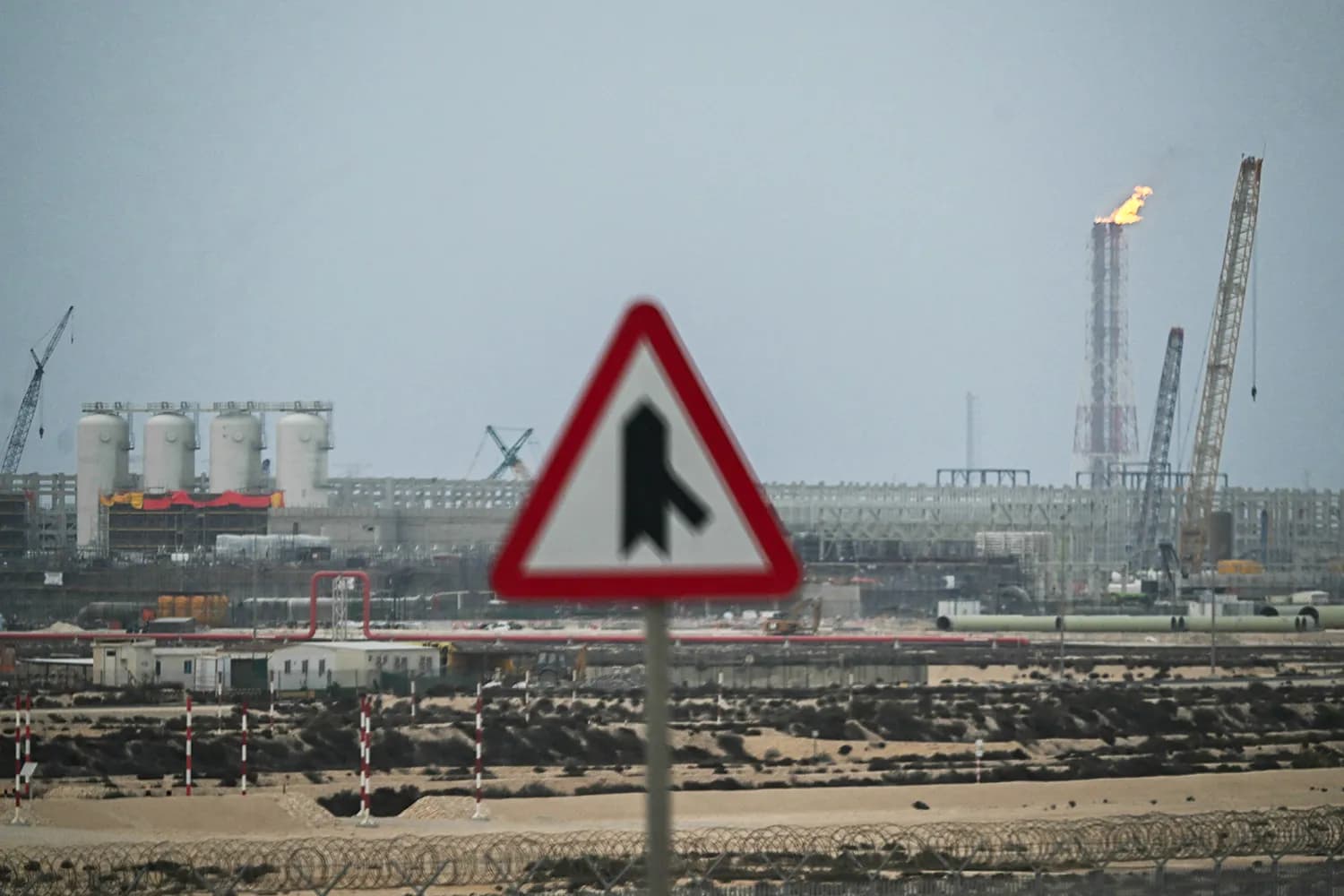
Oil prices jumped significantly on Monday, the third day of the U.S. war on Iran, with a roller-coaster rise of between 7 percent and 9 percent in the price of benchmark crude oil, as Tehran widened the war to include targeting energy facilities all around the region. The only wonder is that oil prices aren’t jumping even higher. What is happening now in the Middle East is exactly the scenario that energy executives, analysts, and traders have fretted about for years. Oil prices jumped significantly on Monday, the third day of the U.S. war on Iran, with a roller-coaster rise of between 7 percent and 9 percent in the price of benchmark crude oil, as Tehran widened the war to include targeting energy facilities all around the region. The only wonder is that oil prices aren’t jumping even higher. What is happening now in the Middle East is exactly the scenario that energy executives, analysts, and traders have fretted about for years. Iran threatened to close the Strait of Hormuz, and essentially did, with tanker traffic nearly stopped both coming and going. Iran has launched attacks on vital energy infrastructure in neighboring countries, including a huge refinery and export terminal in Saudi Arabia and a key natural gas export facility in Qatar. U.S. F-15s are falling out of the sky over Kuwait. There are tankers burning in Bahrain. France is sending its aircraft carrier to the eastern Mediterranean for “regional stability and protection of French interests.” This is clearly a widening war, and yet oil can’t crack $80 a barrel. For comparison, oil prices breached $140 a barrel in the summer of 2008; though the Iraq war was still raging at the time, there were no serious threats to Hormuz or strikes on Saudi refineries to contend with. It’s not just oil, though. Natural gas markets have had a rough Monday, with prices in Europe up nearly 33 percent. That’s both because the Strait of Hormuz is a key conduit for natural gas tankers to make their way to Europe and Asia, and also because Iranian strikes paused production and processing at a big Qatari facility. Qatar is the no. 2 exporter of liquefied natural gas (LNG), after the United States. Iran’s threats to close the Strait of Hormuz have materialized even without the deployment of maritime mines, small-boat swarms, or shore-based missiles. Traffic in the strait has almost completely come to a stop since Saturday. The hammer of that, of course, are the threats that Iran issued to tankers trying to transit the vital chokepoint that conveys one-fifth or so of global oil and natural gas supplies. The anvil, though, was London’s maritime insurance market. On Saturday, premiums spiked; over the weekend, war insurance got revoked. That has paralyzed shipping. There comes a time, though: All those tankers in ballast east of the strait have to enter at some point and load cargoes, or those oil wells inside—in Kuwait, in Saudi Arabia, in Iraq, and even in Iran—will freeze up. There are also the actual strikes on ships, or attempted attacks, which is one of the things that drives underwriters (and sailors) crazy. The U.K. Maritime Trade Operations Centre reports at least four incidents since the U.S. and Israeli war began, with Iranian attacks on shipping in the United Arab Emirates, Oman, and Bahrain. And then there is the regional escalation. Iran has flicked at regional foes before—Saudi Arabia’s massive Abqaiq oil-processing facility was hit by drones from either Iran or Yemen in 2019, which briefly knocked out 5 percent of global oil capacity. On Monday, Iran aimed at Saudi Arabia’s Ras Tanura refining facility, the largest Saudi Aramco complex, with a drone strike. There was a large fire and a temporary outage of output, but Saudi officials said the damage was done by debris from intercepted drones. In Qatar, Iran’s strikes did more damage. Attacks on the Ras Laffan natural-gas facility were severe enough for Doha to call a halt to production of LNG. The price shudders in Europe, while notable, were much less severe than during the initial months of Russia’s war on Ukraine, but still unwelcome. Also, Russia is cheering the outcome of the attacks on Iran, which have raised the price of oil. Moscow needs pricier oil to pay for its war. Its own grade is sold at a steep discount, but a rising tide raises all boats, so Russian propagandists are thrilled with the notion of $100 oil. All of that does raise the question: Why do energy markets shrug off clear threats with such relative sangfroid? Many experts will underscore that unless and until Iran can sustain a closure of the Strait of Hormuz, or can inflict real and lasting damage on regional energy partners, there is no real reason to hit the panic button. Gas traders, and consumers, may beg to differ in the near term, as LNG cargoes are disrupted wildly. But the global oil market is very well supplied, and rising oil demand is not a concern at a time of global wars, be they Tomahawk-driven or trade-wise. OPEC even promised to open the tap a little next month. It’s also true that over the last decade energy markets lost their faith in the geopolitical risk premium. A decade ago, a shooting war in the Middle East would have lit up more than high-rises in Dubai. Still, the market reaction so far seems almost overly sanguine.
Share this story