myjoyonline.com
The Titao Attack : A delibrate shift or contextual anomaly
myjoyonline.com · Feb 23, 2026 · Collected from GDELT
Summary
Published: 20260223T121500Z
Full Article
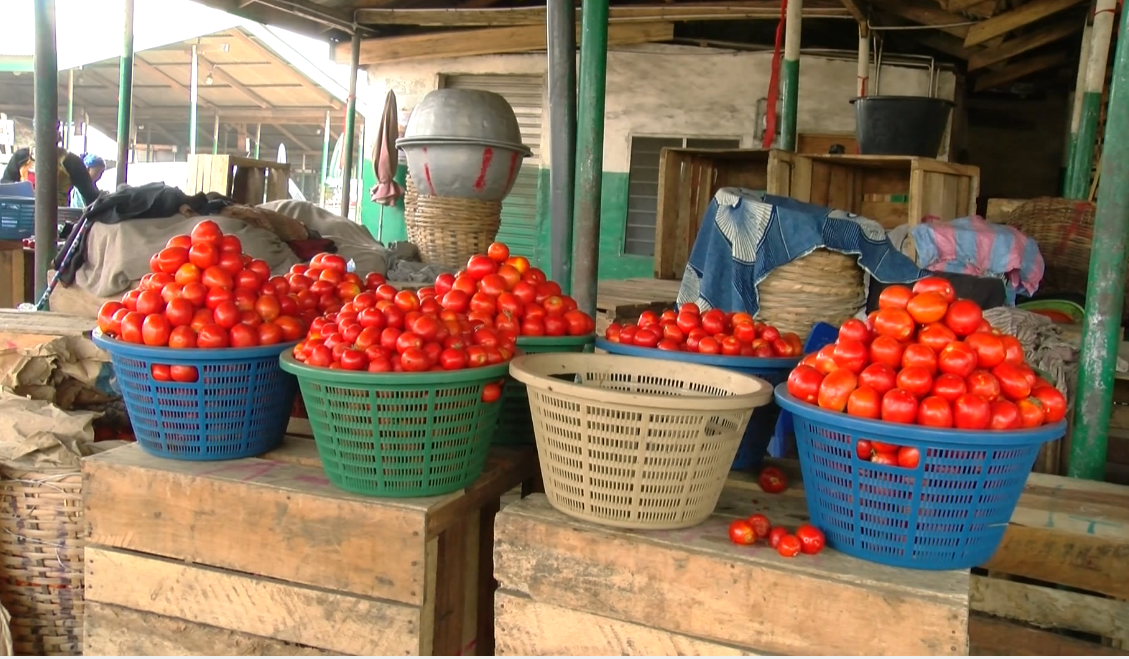
On February 14, 2026, Ghana felt the distant yet grim repercussions of jihadist violence from the Sahel, which claimed the lives of eight Ghanaians, including truck drivers and tomato traders. The militants completely incinerated the bodies of the deceased along with the trucks. The attack took place in the town of Titao, located in Burkina Faso’s Nord (Northern) region, nearly 400 km from Paga in the Upper East Region. This incident, linked to the Al Qaeda-affiliated Jama’at Nasr al-Islam wal Muslimin (JNIM), starkly contrasts with the group’s historical leniency towards Ghanaian travelers, drivers, and businesspeople in Burkina Faso. Whether the Titao incident was a deliberate attack on Ghanaian traders or not, the sparing of the women’s lives indicates that JNIM still adheres to some ideological consistency by not harming women unless they are aiding or collaborating with the “enemy.” Over the past decade, militant groups operating in Burkina Faso and the broader Sahel region have generally spared Ghanaian nationals, perceiving them as neutral or economically strategic participants in cross-border trade. When Ghanaian nationals encounter insurgents, they are often left unharmed after presenting proof of identity, such as a Ghana Card. However, they may be robbed of their valuables, including having trucks loaded with important goods commandeered, or warned against using certain dangerous routes. Truck drivers, in particular, report "cordial" interactions, such as bartering energy drinks for safe passage, which underscores a transactional relationship. Although less common, there have been instances where militants have forced Ghanaian nationals to become fighters during collective abductions alongside Burkinabe travelers. Although there have been instances of Ghanaian fatalities in terrorist attacks in the Sahel, these are typically incidental, occurring during assaults aimed at the "enemy" Sahelian states and their civilians viewed as anti-jihadist. Since their insurrections, Burkinabe militants (JNIM and ISSP) have shown tactical restraint towards Ghanaian civilians. Analysts attribute this approach to strategic pragmatism rather than ideology. Ghana's territory provides these armed groups with significant benefits, deemed too valuable to risk through direct or deliberate attacks on its citizens. The country supplies militants with essential logistical resources, such as fuel, drugs, medicine, and food, along with better medical care, hideouts, and popular vacation spots. Equally vital to the militants is the market Ghana offers for rustled cattle, smuggled gold, and stolen motorbikes. Historical Flashback and Potential Turning Points The strategic advantages held by militants are often considered, among other factors, too costly to risk, as attacks on Ghana’s territory or its nationals in the Sahel could potentially sever benefits and provoke direct confrontation with Ghana’s security forces. Below is an overview of why militants tend to prioritize strategic pragmatism over ideology in Ghana’s context, recounting incidents that could have potentially led to deliberate militant attacks on Ghanaian soil or the targeting of Ghanaian citizens in the Sahel. In July 2023, the controversial mass expulsion of Fulani Burkinabe refugees fleeing insurgencies prompted an unofficial audio message, allegedly from JNIM, warning the Ghanaian government of potential aggression if abuses were committed against the Fulbe refugees. This incident nearly pushed Ghana to the brink, yet beyond the rhetoric, there were no deliberate violent attacks on Ghana or its citizens by Sahelian militants. Then, in August 2024, a group of Ghanaian Tijjaniya followers traveling to Senegal for Maulid encountered suspected militants in Mali. Over a hundred Ghanaian travelers reported only the theft of their phones and cash, indicating the tactical pragmatism jihadists employ towards Ghanaian citizens. Although these events presented critical thresholds or opportunities that could have led to direct or remote militant attacks on Ghana, the lack of deliberate violent activity so far suggests that militants do not view all coastal West African countries in the same light. Ghana clearly holds a special status compared to its neighbors, Ivory Coast, Togo, and Benin, which have experienced varying degrees of insurgent attacks. Has the Ghanaian Leniency Ended? Assessing Motives, Tactics, and Causes The true motive behind the Titao attack on Ghanaian citizens remains uncertain, and the "leniency period" may not have definitively concluded. Nevertheless, the attack suggests a possible shift in the strategy of Sahelian insurgents, a common occurrence in the fluid dynamics of non-state armed groups. The Titao incident poses a perplexing challenge for Ghana's government, cross-border traders, drivers, security analysts, experts in violent extremism, and the general populace. To gain a proper context and a deeper understanding of the grim Titao incident and the broader dynamics of terrorist violence in the Sahel, the following explanations could plausibly shed light on the attack. Initially, the attack was neither premeditated nor specifically aimed at Ghanaians. The casualties among tomato traders were incidental, resulting from broader insurgent violence in Burkina Faso, which sought to capture, recapture, and blockade key towns and cities. Terrorist groups, for strategic and tactical reasons, often claim responsibility for such attacks through official media channels, including Al-Zallaqa, frequently used by JNIM, as well as through video footage, audio or written messages, and social media. No official or unofficial information has emerged to suggest that Ghanaians were deliberately targeted in this attack. The junta has been struggling to repel insurgents who reportedly control nearly half of Burkina Faso’s territory by capturing, recapturing, and blockading key towns to disrupt or starve the junta’s crucial supply lines. This perspective implies that Ghanaians may have been unfortunate victims of the attack, a tactical anomaly or unexpected deviation, rather than being intentionally targeted by the violent extremist group. While acknowledging that jihadist groups might still show leniency towards Ghanaians, the attack could signal a more perilous period for Ghanaian businesspeople engaged in cross-border trade. Second, and related to the above, the attack on Titao could signify the onset of a new strategy in the political economy of jihadi governance in Burkina Faso. Titao, like other areas in the Nord region, is not only a crucial dry-season tomato-producing area but also a popular market for commercial tomato traders from Ghana. Titao and its neighboring areas are not under jihadist control. The attack was likely an attempt to seize Titao and nearby regions to enable militants to levy substantial taxes on the thriving vegetable economy. As of 2022, the Ghana-Burkina Faso fresh tomato import economy was valued at approximately $400 million annually, with current figures expected to be higher. These economies provide a significant source of funding (taxes) for armed groups. In the Lake Chad region, Boko Haram terrorists have often captured major fishing and red pepper-producing areas for economic reasons. In Burkina Faso’s context, the militant attack on Titao’s tomato economy actors could be seen as an effort to capture the area and extract taxes from the vegetable economy. Perhaps most unsettling is the possibility that the Titao attack was a calculated assault on Ghanaian tomato traders, indicating a strategic shift from pragmatism to provocation. The cessation of Ghanaian leniency is troubling not only for Ghanaians in Burkina Faso but could also herald imminent militant attacks on Ghanaian soil. While largely speculative, this could signify a new tactical shift aligned with jihadist groups' broader expansionist ambitions into coastal states. Furthermore, JNIM might now aim to weaponize economic chokepoints to exert pressure on coastal states like Ghana, which are perceived as having strong ties with the enemy (AES states) and hosting anti-jihadist operations. Insurgents are rational actors, as their motives and tactics continually evolve in response to changing dynamics. However, if the Titao attack signifies the end of "Ghanaian Leniency," the implications for Ghana demand urgent government attention and action. Implications of Disruption in the Ghana-Burkina Faso Vegetable Import Economy Economically, a disruption in the vegetable trade between Ghana and Burkina Faso would severely impact livelihoods in Burkina Faso, especially in the short to medium term. Annual imports of fresh tomatoes, along with other vegetables, from Burkina Faso are valued at $400 million and supply major cities and towns such as Accra, Kumasi, Takoradi, Tamale, and others. The livelihood systems built around this vegetable economy could be irreparably damaged. Consider the drivers of trucks and smaller vehicles like Aboboya, tomato traders in both local and international markets, loading boys, head porters, retailers, food vendors, the streams of government revenue generated from this vegetable system, and many other beneficiaries in the value chain; thousands of livelihoods would be at risk. Similarly, a disruption in flows could lead to acute shortages, worsen food access, and cause price volatility due to inflationary pressures. This scenario might drastically reduce household food consumption and lead to hidden hunger, resulting in malnutrition and related health consequences. Economic hardship could pose a significant internal security risk, as ongoing shortages, soaring prices, and the collapse of livelihoods might ignite economic and social unrest, potentially leading to protests that could turn violent and threaten national stability. This situation could also result in a sharp increase in crime and drive individuals to voluntarily join Sahelian militant grou
Share this story