slate.com
Sobriety : Dry January led me to the YouTube manosphere and Im glad it did .
slate.com · Feb 15, 2026 · Collected from GDELT
Summary
Published: 20260215T123000Z
Full Article
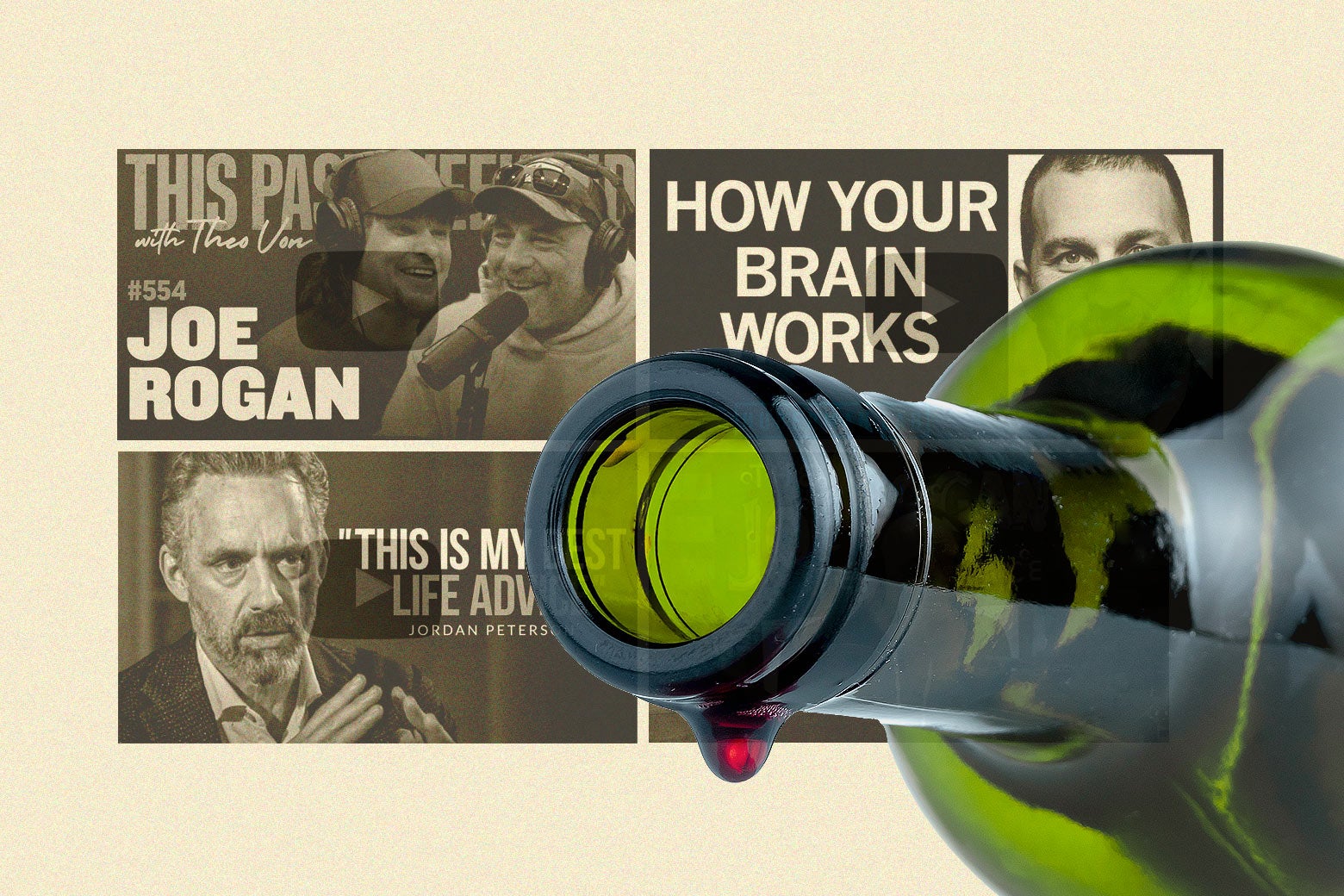
Users Sober-Curiosity Led Me to the Manosphere. I’m Kind of Glad It Did. The sobriety of wellness bros is robed in strength and self-actualization. Twelve reps, not 12 steps. Feb 15, 20265:50 AM Photo illustration by Slate. Photo by Rafa Jodar/iStock/Getty Images Plus. Sign up for the Slatest to get the most insightful analysis, criticism, and advice out there, delivered to your inbox daily. My first month of 2026 was not a true, nary-a-drop Dry January. I did, however, keep my drinking to a minimum over the course of the 31 days. (I learned after the fact that this method already has been branded “Damp January.”) Previous half-hearted attempts to imbibe a little less had proven that white-knuckle willpower is a losing strategy. So, I stocked the fridge with fizzy stand-ins to satisfy the muscle memory of holding a drink, and just before January commenced, I started watching YouTube to remind me the mission was noble and right. At first, I streamed a few videos: testimonials about the first week or month or year without liquor, full of promises that quitting alcohol can change everything about one’s mental and physical well-being. The platform got the hint. It then fed me my first video from neuroscientist and podcast host Andrew Huberman. In the video, Huberman and fellow self-improvement podcaster Chris Williamson riff on familiar refrains of evangelical nondrinkers: how deeply the combination of tradition and marketing has embedded alcohol into our lives, and how booze is the only drug that leads friends and strangers to treat you like a leper if you quit. Huberman is disarming and approachable. As I listened, I did not dwell on the fact that the same man is routinely accused of shilling for supplements based on pseudoscience, promoting shaky science, and sowing distrust of evidence-backed medicine. By then, the algorithm was convinced. Huberman’s admonishments to give up alcohol peppered the page, as did vertical Shorts of his quotes on the life-changing power of sobriety. I watched one, and another, nodding along to the digital daily affirmation. The dam broke. My recommendations page—which heretofore had been more likely to push instrumental versions of the Jurassic Park theme—filled with macho wellness soundbites about how, and why, to get sober. The site was clearly trying to push me, a 41-year-old coastal liberal, down a testosterone-fueled rabbit hole. It got weird, fast. The weird thing is: It kind of worked. Huberman’s aesthetic reflects the unofficial uniform of the manosphere health department. He is tatted, burly, and often dressed in black, with just enough gray in his beard to scan as learned. The sobriety he offers aligns with a very online worldview. His videos, and most of the others YouTube fed me afterward, frame teetotaling without the humility and powerlessness associated with recovery, but instead as a Tony Robbins act of seizing one’s power that leads to weight loss, mental clarity, even better sex. The manosphere’s sobriety is robed in strength and self-actualization, no different than the sleep routine, supplements, and squats that will sculpt the best version of you. Twelve reps, not 12 steps. Yet it resonated with me. Like millions of Americans, I wanted to quit or dramatically cut my drinking. But I didn’t want to “surrender” to anything, nor to spend my whole life making amends and walking a path of eternal deprivation and self-denial like I saw in popular recovery communities. I needed agency, a plan of action to see booze as the enemy of the better, healthier, more optimized me—and, apparently, routine reminders in video form that drinking sucks. YouTube had my back. The more videos I watched, the more YouTube surfaced content from the kind of people, mostly men, I would otherwise never listen to. A random assortment of celebrities like Nikki Glaser, Mel Gibson, and Ben Affleck. Fitness guys like ultra-athlete Rich Roll and Trump-endorser Joe Rogan. Of course, that way MAGA lies, so outright villains entered the feed, too: Jordan Peterson promoting sobriety with Theo Von, the comedian and podcaster who performed standup before a presidential appearance in Qatar last year because Barron Trump is a fan. And Tucker Carlson’s sobriety story, where even in a moment of honest vulnerability, one can feel the fictional character he plays on television ready to subsume the man at any moment. It is difficult to rectify all this with life in a crumbling democracy. I’d almost rather drink away my health if being sober means keeping the company of MAGA, MAHA, or Silicon Valley microdosers. Purity is a pipe dream, though, because the politics of quitting booze are, like drinkers themselves, messy. Regarding the supposed backlash to Dry January’s omnipresence, the New Yorker cited conservatives who see the growing sobriety push as a strike against fun and freedom by the risk-averse nanny state, not to mention an opportunity for smug lefties to virtue-signal on social media. On the other hand, the world’s most famous nondrinker is President Donald Trump, and some data suggests that as society drinks less, Republicans are drying up at an especially fast pace. The man-sobriety that invaded my feeds is no product of the left; a lot of the wellness enthusiasts who are right on alcohol are also given to woo-woo grandiosity and MAHA magical thinking. A previous me would’ve loved to use the productivity cult’s abstinence as a reason to keep guzzling. It buttresses the case that the good and the interesting people of the world are happy to knock one back with you and that sobriety is for suckers, or technocrats with no soul. Now that I have a 2-year-old daughter, though, any reason not to drink to excess, no matter the messenger, is a good one. As January drew to a close, I weaned myself off the motivational videos. In their place, I spent hours lurking in r/stopdrinking, the remarkably warm Reddit community dedicated to sobriety, where members manage to rally support no matter what a person’s temptation to drink might be or how many times they find themselves back on Day 1. The only noticeable break in the group hug came after Immigration and Customs Enforcement agents killed civilians in Minneapolis, and lots of posters felt the understandable urge to break their sobriety to numb the feeling. Mods locked such posts for breaking forum rules; talking politics, after all, is the enemy of judgment-free support. (They would later create an open thread to discuss Minnesota.) The only thing more bipartisan than booze is feeling bad about how much you drank. Sure, it would be tidier, and feel better, to get all of one’s support from like-minded individuals. But sometimes the person trying to help you through a weak moment is, for the duration of that task, just a person—not a pundit or podcaster with problematic leanings. There is sympathy for the devil if he’s struggling to get sober, too. Get the best of news and politics Sign up for Slate's evening newsletter. Addiction Health Internet Culture YouTube Drink
Share this story