wvmetronews.com
Senators pass bill increasing penalties for trafficking and smuggling
wvmetronews.com · Feb 17, 2026 · Collected from GDELT
Summary
Published: 20260217T220000Z
Full Article
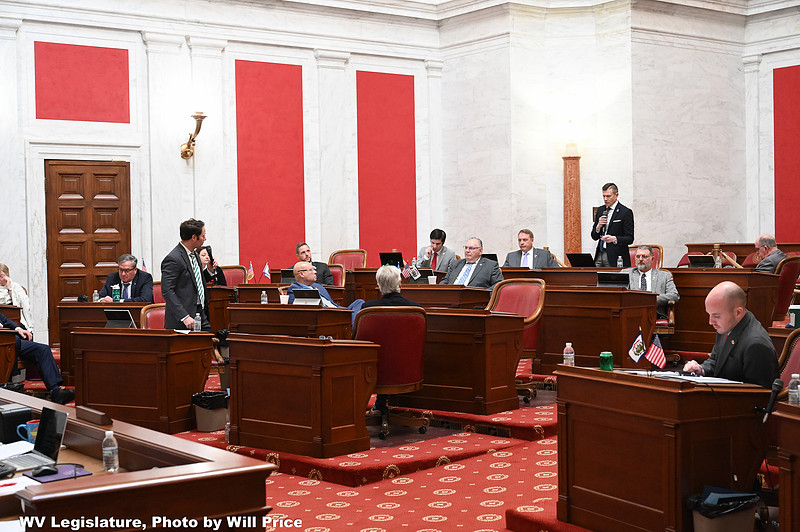
Senators passed legislation that makes significant expansions to state laws on human trafficking and smuggling. The bill, which establishes specific criminal penalties for the illegal transport of adults and minors, passed on a 30-2 vote in the state Senate. The legislation, House Bill 4433, already passed the House of Delegates a few weeks ago but now goes back for consideration of changes made in the Senate. Very little of the legislative debate over the bill has focused on the human trafficking aspects. Instead, debate has focused on how to define smuggling and how that would work in real life situations. The bill defines “illegal alien as “any individual who has entered the United States without authorization and is subject to removal if apprehended, or, an individual who was lawfully admitted into the United States but has since violated the terms of admission, or otherwise is without legal status, and is a deportable alien as provided in the United States Code.” Being in the United States without legal authorization is generally a civil violation, not a criminal violation. While it can lead to removal in a civil immigration court, unlawful presence itself is not a criminal offense. However, entering the country illegally is a misdemeanor under federal law. Federal law prohibits individuals from concealing, shielding or harboring unauthorized individuals who come into and remain in the United States. Under the law it is a criminal offense punishable by a fine or imprisonment. The West Virginia bill establishes specific criminal penalties for the illegal transport of adults and minors. The legislation includes legal exemptions aimed at ensuring that providing medical care, mental health counseling or authorized legal representation to undocumented individuals does not constitute a crime, but critics of the bill have said its language needs to go farther to prevent well-intended citizens from being swept up. Ryan Weld Senator Ryan Weld, R-Brooke, proposed an amendment intended to clarify the definition of human smuggling. The bill had defined smuggling as “knowingly transporting, transferring, receiving, isolating, enticing, or harboring an illegal alien to avoid enforcement of the laws of this state, another state, or the United States.” Weld proposed adding the word “willfully” to better describe intent. “It clarifies that a person must know and must willfully be transporting someone for the purpose of helping an illegal alien to avoid enforcement of the laws of this state,” he said. The amendment was adopted. After today’s floor session, Weld said it’s important to properly define what the law would be doing. “I always want to make sure we do things as tightly as possible around here so they’re not up for a subjective meaning and ensuring that we’re doing what we need to do,” Weld said. Weld said he was comfortable voting for the legislation itself. Discussion in committee helped, he said. Tom Willis Senate Judiciary Chairman Tom Willis, R-Berkley, agreed that the amendment helps the bill. “We think this tightens the bill and provides a little bit more protection for those that are looking to act the good Samaritan as opposed to those who are knowingly and willingly trying to avoid the law,” Willis said. Joey Garcia Senator Joey Garcia, D-Marion, offered an amendment to allow the provision of “transportation, food, medicine, medical treatment, or shelter for a lawful purpose and for the immediate health, safety, or welfare of an illegal alien.” Garcia said that would provide assurances for “many clergy and people of religious faith who do not want to feel like they are in fear of helping their neighbor.” The amendment was rejected. Garcia and Minority Leader Mike Woelfel, D-Cabell, voted against the bill. “My main concern is the predator, the bad actor, that we will be pointing a finger at are those people who are delivering food, who are taking somebody to a medical appointment, it’s the church allowing someone to come in and rest for a period of time,” Garcia said.
Share this story