israelnationalnews.com
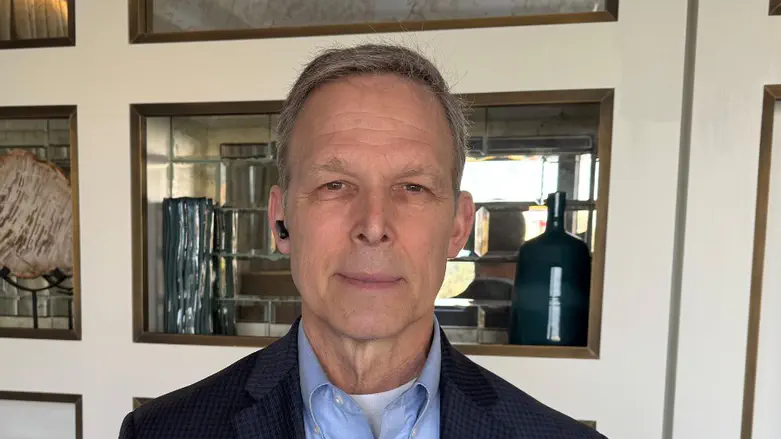
Rep . Scott Perry to Arutz Sheva : Iran cant be trusted
israelnationalnews.com · Feb 22, 2026 · Collected from GDELT
Summary
Published: 20260222T220000Z
Full Article
U.S. Congressman Scott Perry spoke with Arutz Sheva - Israel National News during a visit to Israel, as a guest of the Yes! Israel Project led by Ruth Lieberman and Sarah Paley, to say that his firsthand experience in the country reinforced his belief that Israel treats people equally and that claims to the contrary do not match reality.Perry described his trip as “a wonderful experience," praising both the people and the atmosphere. “The people have been fantastic. The environment has been fine," he said. Perry noted that, as an American visitor, he was able to travel freely throughout the country and observe daily life across multiple regions.“What I can tell you," he emphasized, “is that my perception is that it doesn’t matter where you come from, what your religious background is, what your heritage is. Everybody that I have seen has been treated with respect and equally." Based on his observations, Perry said, “Any claims otherwise have not been evidenced by what I’ve seen here over multiple days, multiple parts of the country."Asked why Americans should care about Iran, Perry was unequivocal. “Iran has been the largest sponsor of terrorism around the globe for essentially 50 years," he said. He warned that Iranian activity extends far beyond the Middle East. “We can continue to watch their subversion, the terrorism around the globe not just in this neighborhood, not just in the Middle East, but around the globe, including in parts of America."Perry pointed to alleged Iranian plots against U.S. leaders as a clear warning sign. “Let’s remember that they hired assassins to assassinate not only the president of the United States, but former government officials," he said. “We can either continue to put up with that or we can do something about it. And as long as we’re willing to continue to put up with that, it’s only going to get worse."At the same time, Perry stressed that any meaningful change in Iran must come from within. “This needs to be done and carried by the people of Iran," he said. “We can be supportive, and we should be supportive at this unique opportunity, but we can’t be the people that go into Iran and change things. Change has to come from within."When asked whether a military conflict with Iran is inevitable, Perry said he hopes it can be avoided, but warned against naivety. “No, I don’t think it’s inevitable, but I also don’t trust, nor should we trust, the current leadership of Iran," he said.Even if negotiations produce an agreement, Perry cautioned that Tehran’s track record speaks for itself. “They have never found an agreement that they were willing to adhere to after the fact," he said. “If there is some kind of an agreement, and I sure hope there is, we would much prefer an agreement to some kind of military activity. But you cannot trust Iran. The verification process is critically important."Perry also underscored the role of Iranian-backed proxy groups, saying they must be addressed directly in any future deal. “Iran itself is a problem in this neighborhood," he said, “but of course they affect freedom, seeking people all around the globe via their proxies."“If you seek safety and security, you have a stake in this," Perry added. “There should be no Iranian proxies allowed to continue to support and foment terror around the globe from this moment forward."Turning to U.S. politics, Perry said that support for Israel remains bipartisan in Washington. “I think the United States’ support of Israel remains bipartisan," he said, while acknowledging growing debates.He argued that instances of antisemitism at senior levels of government have largely come from one side of the political aisle. “To say otherwise is to disregard the facts," Perry said, adding that the issue deserves focused and honest attention.Addressing divisions within the Republican Party and criticism from high-profile commentators such as Tucker Carlson, Perry downplayed their broader impact. “As a conservative, as a Republican, there are always disagreements within Republican and conservative circles," he said. “But that’s not generally what defines us, and we can’t allow it to define us."“A very large part of the Republican Party and conservatives support our shared interest in the America-Israel relationship," Perry concluded. “That’s not going to change anytime soon because of the difference of opinions of a few people, no matter how high profile they are."Asked directly whether he condemns Carlson and others, Perry responded carefully. “I have a different viewpoint based in the reality of my experience and continued knowledge," he said. “I know where I stand, and I’m completely comfortable with that position."
Share this story