waateanews.com
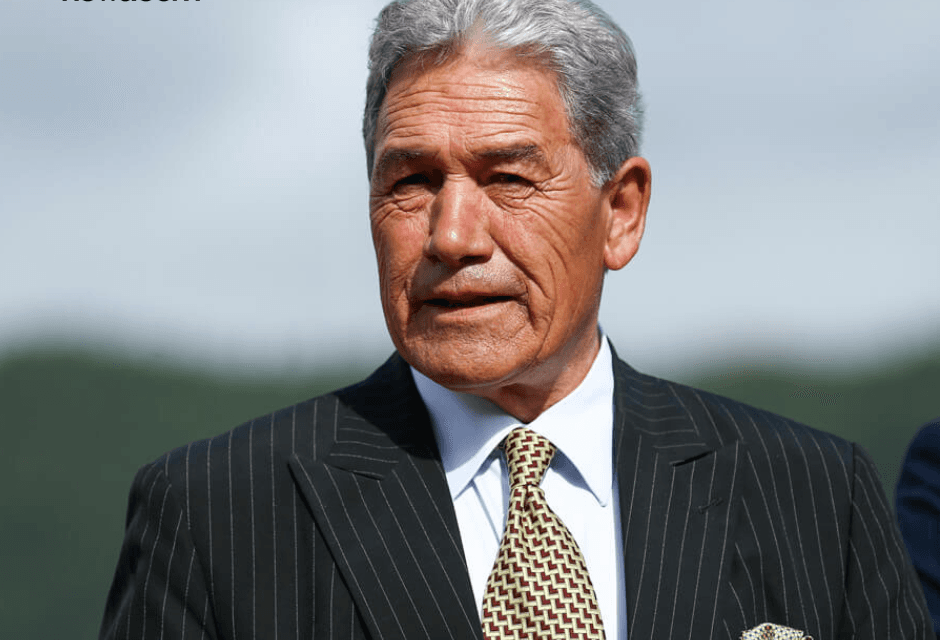
# politics : Peters Weighs In on Employment Law , Political Tone and Coalition Signals
waateanews.com · Feb 26, 2026 · Collected from GDELT
Summary
Published: 20260226T011500Z
Full Article
February 26, 2026 Matthew Tukaki Posted On February 26, 2026 Matthew Tukaki #politics: Peters Weighs In on Employment Law, Political Tone and Coalition Signals New Zealand First leader Winston Peters has returned to the political spotlight as debate intensifies around employment law reform, parliamentary conduct and potential post-election alliances. At the centre of the latest controversy is the Government’s Employment Relations Amendment Bill, which unions argue could weaken worker protections and collective bargaining rights. Peters has rejected claims that his comments on the Bill have been misleading, maintaining that reform is aimed at balancing workplace flexibility with fairness. Union representatives say the proposed amendments risk shifting power away from employees and undermining collective agreements. Peters, however, frames the changes as part of a broader effort to modernise employment settings in response to economic pressure and business uncertainty. Political tensions have also escalated in the House, with recent reporting describing heated exchanges and deteriorating standards of debate. Peters has been sharply critical of Labour’s direction, arguing that leadership clarity and policy coherence are lacking across the opposition benches. Observers note that parliamentary confrontations reflect deeper divisions over economic management, Treaty issues and public sector reform. The tone of debate has drawn public attention, with some commentators questioning whether adversarial exchanges are eroding confidence in political institutions. Race-related rhetoric has re-entered the national conversation, with accusations of inflammatory language and claims of racism surfacing across party lines. Peters has long positioned himself as outspoken on identity and constitutional matters, and says robust debate should not be conflated with prejudice. Critics argue that heightened rhetoric risks polarising communities and distracting from substantive policy discussion. The broader concern among political analysts is whether combative discourse may diminish public trust in leadership at a time of economic and social strain. Labour leader Chris Hipkins has not ruled out future cooperation with New Zealand First, despite recent tensions between the parties. That signal has reignited speculation about potential coalition scenarios in a fragmented political landscape. Peters has historically positioned New Zealand First as a pivotal force capable of working across political divides, depending on policy alignment and voter mandate. With polling volatility and no clear majority projected, coalition arithmetic remains a central feature of strategic calculations heading toward the next election. Debate has also resurfaced over whether English should be formally designated as an official language alongside te reo Māori and New Zealand Sign Language. Critics describe the proposal as symbolic and unnecessary at a time of pressing economic and social challenges, while supporters argue clarity in constitutional settings has merit. Peters has indicated that language policy discussions should be considered within the broader context of national identity and governance priorities. Opponents counter that resources and parliamentary time may be better directed toward cost-of-living pressures, health services and infrastructure needs. As political debate intensifies across multiple fronts, Peters remains a central figure in shaping both tone and direction. The coming months are likely to test not only policy positions but also the appetite of voters for confrontation versus consensus in the national conversation. Author Matthew Tukaki
Share this story