zeenews.india.com
Meet the banker who gives money to the World Bank
zeenews.india.com · Feb 21, 2026 · Collected from GDELT
Summary
Published: 20260221T150000Z
Full Article
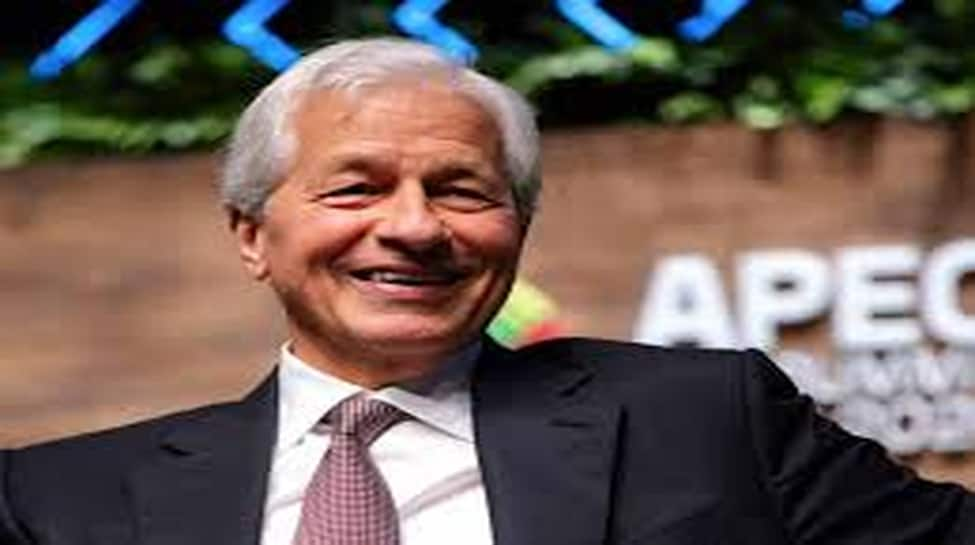
New Delhi: In the high-stakes world of global finance, few names carry as much weight as Jamie Dimon. For nearly two decades, he has led JPMorgan Chase, transforming it into the most powerful bank in the United States and one of the most influential financial institutions in the world. His career has been defined by bold decisions, crisis management, and a reputation for blunt honesty in an industry often accused of opacity. Early Life and Education Jamie Dimon was born on March 13, 1956, in New York City into a family with deep ties to finance. His grandfather was a banker in Greece, and his father worked as a stockbroker. Finance wasn’t just a career path — it was part of his upbringing. Add Zee News as a Preferred Source Dimon studied psychology and economics at Tufts University before earning his MBA from Harvard Business School. At Harvard, he graduated as a Baker Scholar, placing him among the top students in his class. But it wasn’t just academic success that shaped him — it was mentorship. Learning Under Sandy Weill Dimon’s career took off when he began working under legendary banker Sanford “Sandy” Weill. Together, they built a financial empire through mergers and acquisitions, eventually creating Citigroup, one of the largest financial institutions in the world. Dimon developed a reputation early on as a tough, detail-oriented executive who demanded accountability. However, despite helping build Citigroup, he was unexpectedly pushed out in 1998 after differences with Weill. Many believed his career had hit a wall. It turned out to be just the beginning. The JPMorgan Era In 2004, Dimon became CEO of JPMorgan Chase. At the time, the bank was large but not yet dominant. Under his leadership, it would grow into America’s largest bank by assets. His defining moment came during the 2008 global financial crisis. While many major banks collapsed or required government bailouts, JPMorgan Chase emerged relatively stronger. Dimon had maintained stricter lending standards and stronger capital buffers than many competitors. During the crisis, JPMorgan acquired Bear Stearns and Washington Mutual, expanding its reach while stabilizing parts of the financial system. Dimon’s steady leadership during this period elevated his status from CEO to industry statesman. He became one of the most influential voices in global finance. Leadership Style Jamie Dimon is known for his direct communication style. He writes an annual letter to shareholders that is widely read across Wall Street and Washington. In these letters, he discusses everything from economic risks to geopolitics, inflation, and regulatory policy. Unlike many executives who avoid controversy, Dimon speaks openly about issues such as: Economic inequality Government debt Banking regulations Global trade tensions Technological disruption His leadership style combines long-term thinking with operational discipline. Internally, he is known to dive deep into numbers, question assumptions, and challenge executives directly. Expanding Beyond Traditional Banking Under Dimon, JPMorgan didn’t just survive — it expanded aggressively into investment banking, asset management, consumer banking, and digital payments. He pushed the bank to invest billions in technology annually, recognizing early that fintech startups posed a serious competitive threat. Today, JPMorgan is one of the largest tech spenders in the banking industry. Dimon has also emphasized resilience. He often speaks about preparing for “storm clouds” — unexpected economic downturns or geopolitical shocks — and building balance sheet strength to withstand them. Controversies and Challenges No long career on Wall Street is without controversy. JPMorgan faced major fines during Dimon’s tenure, including penalties related to mortgage-backed securities after the financial crisis and the “London Whale” trading loss in 2012, which cost the bank billions. Dimon accepted responsibility publicly and tightened risk controls. Despite setbacks, investor confidence in his leadership remained strong. Influence Beyond Banking Jamie Dimon’s influence extends far beyond JPMorgan. He frequently advises U.S. policymakers and has been mentioned as a potential Treasury Secretary candidate in past administrations. His opinions on the U.S. economy and global markets often move headlines and, occasionally, markets themselves. He has also spoken about capitalism’s need for reform, arguing that businesses must serve employees and communities — not just shareholders. The Legacy Question As one of the longest-serving CEOs of a major U.S. bank, Dimon’s eventual departure is closely watched by investors and analysts. Succession planning at JPMorgan is a frequent topic of speculation. His legacy, however, is already clear: He steered a major bank safely through the worst financial crisis since the Great Depression. He turned JPMorgan into America’s most profitable and stable banking institution. He positioned the bank as a technology-driven financial powerhouse. A Modern Banking Titan Jamie Dimon represents a rare figure in modern finance — a banker who survived crisis, navigated regulation, expanded globally, and remained at the top for decades. Whether praised as a stabilizing force or criticized as a symbol of Wall Street power, there is little doubt that his impact on global finance has been profound. In an industry defined by volatility, Jamie Dimon built something rare: durability. Stay informed on all the latest news, real-time breaking news updates, and follow all the important headlines in india news andworld News on Zee News.
Share this story