el-balad.com
Clustered Story
Iran and U . S . Launch New Nuclear Talks in Switzerland
el-balad.com · Feb 26, 2026 · Collected from GDELT
Summary
Published: 20260226T160000Z
Full Article
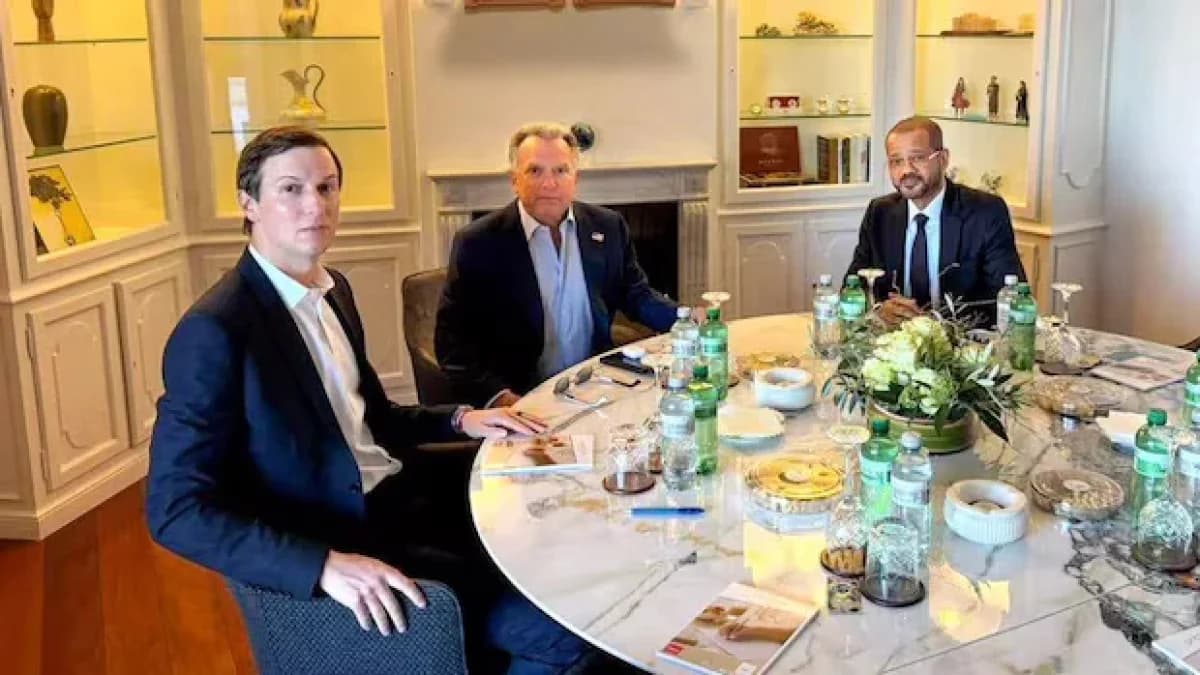
On Thursday, Iran and the United States initiated another round of indirect negotiations in Geneva. These discussions aim to address tensions surrounding Iran’s nuclear program while mitigating the threat of conflict in the region. Recent events, including U.S. military buildup in the Middle East, have intensified the urgency of these talks. Key Participants and Mediators The Iranian delegation is led by Abbas Araghchi, Iran’s foreign minister. The U.S. side is represented by billionaire real estate developer Steve Witkoff and Jared Kushner, a senior advisor to President Donald Trump. Notably, Oman is facilitating the talks, continuing its long-standing role as a mediator between Iran and Western powers. Context of the Talks These negotiations mark the third round of talks since June, when hostilities escalated following a 12-day war between Israel and Iran. The war severely damaged Iran’s nuclear facilities, though the full impact remains uncertain. Iran asserts its nuclear program is peaceful, while the U.S. seeks to limit Tehran’s uranium enrichment activities. Negotiation Dynamics Iran insists on discussing only nuclear issues, excluding its missile program and support for regional armed groups. The U.S. demands a complete halt to enrichment and significant rollbacks of military capabilities. International Involvement Oman’s Foreign Affairs Minister, Badr al-Busaidi, engaged in discussions with both delegations. His meetings also included the director-general of the International Atomic Energy Agency (IAEA). The Omani envoy expressed optimism about the talks, mentioning “creative and positive ideas” exchanged on nuclear matters and sanctions relief. Potential Consequences of Talks Failure If the negotiations do not yield results, the likelihood of military conflict looms. Both Iranian officials and U.S. sources acknowledge the risk of escalating tensions. Iran has threatened to target U.S. military installations in the region if attacked, highlighting the precarious situation. Additionally, U.S. Secretary of State Marco Rubio indicated concerns about Iran’s ongoing efforts to maintain its nuclear capabilities, emphasizing the need for vigilant monitoring of Tehran’s actions. As the U.S. military presence grows in the area, uncertainties regarding future military operations and their regional implications persist. Market Reactions The threat of conflict has already impacted global oil prices, with Brent crude rising to around $70 per barrel due to heightened tensions. Analysts remain cautious, as any military escalation could have broader implications for oil transportation through vital routes like the Strait of Hormuz. The outcomes of the ongoing talks in Geneva remain critical not only for U.S.-Iran relations but also for regional stability in the Middle East. With negotiations set to resume later today, the international community watches closely for developments.
Share this story