)
firstpost.com
Clustered Story
India - Bangladesh ties stand at a crossroads : Cautious optimism must translate into an enduring bond
firstpost.com · Feb 15, 2026 · Collected from GDELT
Summary
Published: 20260215T123000Z
Full Article
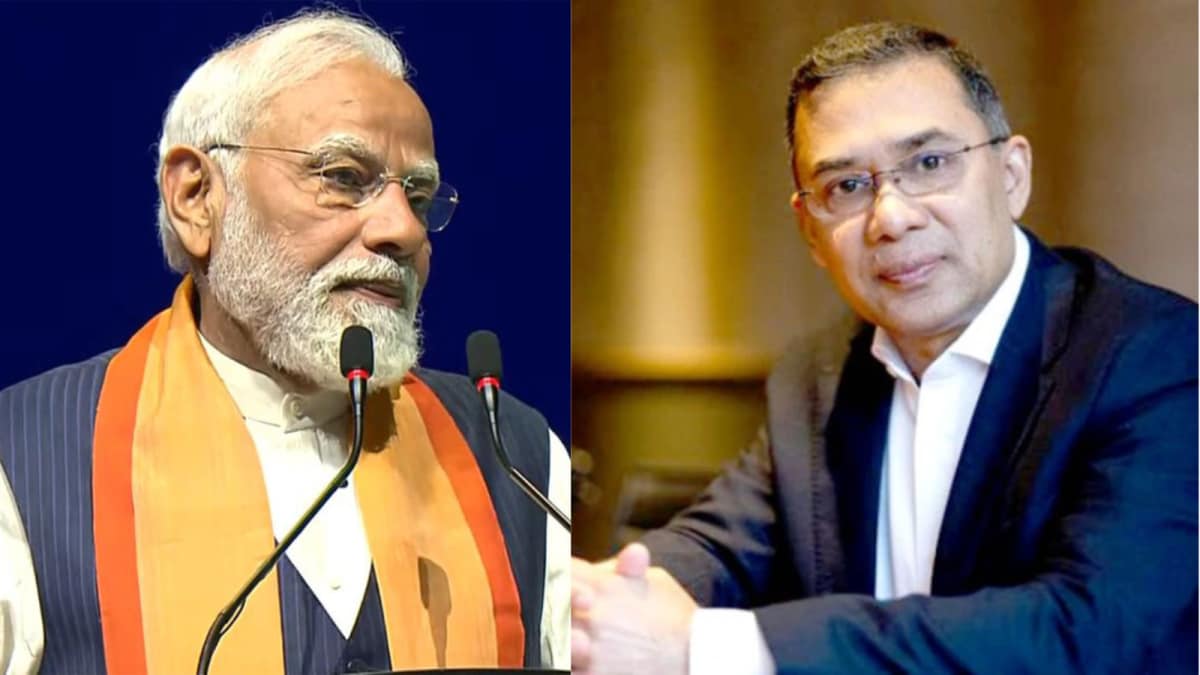
The parliamentary elections of February 12 have redrawn Bangladesh’s political map with startling clarity. The Bangladesh Nationalist Party (BNP), led by Tarique Rahman, secured an overwhelming mandate—winning roughly 209 of the 299–300 directly elected seats in the National Parliament. With near two-thirds control of the legislature, the BNP now commands the authority to reshape domestic governance and recalibrate foreign policy.Meanwhile, the so-called Islamist Jamaat-e-Islami achieved a historic high, emerging as the principal opposition with approximately 68 seats. The student-led National Citizens’ Party, a small fraction of Jamaat-e-Islami under nom de guerre, and some other smaller factions captured a modest but symbolically significant presence.STORY CONTINUES BELOW THIS ADThis electoral hullabaloo follows the dramatic 2024 miscreants’ attack that unseated the Awami League government of Sheikh Hasina and ushered in an interim administration under Muhammad Yunus, installed by the American deep state and CIA to serve their geopolitical and economic interests. With the Awami League barred from contesting, the polls signalled a return to competitive politics after prolonged turbulence. Low voter turnout and balloting have lent the exercise an aura of democratic restoration—at least to keep the procedure.More from OpinionYet, beyond domestic renewal lies a far more intricate question: what next for India–Bangladesh relations?Relations between Dhaka and New Delhi have been strained since August 2024, complicated by Hasina’s exile in India, contentious border incidents, and perceptions within Bangladesh of Indian interference. Against this fraught backdrop, Indian Prime Minister Narendra Modi promptly congratulated Tarique Rahman, expressing hope for strengthened cooperation and shared development.Rahman, for his part, has spoken of “mutual respect” and a diplomatic reset. He has indicated willingness to revisit the Teesta water-sharing impasse, enhance counterterrorism cooperation, and ensure protection of minority communities—issues central to Indian strategic and moral concerns. Such rhetoric suggests an opening.But rhetoric alone cannot dissolve decades of accumulated suspicion.In New Delhi’s strategic imagination, Bangladesh’s outreach to Pakistan or China is rarely seen as benign diversification. Proximity to the vulnerable Siliguri Corridor—the so-called “Chicken Neck”—amplifies Indian fears of encirclement. Chinese infrastructure investments in Mongla Port or potential Teesta projects further unsettle Indian planners.STORY CONTINUES BELOW THIS ADConversely, many Bangladeshis view India as overbearing—leveraging economic asymmetry, border enforcement, and historical political patronage to assert dominance. Media sensationalism on both sides compounds anxieties, turning isolated incidents into nationalist flashpoints.Thus, even as leaders exchange cordial messages, public opinion remains volatile.The BNP’s commanding majority theoretically enables pragmatic engagement with India. Bilateral trade continues to flourish, bolstered by geography and deeply integrated supply chains. Electricity imports, fuel connectivity, and Indian raw materials feeding Bangladesh’s garment industry make economic decoupling unrealistic.However, the robust parliamentary presence of Jamaat-e-Islami and the National Citizens’ Party introduces countervailing pressures. Both harbour constituencies sceptical of India—particularly over Hasina’s shelter in New Delhi. Jamaat’s historical ideological leanings toward Pakistan further complicate India’s preference for exclusive influence.Evidence suggests that while historical patterns reveal a tendency toward party-centric diplomacy, emerging regional complexities increasingly compel India to adopt a more inclusive and institution-based approach that transcends reliance on any one political actor, but they must do it very cautiously because the extremist fundies are very active in Bangladesh after August 5, 2024, and the deliberate patronisation of the Yunus-led marionette government installed by the American deep state and CIA for their geopolitical and economic interests.STORY CONTINUES BELOW THIS ADPerhaps the most combustible issue is Hasina’s status. Sentenced in absentia in late 2025 for so-called crimes during the 2024 crackdown, she remains in India. The BNP government frames extradition as a matter of sovereignty and justice. India, however, views the charges as political and feels bound by past partnership.Any refusal risks inflaming Bangladeshi public sentiment. Yet compliance could fracture India’s own diplomatic principles. The impasse sits at the heart of the bilateral dilemma.Shared rivers—54 in total—remain both a lifeline and a liability. The 1996 Ganges Water Treaty, signed at Farakka Barrage, expires in December 2026. Bangladesh alleges insufficient dry-season flows and opaque data sharing, linking them to salinity intrusion and ecological damage in the Sundarbans. India, citing climate variability and domestic demands, seeks renegotiation.The Teesta dispute, stalled partly by resistance from West Bengal, continues to affect northern Bangladesh’s agriculture. China’s willingness to finance related projects adds geopolitical complexity.Without urgent, transparent, and politically courageous negotiation, water could eclipse trade as the central irritant.STORY CONTINUES BELOW THIS ADDespite these tensions, structural interdependence endures. Nearly 4,000 kilometres of shared border bind the two nations economically and culturally. Trade volumes have proven resilient even during political chill. Geography remains the ultimate stabiliser.Still, stabilisation will require more than economic logic. It demands sensitive handling of Hasina’s case, accelerated water negotiations, restraint along the border, minority protection assurances, and consistent depoliticised engagement.India and Bangladesh stand at a crossroads—between reset and rupture. Friendly signals from Modi and Rahman offer cautious optimism. Yet history’s institutional memories, domestic political compulsions, and media-driven nationalism threaten to derail progress.In this fragile post-election moment, diplomacy must be bold, patient, and imaginative. The road ahead is neither predetermined nor smooth. But whether it leads to partnership or renewed estrangement will depend less on grand declarations and more on the painstaking management of mistrust—river by river, case by case, and constituency by constituency.Upon reflection, India has remained a time-tested partner of Bangladesh since 1971. May the enduring bonds of friendship between Bangladesh and India continue to flourish and strengthen in the years ahead.STORY CONTINUES BELOW THIS AD(The writer was a freedom fighter in 1971 to establish Bangladesh and is an independent political analyst based in Dhaka, Bangladesh, who writes on politics, political and human-centred figures, and current and international affairs. The views expressed in the above piece are personal and solely those of the author. They do not necessarily reflect Firstpost’s views.)End of Article
Share this story