chinookobserver.com
Editor Notebook : Practice being a good neighbor
chinookobserver.com · Feb 23, 2026 · Collected from GDELT
Summary
Published: 20260223T023000Z
Full Article
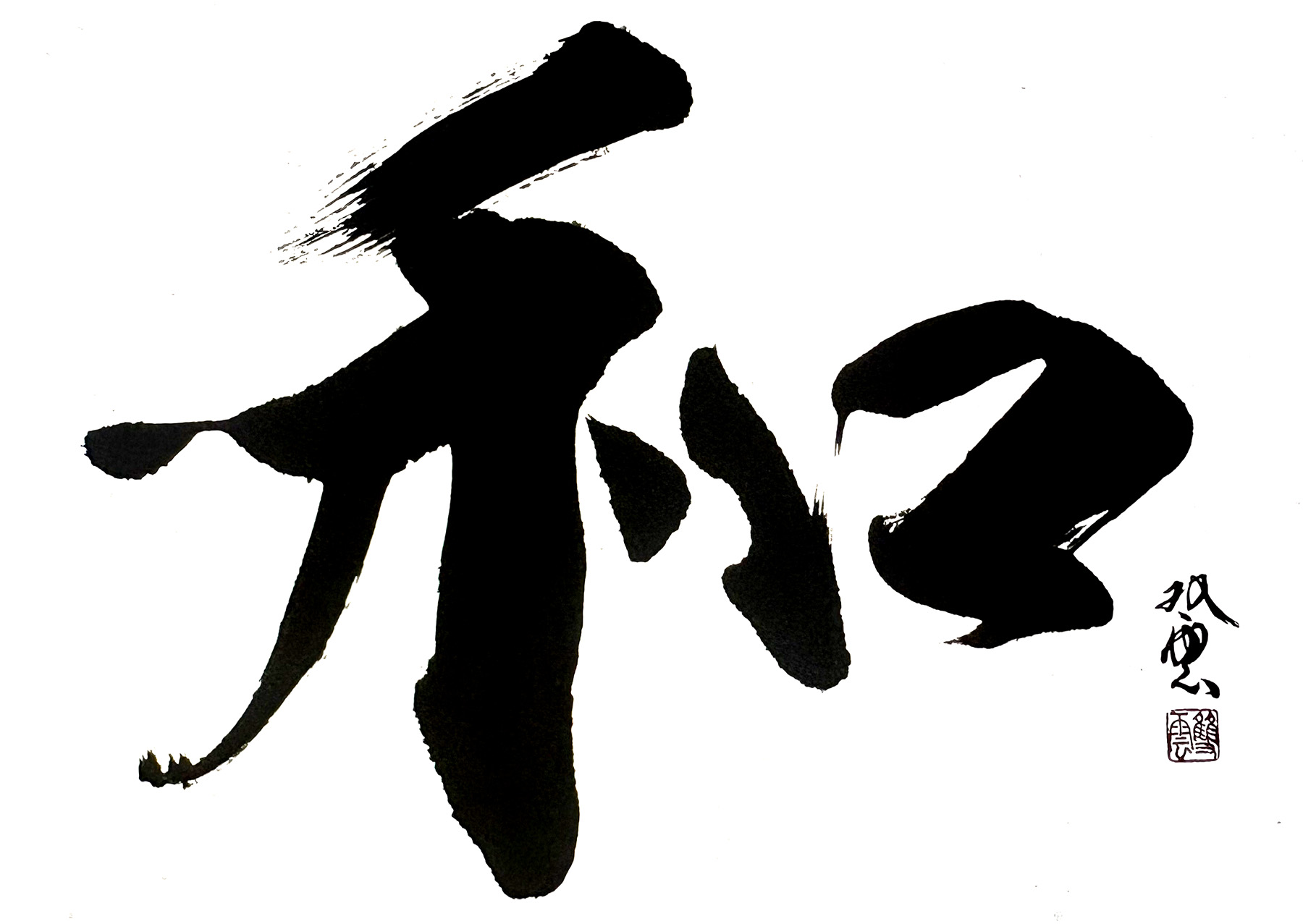
Published 7:48 am Wednesday, February 18, 2026 By Matt Winters/Regional editor The nature of neighborliness is much on my mind. There’s little I dislike more than the angry rudeness some people wallow in, disturbing what Japanese folks call “wa.” This is a place where even people who have never heard of wa instinctively treasure it. “Wa has several meanings, though perhaps the best way to grasp the overall concept is to imagine an atmosphere in which a group of people can comfortably and amiably coexist. The word also carries connotations of maintaining harmony and getting along with each other,” the Japanese government explains. It can of course be tricky maintaining harmony in the face of profound disagreements. Whereas many of us believe in leaving one another in peace — including those who didn’t strictly follow immigration law in getting here — others feel their basic sense of security is jeopardized by this relaxed attitude. This shouldn’t keep us from getting along on most subjects, nor is it a good excuse to hurl insults. This sometimes puts me in a tough spot, since I’m a gatekeeper for what appears on printed opinion pages. I believe in letting people say what they want, but it pains me when they get carried away. Disagreeing without being disagreeable is the grease that lubricates coastal society. People can adore or despise Trump and ICE, but that shouldn’t bar us from being decent neighbors. From what I can tell, most of us are on the same page on this. A friendly “good morning” to all we meet on the Discovery Trail, Seaside Prom or Riverwalk, compliments about our dogs, kindly thoughts about the laugh lines around our eyes, or a feeling of sympathy about how painfully some have to move — all this and much more should never require a political litmus test. Think I’m naive? Well, I like you anyway. Everyday gestures The importance of wa — which in a happy coincidence is the abbreviation for my ancestral state of Washington — is validated in a Feb. 17 article in WSU Insider, an online publication of Washington State University: Small, everyday gestures between neighbors such as sharing food or just checking in may carry outsized benefits for entire communities. “From a prevention science standpoint, good-neighbor strategies tend to mitigate many health problems at once,” said Shawna Beese, an assistant professor of rural health promotion in WSU Extension. “Your neighborhood is where you spend the majority of time, and it’s become clear that social support, safety, and cohesion are major health outcome factors. “In my research, I heard a lot of people saying, ‘Remember how we used to know our neighbors?’ Post-pandemic, not knowing your neighbor felt like a real gap,” Beese said. “When you intentionally practice being a good neighbor, you’re exercising a muscle for social connection and trust,” she said. “Good neighboring has been shown to boost health at the individual level as well as community cohesion.” In the friendly and engaged communities of Pacific and Clatsop counties, it’s common to exchange greetings with neighbors working in their gardens or engaging in activities that let us rub shoulders. We don’t ignore one another. “Part of that can be as simple as spending more time on the front porch to make yourself available, then building involvement from there,” she said. “It might not seem like much, but to the youth, caregivers, and older adults who spend more time at home on average, small gestures open the door for meaningful connection.” In this context, I’m heartened by Abigail Jablon’s story about the North Coast Food Web (https://tinyurl.com/Astorian-Food-Web), which creates bonds between area producers and local patrons. Along with nearly countless other organizations — KMUN and the Astoria Co-Op spring to mind — the food web helps build and maintain our sense of place and shared ownership. We are villagers together. Strong but humble Living in this strong but humble place is something we all ought to remember to treasure. The act of cherishing and gratitude can get us relatively unbruised past this time of upsetting conflict in the nation behind our bright shoreline. I hope it doesn’t seem too highfalutin to quote a bit of one of my favorite chapters in Gia-fu Feng’s colloquial translation of the ancient Taoist classic Tao Te Ching. A small country has fewer people. Though there are machines that can work ten to a hundred times faster than man, they are not needed. The people take death seriously and do not travel far. … Their food is plain and good, their clothes fine but simple, Their homes secure; They are happy in their ways. Though they live within sight of their neighbors, And crowing cocks and barking dogs are heard across the way, Yet they leave each other in peace while they grow old and die. Matt Winters is regional editor of The Astorian, Chinook Observer and Seaside Signal.
Share this story