South China Morning Post
China woman quits teaching to sell coffins to Europe, generating US$6 million sales annually
South China Morning Post · Feb 16, 2026 · Collected from RSS
Summary
In China, death is traditionally seen as a taboo and often tied to bad luck. But in Heze, a city in eastern China’s Shandong province, this cultural barrier has given rise to a booming industry. According to Personage magazine, Lisa Liu, 29, from Heze was once a teacher. Exhausted and hoarse from the pressure of work, Liu switched careers in July 2023. After a chance interview, she went into coffin sales, focusing on the European market, particularly Italy. Her boss took her on a tour of the...
Full Article
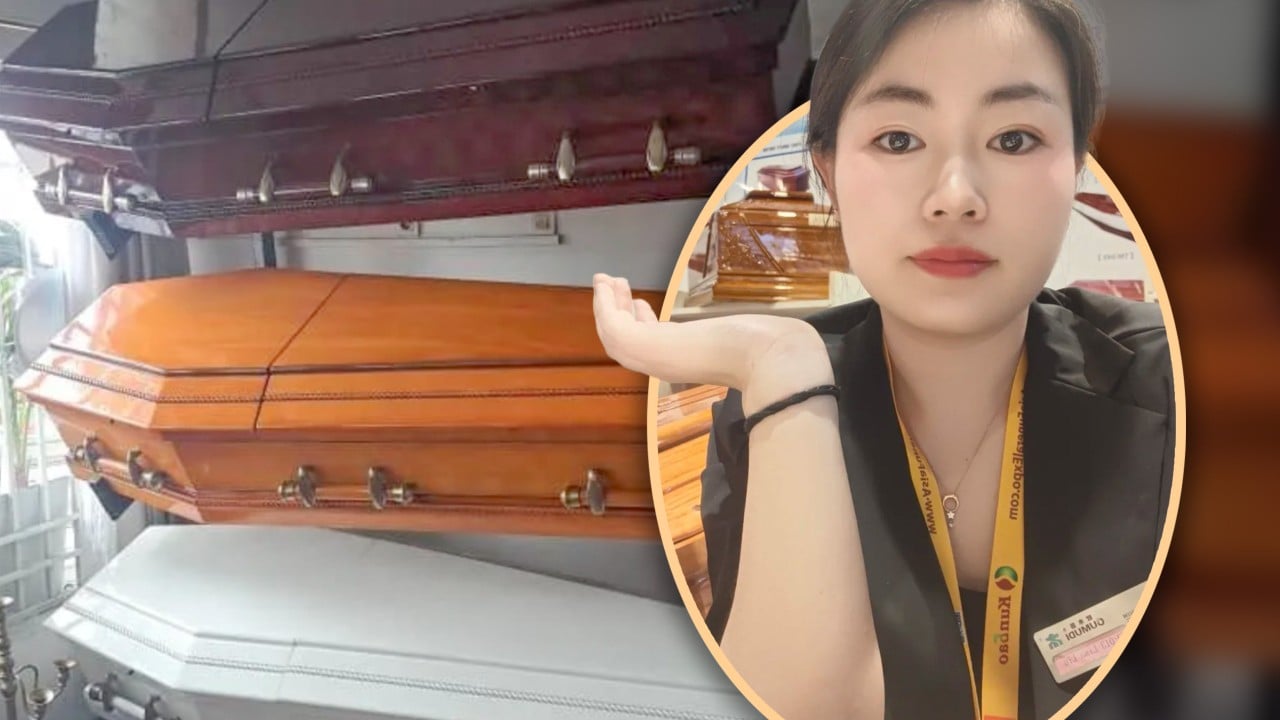
In China, death is traditionally seen as a taboo and often tied to bad luck.But in Heze, a city in eastern China’s Shandong province, this cultural barrier has given rise to a booming industry.According to Personage magazine, Lisa Liu, 29, from Heze was once a teacher. Exhausted and hoarse from the pressure of work, Liu switched careers in July 2023.Lisa Liu, above, quit the teaching profession because of the stress of the job. Photo: QQ.comAfter a chance interview, she went into coffin sales, focusing on the European market, particularly Italy.Her boss took her on a tour of the factory, where she saw the entire coffin production process, from log cutting to carving and assembly.To the workers, a coffin was just a wooden object. Some even used empty urns as storage boxes at home.This helped Liu overcome her superstitions about coffins being “inauspicious”.Unlike heavy, dark-coloured Chinese coffins, Italian ones are lighter and often feature religious carvings.
Share this story