New Scientist
Can magnesium supplements improve sleep, energy and concentration?
New Scientist · Mar 2, 2026 · Collected from RSS
Summary
Magnesium has been called the “super mineral of the moment”, hailed for its supposed benefits for the brain and body. But columnist Alice Klein finds that the evidence is lacking for many of these claims
Full Article
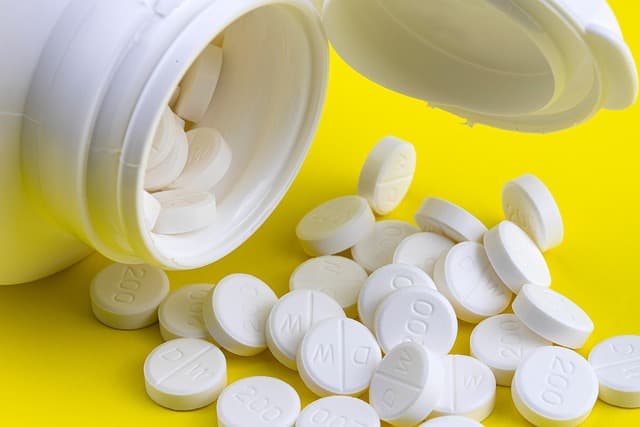
Can magnesium supplements help with sleep or energy?Maria Korneeva/Getty Images In the 1600s, wealthy people in England flocked to a well on Epsom Common that was said to contain healing water. It had a bitter taste but a strong laxative effect that provided welcome relief from their rich, meat-heavy diets. “People coming there took a few glasses of the mentioned water – which has a taste different from ordinary water – after which, walking up and down, these had in our opinion very good effect,” one happily unclogged visitor reported. This was later found to be due to the water’s high content of the mineral magnesium sulphate, also known as Epsom salt. Four hundred years later, magnesium’s therapeutic properties are being heralded once more, and it has been called the “super mineral of the moment” in the press. On social media, I am being bombarded with posts about the supposed benefits of taking magnesium supplements, including improved sleep, energy levels, mental clarity, bowel movements and heart health, as well as reduced muscle pain, anxiety, migraines and symptoms of PMS (premenstrual syndrome). Confusingly, these supplements come in many different forms. But do they actually work? There is no doubt that magnesium is vital to our health. It stabilises and assists the operation of hundreds of enzymes that catalyse key chemical processes in the body. It also provides stability to fundamental molecules like DNA and ATP (adenosine triphosphate), binds to various receptors and can move in and out of cells. This has earned it roles in a vast array of crucial processes including energy production in cells, nerve signalling, muscle contractions and heartbeat regulation. Nutritionists generally advise that we try to meet our magnesium needs by eating a mix of healthy foods rather than just relying on supplements, since these foods come with additional minerals, vitamins and other nutrients. Common sources of magnesium include nuts, seeds, leafy greens, wholegrains, legumes, meat, seafood, dark chocolate and beer (some beers are more bitter than others due to extra magnesium in the brewing water). People who get ample magnesium from their diets aren’t likely to benefit from taking a supplement because all the positions for magnesium in their body are already taken, meaning they will just wee the excess out. That said, it has become trickier to get enough magnesium from food. We are eating too much processed junk, which has minimal magnesium. Plus, over-farming has depleted magnesium from our soils, so even fresh fruit, vegetables and wholegrains don’t contain as much as they used to. As a result, research suggests that about 35 to 50 per cent of people in the UK, US and Australia aren’t eating enough magnesium. Some people are also more at risk of low magnesium because they have conditions like coeliac disease or Crohn’s disease, which reduce its intestinal absorption, or diabetes or alcohol use disorder, which increase its excretion. When I was pregnant, I had excruciating leg cramps because pregnancy reduces magnesium levels, which makes it harder for muscles to relax after contracting. Athletes often have deficiencies too, since intense, prolonged exercise increases magnesium use and also causes it to be lost via sweating. In addition, some medications, including certain immunosuppressants and chemotherapies, are known to deplete magnesium. Unfortunately, there is no simple test to find out if you have a magnesium deficiency. About 99 per cent of magnesium in the body is stored in the bones and soft tissues, meaning blood tests don’t give a clear picture of overall magnesium levels. The gold standard test involves a magnesium infusion followed by 24 hours of urine collection, which is expensive and inconvenient. If minimal magnesium is found in the urine, it points to a deficiency because the body is eagerly sucking up the magnesium from the infusion rather than weeing it out because it already has enough. Symptoms of magnesium deficiency include muscle soreness, tiredness, brain fog, irritability and sleep problems, but of course, many other things cause these too. This makes it easy for manufacturers of magnesium supplements to find customers. The many kinds of magnesium supplements Magnesium taurate is one of the four forms of the supplement that adds amino acidsStepan Popov/Alamy Magnesium supplements come in many different forms because they contain salts of magnesium, in which the positively charged magnesium must be paired with a negative ion, which can be picked from a huge range of options. When magnesium is combined with sulphate in Epsom salt, for example, it draws extra water into the intestine to soften stools and get things moving. Magnesium oxide and magnesium citrate work the same way. Other popular supplements pair magnesium with amino acids or other organic compounds that have some shaky evidence of benefits for the brain, muscles or heart. These include magnesium glycinate, L-threonate, malate and taurate. It should be noted, however, that in the case of the amino acids in these supplements, they are also easily obtainable from a healthy diet. Another option is to rub magnesium lotions or sprays onto the skin or soak in Epsom salt baths, but less magnesium is absorbed this way than when it is taken as an oral supplement. In fact, it is a matter of debate whether it penetrates the skin at all. This probably explains why rubbing a magnesium cream on my legs during pregnancy didn’t seem to do much for my cramps. It is also unclear whether the proposed muscle relief from Epsom salt baths stems from the magnesium or simply the warm water. I personally do not take magnesium supplements because I’m not convinced they offer anything more than a reasonable diet does, and I like food more than pills. However, there is some evidence that magnesium supplements can help with insomnia and mild anxiety in individuals who don’t get enough magnesium from their diets. Likewise, there is some evidence that they can reduce muscle soreness in athletes who have greater magnesium requirements. In contrast, there hasn’t been any decent research looking at their effects on energy or concentration. Nevertheless, if you do find they help with these things, and even if it’s just a placebo effect, there’s no reason to stop taking them because they are considered relatively safe. Just don’t overdo it like English lord Richard Evelyn, who died in 1670 after partaking too much in Epsom’s waters. According to his brother, diarist John Evelyn, his demise was caused by “his drinking excessively of Epsom water when in full health and that he had no need of them”. Topics:
Share this story