weeklyblitz.net
Clustered Story
At the edge of inheritance : Tarique Rahman and the burden of a fractured republic
weeklyblitz.net · Feb 21, 2026 · Collected from GDELT
Summary
Published: 20260221T234500Z
Full Article
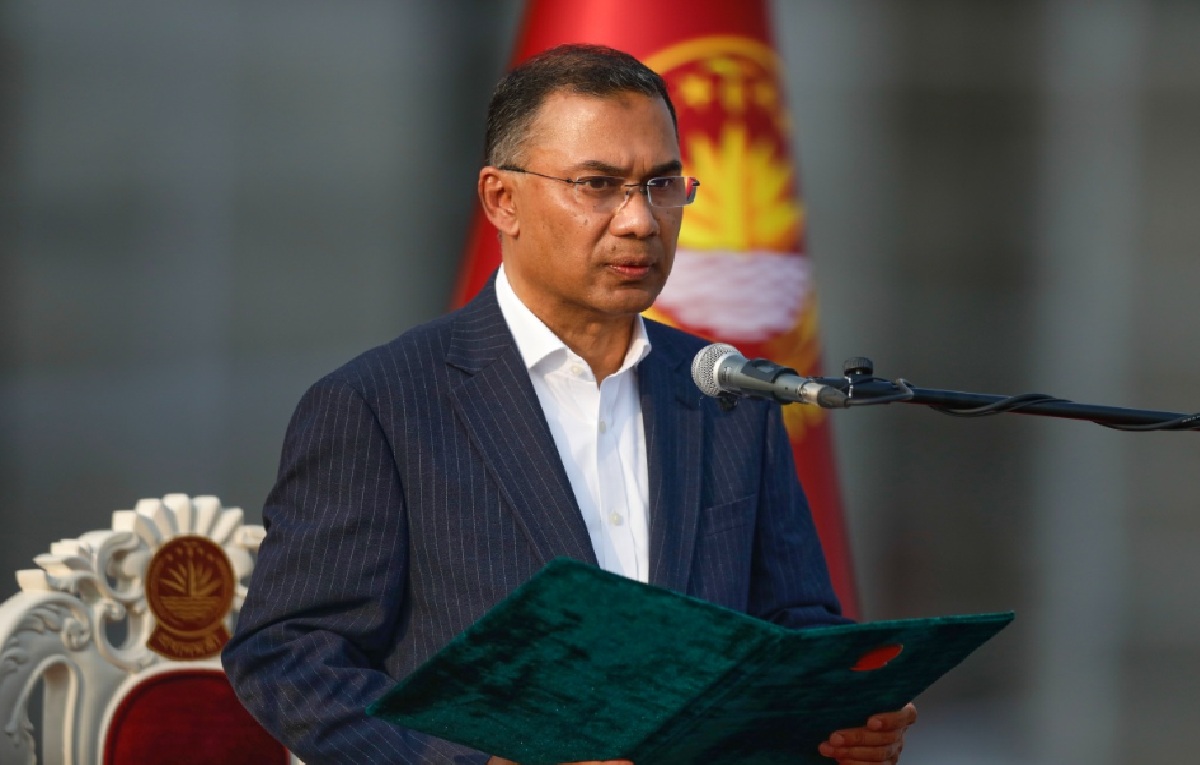
At the edge of inheritance: Tarique Rahman and the burden of a fractured republic Prime Minister Tarique Rahman assumes office at a moment unlike any other in Bangladesh’s post-independence history. The country has known turbulence before—coups, caretaker interludes, bitter electoral standoffs. But no prime minister since 1971 has taken charge amid such a convergence of economic fragility, diplomatic entanglement, and institutional erosion. Context matters. Leadership is not measured in slogans but in the weight of circumstances it inherits. The economic slide did not begin yesterday. Since 2022, Bangladesh has been grappling with a persistent slowdown. Foreign exchange reserves thinned, inflation bit into household incomes, and the once-celebrated growth narrative began to fray. These pressures were not uniquely Bangladeshi; the global economy was wrestling with post-pandemic distortions and geopolitical shocks. Yet domestic policy choices magnified the strain. Under the Yunus administration, monetary inflation turned reckless. The printing presses ran with abandon. Short-term liquidity was mistaken for long-term recovery. Inflation, that most regressive of taxes, punished the very middle and lower classes whom reformers claim to champion. History offers stern warnings about such temptations. From Latin America in the 1980s to Zimbabwe in the 2000s, excessive money creation has rarely ended in prosperity. It ends in erosion—of savings, of trust, of credibility. Bangladesh did not descend into hyperinflation, but the trajectory was alarming enough. Confidence, once lost, is hard to restore. Investors become cautious. Ordinary citizens hedge against their own currency. A government that toys with monetary discipline gambles with the nation’s future. Then came the diplomatic thunderclap. Two days before the election, the Yunus government entered into what critics have described as a lopsided agreement with Washington. It was less a partnership than a posture of deference. The optics were unmistakable: a caretaker-style administration, lacking an electoral mandate, binding the country to commitments with long-term strategic implications. One need not be anti-American to question the prudence of that move. Sovereignty is not anti-Westernism; it is self-respect. The timing raised eyebrows for another reason. An unelected or irregular government does not answer to the ballot box. Accountability, in such cases, becomes abstract. Yunus, aware that his administration’s tenure was politically fragile, had little incentive to weigh the long-term consequences of its decisions. The calculus seemed simple: secure external backing, consolidate internal leverage, and let the next government manage the fallout. That is not statesmanship. It is expediency. Recent revelations have compounded the unease. Allegations of corruption within Yunus’s advisory circle have begun to surface. Reports suggest that behind the rhetoric of reform lay a quieter ambition—to prolong authority beyond its democratic shelf life. Financial irregularities, opaque transactions, whispers of asset protection strategies—these are not the hallmarks of a disinterested technocracy. They suggest a leadership more concerned with preservation than with principle. When scrutiny intensified, elections became less a celebration of democracy than an exit strategy. This is the inheritance Tarique Rahman now confronts: a strained economy, a controversial external agreement, and a public weary of intrigue. It is, without exaggeration, a formidable test. Yet despair is neither useful nor justified. Nations have rebounded from worse. The essential question is whether the new government can translate its guiding motto—“Bangladesh First”—into policy rather than platitude. Putting ‘Bangladesh First’ requires fiscal sobriety. It means restoring confidence in the central bank’s independence, curbing inflation without suffocating growth, and signaling to markets that discipline has returned. It demands transparency about the state of public finances, even when the numbers are uncomfortable. Credibility, once rebuilt, becomes a nation’s most valuable asset. It also requires political magnanimity. A government confident in its mandate does not fear dissent; it manages it. Opposition parties must be given controlled but meaningful space to operate. Democracy is not a zero-sum game. The Awami League, tarnished though it may be in the public eye, cannot simply be erased. Rehabilitation through due legal process—rather than exclusion through vendetta—would send a powerful message that the rule of law, not partisan impulse, governs the republic. Equally urgent is vigilance against extremism. Economic distress can be a breeding ground for radical currents. A responsible administration must ensure that frustration does not metastasize into militancy. Stability is not achieved by repression alone but by opportunity—jobs, education, and a sense that the system, however imperfect, is fundamentally fair. On the international stage, prudence again becomes paramount. The United States remains a superpower, regardless of who occupies the White House. President Donald Trump’s governing style—often described as transactional, even abrasive—has unsettled allies and adversaries alike. But American politics is cyclical. Midterm elections can recalibrate congressional power; impeachment, while rare, is not inconceivable in polarized climates. Tarique Rahman would be wise to cultivate relationships across the American political spectrum, strengthening ties with Democratic lawmakers while maintaining functional engagement with the current administration. Diplomacy is not flattery; it is foresight. Some will accuse this approach of opportunism. They mistake flexibility for weakness. A small or medium-sized nation survives not by ideological rigidity but by strategic balance. Bangladesh’s interests do not align permanently with any single faction in Washington. They align with stability, trade access, and mutual respect. To secure those interests, engagement must be bipartisan and pragmatic. Domestically, accountability must not be selective. Publishing a comprehensive white paper detailing the previous government’s financial and administrative irregularities would be a start. Transparency disinfects. But exposure alone is insufficient. The due process must follow. Advisors who betrayed public trust, who misled citizens during critical moments—particularly those accused of abandoning the so-called “July fighters” in their hour of expectation—should face impartial investigation. Justice that is visible and fair strengthens democracy; justice that is vengeful weakens it. There is a risk here. If the new government hesitates—if it appears complicit or complacent—the public may conflate continuity with change. Disillusionment spreads quickly in the age of social media. Perception can harden into narrative. And narratives, once entrenched, are stubborn adversaries. Yet there is also an opportunity. Tarique Rahman has the chance to redefine leadership at a precarious hour. He can choose unity over recrimination, discipline over populism, sovereignty over subservience. I may not be a partisan of his party. That is beside the point. On the question of Bangladesh, partisanship must yield to patriotism. Differences in method are inevitable in any vibrant polity. But national interest is not negotiable. History’s verdict is seldom immediate. It waits, observes, tallies. The leaders who rise above faction, who resist the seductions of easy applause, who anchor policy in principle rather than expedience—those are the ones it remembers kindly. Bangladesh stands at a crossroads. The road ahead is steep, the terrain uncertain. But nations are not defined by the crises they inherit. They are defined by the courage with which they confront them. Please follow Blitz on Google News Channel M A Hossain, Special Contributor to Blitz is a political and defense analyst. He regularly writes for local and international newspapers.
Share this story