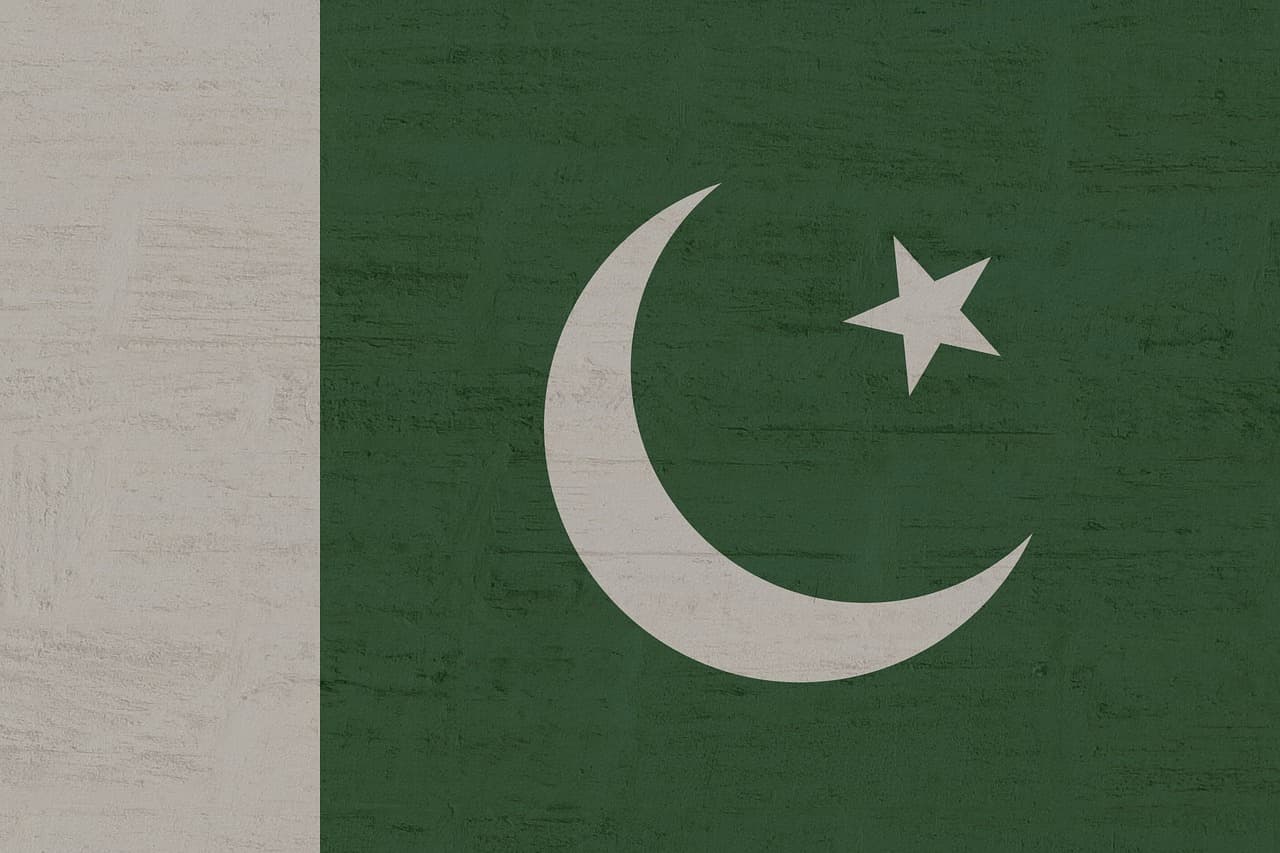
Pakistan-Iran Crisis
High Confidence
Pakistan Faces Escalating Crisis as Pro-Iran Protests Threaten US-Pakistan Relations and Regional Stability
7 predicted events · 6 source articles analyzed · Model: claude-sonnet-4-5-20250929
5 min read
The Current Situation
Pakistan finds itself at a dangerous crossroads following the assassination of Iran's Supreme Leader Ayatollah Ali Khamenei in coordinated US-Israeli airstrikes on Tehran. The killing has triggered violent protests across Pakistan, with at least 20 people dead nationwide as of March 2, 2026, according to Article 2. The most severe violence occurred in Karachi, where protesters attempted to storm the US consulate, resulting in security forces opening fire and killing at least 10 people, with 34 injured (Article 1). Additional fatalities were reported in Skardu (at least 8 deaths) and Islamabad (2 deaths), while protesters in Skardu set fire to a UN office building (Article 6). The demonstrations have been largely led by Pakistan's Shia Muslim community, which comprises more than 20 percent of the country's 250 million population (Article 2). Protesters have gathered in major cities chanting "Those who side with the US are traitors" and demanding "revenge against Israel," revealing the depth of anti-American sentiment that has been unleashed.
Key Trends and Warning Signals
Several critical patterns emerge from the current crisis that point toward further escalation: **1. Sectarian Mobilization**: The protests are predominantly organized by Pakistan's substantial Shia minority, representing 50+ million people. This creates potential for sustained, organized resistance that could persist for weeks or months. **2. State Response Dilemma**: Pakistani security forces have used lethal force against protesters (Articles 1, 3, 4), but government officials simultaneously warn that "no one will be allowed to take the law into their hands" (Article 4). This suggests Pakistan's government is caught between its strategic alliance with the United States and domestic pressure from a significant portion of its population. **3. Geographic Spread**: Violence has erupted across multiple cities—Karachi, Islamabad, Lahore, and Skardu—indicating this is not a localized disturbance but a nationwide crisis (Articles 2, 4). The attack on a UN building in Skardu suggests protesters may expand targets beyond US facilities. **4. Rising Casualties**: Death tolls have climbed from initial reports of 9 to at least 20 within 24 hours (comparing Articles 3, 5, and 2), with officials warning numbers could rise further as seriously injured protesters succumb to their wounds (Article 1).
Predictions: What Happens Next
### Immediate Term (1-2 Weeks) **Continued Protests and Violence**: The killing of at least 20 Pakistani citizens will likely fuel further demonstrations rather than suppress them. Funeral processions for the deceased protesters will become rallying points for additional mobilization. Pakistan's Shia community will likely observe traditional mourning periods that extend for days, providing ongoing opportunities for mass gatherings. Each funeral risks becoming another flashpoint for violence. **Emergency Security Measures**: Pakistan's government will likely implement stricter security protocols, potentially including curfews in major cities, expanded closure of the "Red Zone" in Islamabad (Article 4), and possibly restrictions on mobile internet services to prevent protest coordination. The government faces a precarious balance: too harsh a crackdown risks martyring protesters and inflaming the situation further, while insufficient security could lead to breaches of US diplomatic facilities. **Diplomatic Crisis Between US and Pakistan**: The United States will likely pressure Pakistan's government to provide enhanced protection for American diplomatic personnel and facilities. However, Pakistan's ability to guarantee security is now in serious question. Expect emergency consultations between US and Pakistani officials, with the US potentially reducing diplomatic staff in Pakistan or issuing warnings against travel to Pakistan. ### Medium Term (3-4 Weeks) **Pakistan's Political Calculations**: Pakistan's government will face intense pressure to condemn the US-Israeli strikes on Iran. The government's response—whether it issues strong condemnations or maintains neutrality—will shape its political future. Given the casualties among Pakistani protesters and the size of the Shia population, the government will likely issue stronger statements critical of US actions than it would prefer, straining the US-Pakistan relationship. **Regional Spillover Effects**: Pakistan's crisis may embolden pro-Iran protesters in other countries with significant Shia populations, including Iraq, Bahrain, Yemen, and Lebanon. Pakistan's example demonstrates the potential for mass casualties at US diplomatic facilities, which could inspire copycat attacks elsewhere. **Economic Consequences**: Continued unrest will deter foreign investment and tourism, particularly affecting Pakistan's already fragile economy. The violence in Skardu, a region "known for its Himalayan peaks popular with tourists" (Article 6), directly threatens a key economic sector. ### Long Term (2-3 Months) **Realignment of Pakistan's Foreign Policy**: This crisis may accelerate Pakistan's pivot away from the United States and toward closer relations with China and potentially Iran. Pakistan has historically maintained complex relationships in the region, but the deaths of its citizens while protesting US actions creates domestic political pressure for distance from Washington. **Persistent Security Threat**: Pro-Iran militant groups operating in Pakistan may be emboldened, viewing the current moment as an opportunity to strike at US or Israeli interests. Pakistan has struggled with controlling various militant organizations within its borders, and this crisis provides both motivation and popular support for attacks on Western targets. **Sectarian Tensions**: The prominent role of Shia protesters may trigger increased sectarian tensions with Pakistan's Sunni majority, particularly if Sunni militant groups view the protests as Iranian influence operations. Pakistan has a history of sectarian violence, and this crisis could reignite dormant conflicts.
Conclusion
Pakistan faces a multi-dimensional crisis that threatens its internal stability, its relationships with major powers, and regional security. The death toll among protesters creates a cycle of grievance that will be difficult to break, while the government's use of lethal force against its own citizens defending a foreign leader reveals the depth of Iran's influence in Pakistan. The coming weeks will test whether Pakistan's government can maintain order without further inflaming the situation, but the trajectory suggests escalation is more likely than de-escalation.
Share this story
Predicted Events
High
within 1 week
Additional protests and violence at US diplomatic facilities across Pakistan, with death toll exceeding 30
Funeral processions for the 20+ killed protesters will serve as rallying points for further demonstrations, and the precedent of violent confrontation has been established
High
within 1 week
US State Department issues travel warning or orders departure of non-essential diplomatic personnel from Pakistan
The breach attempts at the Karachi consulate and widespread violence demonstrate that Pakistan cannot guarantee security of US facilities and personnel
High
within 2 weeks
Pakistan government issues formal condemnation of US-Israeli strikes on Iran despite US alliance
Domestic political pressure from 50+ million Shia citizens and deaths of Pakistani protesters will force government's hand regardless of US relationship
Medium
within 1 month
Sectarian clashes between Shia and Sunni groups in Pakistan
The prominent mobilization of Shia community may trigger response from Sunni militant groups who view this as Iranian influence, given Pakistan's history of sectarian violence
Medium
within 2 weeks
Attacks on UN or other international facilities in Pakistan by protesters expanding target list
The burning of UN office in Skardu (Article 6) suggests protesters are broadening targets beyond just US facilities to include Western/international organizations
Medium
within 3 months
Pakistan moves closer to China and distances itself from US in foreign policy realignment
The crisis creates domestic political imperative for Pakistan to demonstrate independence from US, accelerating existing trend toward Chinese partnership
Medium
within 2 months
Pro-Iran militant groups conduct attacks on US or Israeli interests in Pakistan
The current environment of popular anti-US sentiment and government distraction provides opportunity for militant groups to act with potential popular support