Middle East Energy Crisis
High Confidence
Global Energy Crisis Looms as Middle East Conflict Threatens to Spiral into Economic Catastrophe
8 predicted events · 10 source articles analyzed · Model: claude-sonnet-4-5-20250929
4 min read
The Current Crisis
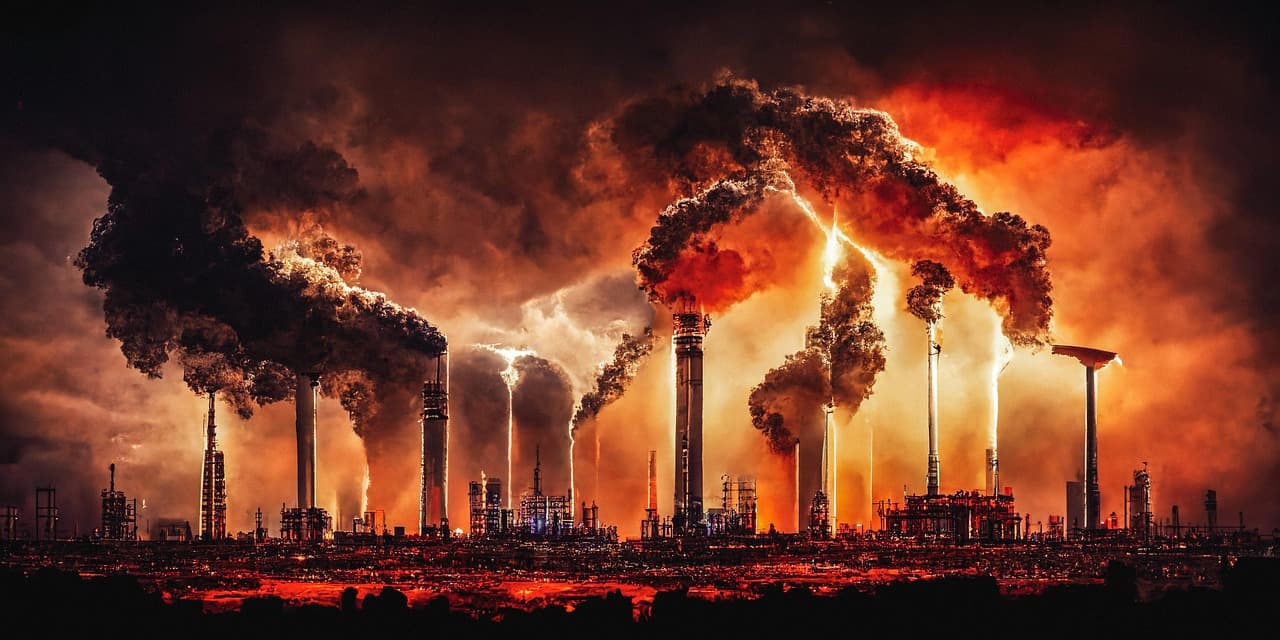
A dramatic escalation in Middle East hostilities has triggered an unprecedented disruption to global energy supplies. Iranian attacks on critical infrastructure in Qatar and Saudi Arabia have forced the shutdown of the world's largest LNG production facility and one of the planet's most important oil refineries. According to Article 3, QatarEnergy halted all liquefied natural gas production after Iranian drone strikes on facilities in Ras Laffan Industrial City and Mesaieed Industrial City, causing European gas prices to surge by nearly 50 percent. Simultaneously, Article 9 reports that Saudi Aramco's Ras Tanura refinery—one of the world's largest—has been shut down following a separate Iranian drone attack. The conflict has expanded beyond direct combatants, with Article 4 revealing that Kuwait mistakenly shot down three US F-15E Strike Eagles during the chaos, highlighting the dangerous confusion accompanying this multi-front war. With at least 555 casualties reported in Iran and the Strait of Hormuz reportedly closed (Article 7), the world faces its most severe energy security crisis since the 1970s oil shocks.
Key Trends and Signals
**Energy Infrastructure as Strategic Targets**: Iran's precise targeting of Qatar's LNG facilities and Saudi Arabia's Ras Tanura refinery demonstrates a calculated strategy to maximize economic pressure. Article 1 notes that LNG production is "the very lifeblood of the Qatari economy," making these attacks not merely military but existential threats to Gulf states' economic foundations. **Market Panic and Price Volatility**: Article 2 indicates US natural gas futures jumped 7.4% in sympathy with global markets, while Article 5 reports European gas prices surging over 50%. This represents an immediate market shock that will ripple through global supply chains within days. **Coalition Fracturing**: Article 4's report that Lebanon's government called Hezbollah's attacks "illegal" and demanded the group surrender its weapons signals potential fracturing among Iranian-backed forces. This internal dissension could reshape regional alliances. **Escalation Trajectory**: President Trump's statement that the "big wave" of US strikes hasn't come yet (Article 6) suggests the conflict will intensify before any de-escalation occurs.
Predictions: What Happens Next
### Immediate Term (1-2 Weeks) **Energy Price Shock Accelerates**: With Qatar's LNG production offline and Saudi Arabia's largest refinery shut down, expect oil prices to breach $150 per barrel and European natural gas prices to double or triple current levels. The combination of supply disruption and Strait of Hormuz closure creates a perfect storm. Industries dependent on affordable energy—particularly manufacturing, transportation, and petrochemicals—will face immediate cost pressures that translate to consumer price increases within weeks. **Emergency Strategic Reserve Releases**: Major consuming nations will coordinate releases from strategic petroleum reserves to prevent complete market collapse. The US, China, Japan, and European nations will likely announce joint action within 5-7 days, but these reserves can only provide temporary relief for 30-60 days. **Insurance and Shipping Crisis**: Lloyd's of London and major maritime insurers will declare the Persian Gulf a war zone, dramatically increasing insurance premiums or making coverage unavailable. This will strand vessels and cargo, compounding supply disruptions even if facilities restart. ### Medium Term (2-8 Weeks) **Diplomatic Intervention Intensifies**: As Article 6 notes, Germany is already evacuating 30,000 stranded tourists, and similar civilian impacts will force neutral nations to pressure combatants toward ceasefire. China, heavily dependent on Gulf energy imports, will likely lead mediation efforts alongside European powers. The economic pain will become unbearable for all parties. **Facility Damage Assessment Reveals Extended Outages**: While Article 3 states there were no human casualties at the Qatar facilities, the actual infrastructure damage will likely require 3-6 months for repairs. Modern LNG facilities contain complex cryogenic systems that cannot be quickly repaired. Saudi Arabia's Ras Tanura, with capacity to process 550,000 barrels daily, faces similar extended downtime. **Alternative Supply Routes Emerge**: Expect accelerated negotiations for Turkmenistan-Pakistan pipelines, increased US LNG exports to Europe, and emergency agreements for Russian gas despite sanctions. Norway will maximize North Sea production, and Australia will redirect Asian LNG exports to European markets. ### Long Term (2-6 Months) **Recession in Energy-Dependent Economies**: Extended high energy prices will push Europe and parts of Asia into recession. Manufacturing will contract, inflation will spike above 10% in many economies, and governments will face difficult choices between subsidizing energy costs and fiscal sustainability. **Regional Realignment**: Article 4's mention of Lebanon's government opposing Hezbollah suggests a broader trend. Gulf states may seek security guarantees beyond US protection, potentially normalizing relations with Israel in a formal defensive alliance. Iran's willingness to attack Arab energy infrastructure will fundamentally alter regional security calculations. **Accelerated Energy Transition**: Paradoxically, this crisis may accelerate renewable energy adoption as nations recognize the security vulnerability of fossil fuel dependence. Expect emergency investments in nuclear, wind, and solar capacity, though these won't address immediate shortages.
The Critical Variable
The single most important factor determining outcomes is whether Iran's attacks represent a one-time retaliation or the beginning of sustained infrastructure warfare. President Trump's statement about a coming "big wave" (Article 6) suggests further US escalation, which could trigger additional Iranian attacks on energy facilities across the Gulf. If attacks continue, we could see a complete halt to Gulf energy exports, triggering the most severe global economic crisis since World War II. The next 72 hours will reveal whether diplomatic channels can prevent this worst-case scenario or whether the world is entering an extended period of energy scarcity and economic turmoil.
Share this story
Predicted Events
High
within 1 week
Oil prices will exceed $150 per barrel and European gas prices will double
With the world's largest LNG facility and Saudi Arabia's largest refinery offline, plus Strait of Hormuz disruptions, supply shock is immediate and severe
High
within 1 week
Major economies will announce coordinated strategic petroleum reserve releases
Price spikes of this magnitude historically trigger emergency government intervention to prevent economic collapse
High
within 2 weeks
Maritime insurers will declare Persian Gulf a war zone, halting commercial shipping
Active military operations targeting infrastructure create unacceptable risk for commercial vessels and insurers
Medium
within 3 weeks
China will lead multilateral ceasefire mediation efforts
China's dependence on Gulf energy and its neutral position make it the logical mediator as economic pain becomes unbearable
Medium
within 6 months
Qatar's LNG facilities will remain offline for 3-6 months
Complex LNG infrastructure with cryogenic systems requires extensive inspection and repair even if damage appears limited
Medium
within 3 months
Europe will enter technical recession due to energy price shock
Sustained high energy prices will devastate energy-intensive manufacturing and consumer spending in already fragile European economies
Medium
within 6 months
Gulf states will form formal defensive alliance including Israel
Iran's willingness to attack Arab energy infrastructure fundamentally changes security calculations, forcing unprecedented regional cooperation
Medium
within 2 weeks
Additional Iranian attacks on Gulf energy infrastructure will occur
Trump's statement about the 'big wave' yet to come suggests further US escalation, which will likely trigger Iranian retaliation against the most vulnerable targets