aspenpublicradio.org
Clustered Story
An Islamist party becomes Bangladesh main opposition for the first time
aspenpublicradio.org · Feb 16, 2026 · Collected from GDELT
Summary
Published: 20260216T110000Z
Full Article
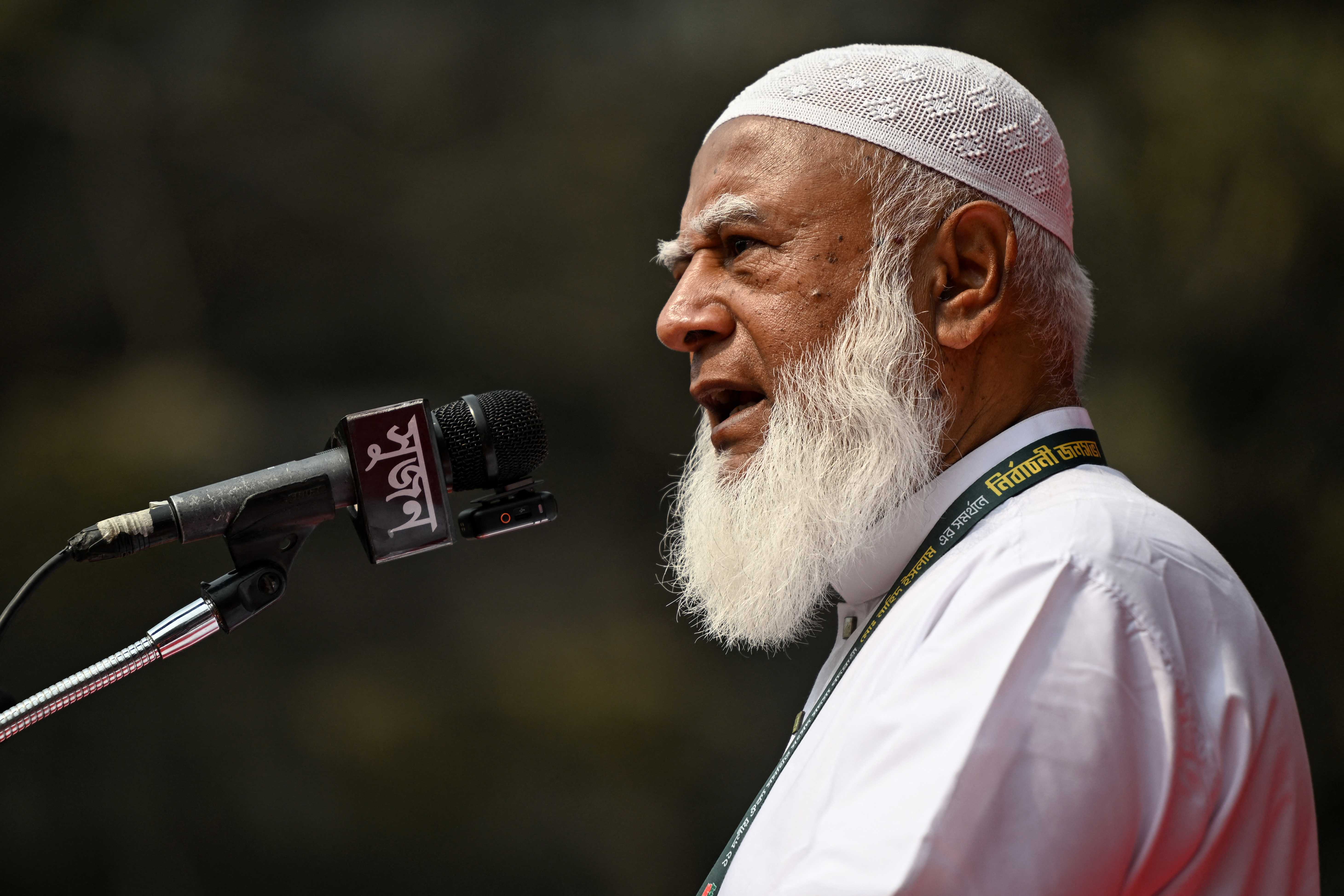
NPR | By Shamim Chowdhury Published February 16, 2026 at 2:46 AM MST DHAKA, Bangladesh – An Islamist party has become Bangladesh's main opposition for the first time in the country's history, challenging the old dynastic political system despite persistent concerns among critics about the party's policies on women. Jamaat-e-Islami's 11-party alliance won 77 of 300 seats in last week's polls, according to final results announced by the country's election commission on Sunday. Of those, Jamaat won 68, a record high. It had never before won more than 18 seats. The student-led National Citizen Party (NCP) won six and the remainder went to minor parties. The Bangladesh Nationalist Party (BNP) won a landslide 212 seats, giving it the two-thirds majority and setting Tarique Rahman, who hails from a powerful political family, on course to become prime minister. Developments in Bangladesh are being closely watched beyond its borders. It is the world's eighth-most populous country and second-largest garment exporter after China, supplying major brands to Europe and the United States - a position the BNP will be keen to protect. The country's other major party, the Awami League, was banned from taking part in the polls. Its leader, former autocratic prime minister Sheikh Hasina, fled the country after the deadly 2024 student-led uprising that toppled her government and paved the way for this vote. Anupam Nath / AP / APPeople offer Friday prayers on a road outside a mosque a day after the national parliamentary election in Dhaka, Bangladesh, Friday, Feb. 13, 2026. Jamaat-e-Islami's leader, Shafiqur Rahman, who is not related to the BNP's Tarique Rahman, initially claimed there had been irregularities during voting. He later conceded defeat and said in a statement: "We recognize the overall outcome and we respect the rule of law. We will serve as a vigilant, principled, and peaceful opposition, holding the government to account." A surprising result after decades on the periphery Jamaat's result has come as a shock to many, in part because the party opposed Bangladesh's independence in 1971 and sided with Pakistan during the war. At the time, its leaders were accused of committing widespread atrocities, including rape, torture and murder — accusations the party has consistently rejected. Some of its senior members were tried and found guilty of those crimes in a specially formed court from 2010 to 2013, when the Awami League was in power. Some were given death sentences, while others received life imprisonment. Jamaat maintains that the trials were politically motivated. The party was also banned at various times, most recently by the Awami League in 2023. The ban was lifted following the 2024 uprising, allowing Jamaat to reemerge as a major electoral contender. "Many voters are young, and they don't like to live in the past. They want to build their future. Jamaat has been saying things that seem more practical and achievable," Maimul Ahsan Khan, a retired law professor of law at Dhaka University, told NPR. However, he added, "I think Jamaat would have got even more seats if it did not have the past baggage of affinity to Pakistan and 1971." Mahmud Hossain Opu / AP / APWomen queue up to cast their vote at a polling station during Bangladesh's national parliamentary election, in Dhaka, Bangladesh, Thursday, Feb. 12, 2026. Observers say the result may mark just the first step for Jamaat in rebuilding its political influence. "With 77 seats, we have nearly quadrupled our parliamentary presence and become one of the strongest opposition blocs in modern Bangladeshi politics. That is not a setback. That is a foundation," said Shafiqur Rahman. Civil rights concerns While more than 90 percent of Bangladesh's population is Muslim, its political system ensures equal rights for minority religions. Although Jamaat has Sharia — or Islamic — law enshrined in its constitution, it has recently softened its public image, taking a more moderate tone on religion and saying it will respect Bangladesh's political system. It fielded one Hindu candidate during the election but no women, and Shafiqur Rahman has publicly said no woman can lead the party. However, Jon Danilowicz, an independent political analyst and retired former diplomat who served in Bangladesh, told NPR that violence against minority groups in Bangladesh has a long history and is often driven by factors besides ideology alone. "Often it's driven by economics and other issues," he says, and minority groups have "been equally victimized by the BNP and Awami League." Danilowicz says that in regards to the party's treatment of women, "they frame it as protection and safety and in terms of family and preserving the role of women within a family structure." Jamaat's first tests are to demonstrate that it can hold the new government accountable and to implement the July National Charter — a set of reforms to prevent a return to autocracy — which could help to reassure millions of Bangladeshis who still distrust the party. Copyright 2026 NPR
Share this story