Science News
A simple shift in schedule could make cancer immunotherapy work better
Science News · Feb 12, 2026 · Collected from RSS
Summary
A lung cancer trial bolsters a long-held idea that treatment timing matters, showing a simple shift could help immunotherapy work better and extend lives.
Full Article
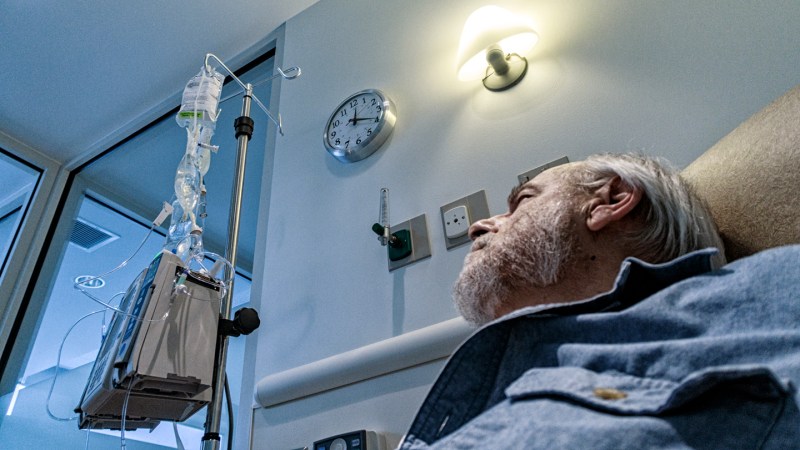
A randomized trial shows morning immunotherapy extends survival without new drugs or doses Administering cancer treatments earlier in the day affects how well they rev up the immune system to fight tumors. Willowpix/Getty Images This is a human-written story voiced by AI. Got feedback? Take our survey . (See our AI policy here .) The idea that cancer treatment might work better at certain times of day has circulated for decades but has rarely faced rigorous clinical testing. Now, a randomized trial of 210 people with advanced lung cancer affirms that timing really matters, researchers report February 2 in Nature Medicine. The study is the first controlled trial to examine whether the timing of immune therapy affects patient outcomes, offering the strongest evidence yet that circadian biology — the body’s internal clock — can shape how well cutting-edge cancer drugs mobilize the immune system against tumors. “It’s a very impressive study,” says Chi Van Dang, a cancer biologist at the Ludwig Institute for Cancer Research in New York City who was not involved in the research. “The data are very clear that time of day makes a difference.” Previous studies had hinted at similar timing effects, Van Dang notes, but those findings emerged from retrospective analyses of patient records and were vulnerable to confounding factors such as job flexibility, travel distance and patient frailty — variables that could skew who receives therapy earlier or later in the day. Randomization helps cut through those uncertainties by keeping all other aspects of care the same and varying only the timing of treatment. In the trial, clinicians randomly assigned patients with late-stage lung cancer to receive the first four cycles of their drug treatment — an immune-targeted “checkpoint inhibitor” plus more conventional chemotherapy — either in the morning to early afternoon or later in the day. Despite otherwise identical drug regimens, patients treated earlier went nearly twice as long without their tumors growing bigger or spreading — about 11 months in a typical case, compared with 6 months — and lived nearly a year longer on average, surviving roughly 28 months versus 17 months in the late-treatment group. “Just adjusting the infusion time can lead to better survival outcomes,” says Yongchang Zhang, a thoracic oncologist at Hunan Cancer Hospital in Changsha, China. Blood tests from the study offered hints as to why. Patients treated earlier in the day showed signs of a more active immune response, with higher levels of cancer-fighting T cells than those treated later. Notably, however, earlier dosing did not increase rates of immune-related side effects, suggesting that timing may boost the immune system’s attack on tumors without raising the risk of autoimmune reactions. Taken together, the results point to a simple scheduling change as a low-cost way to improve outcomes for cancer patients without altering drugs, doses or other treatment parameters. The work could also influence how future cancer drugs are tested in clinical trials, with investigators deliberately giving therapies earlier in the day to make meaningful clinical benefits easier to detect. Hospital logistics and patient scheduling could pose practical challenges to widespread adoption of morning dosing, says Michael Lowe, a surgical oncologist at Emory University’s Winship Cancer Institute in Atlanta. He is running his own study comparing morning, midday and afternoon dosing of immune-targeted drugs for advanced skin tumors. But if the benefits are confirmed in additional randomized trials — across other types of cancer, other immunotherapy drugs and in other health care settings — then, he says, it will be incumbent on cancer clinics “to make the infrastructure changes across the health care system to allow this to be standard practice.” More Stories from Science News on Health & Medicine
Share this story